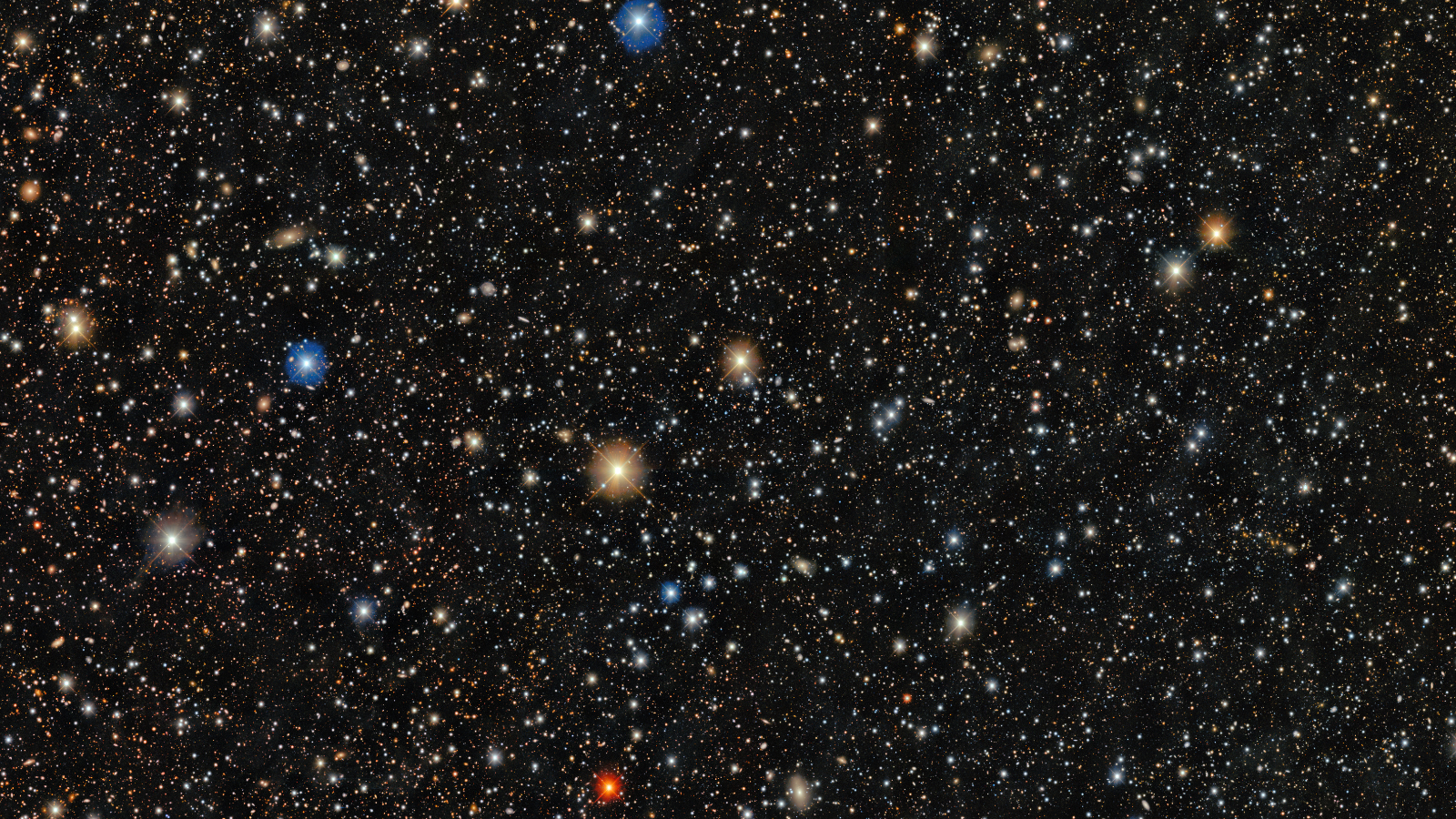
প্রাচীন মহাবিশ্বের একটি জানালা
জ্যোতির্বিদরা একটি অসাধারণ বিরল দ্বিতীয় প্রজন্মের তারকা আবিষ্কার করেছেন যা মহাবিশ্বের প্রথম তারকীয় প্রজন্মের পরে গঠিত হয়েছিল — এবং যার রাসায়নিক গঠন সেই প্রাচীন তারাগুলি মহাবিশ্বকে ভারী উপাদান দিয়ে কীভাবে সমৃদ্ধ করেছিল তার সরাসরি প্রমাণ প্রদান করে যা পরবর্তী সমস্ত রসায়ন সম্ভব করেছে। গবেষকরা এই আবিষ্কারকে বর্ণনা করেছেন যে এটি আমরা যা সম্ভব বলে ভেবেছিলাম তার প্রান্তে বসে আছে, এর বিরলতা এবং এটি সনাক্ত করার জন্য প্রয়োজনীয় নির্ভুলতা উভয়ই প্রতিফলিত করে।
তারকাটি চরম লৌহ-ঘাটতিতে রয়েছে — একটি রাসায়নিক ফিঙ্গারপ্রিন্ট যা মহাবিশ্বের সবচেয়ে প্রাচীন যুগে এর গঠনকে স্থাপন করে, যখন লোহার মতো ভারী উপাদানগুলি কোনও জমা হওয়া শুরু করেছিল মাত্র। লৌহ-ঘাটিত হল মূল নির্ণয়: লোহা প্রাথমিকভাবে তারকার অভ্যন্তরে তৈরি হয় এবং supernova বিস্ফোরণ দ্বারা বিতরণ করা হয়। এই ধরনের অনেক বিস্ফোরণের আগে গঠিত তারকাগুলি খুব কম লোহা ধারণ করে। একটি একক Population III পূর্বপুরুষ থেকে প্রক্রিয়া করা পদার্থ থেকে গঠিত তারকাগুলি প্রায় অদৃশ্যমানভাবে বিরল।
প্রথম তারাগুলি এবং তারা যা পিছনে ফেলে গেছে
মহাবিশ্বের প্রথম তারাগুলি, Population III তারা হিসাবে পরিচিত, Big Bang এর পরে প্রায় 100 থেকে 400 মিলিয়ন বছর পর থেকে হাইড্রোজেন এবং হিলিয়াম মেঘ থেকে গঠিত হয়েছিল বলে মনে করা হয় — সেই সময়ে বিদ্যমান একমাত্র উপাদানগুলি। এই তারাগুলি সম্ভবত বিশাল ছিল, তাদের জ্বালানী দ্রুত জ্বালিয়ে দিয়েছিল এবং চমৎকার supernovae-তে শেষ হয়েছিল যা চারপাশের গ্যাস জুড়ে নতুনভাবে সংশ্লেষিত উপাদান ছড়িয়ে দিয়েছিল।
সেই ছড়িয়ে পড়া পদার্থ পরবর্তী গ্যাস মেঘের মধ্যে মিশে গিয়েছিল এবং Population II তারাগুলিতে বৃদ্ধি পেয়েছিল — দ্বিতীয় প্রজন্ম — যা তাদের পূর্বপুরুষদের দ্বারা উৎপাদিত ধাতুগুলি অন্তর্ভুক্ত করেছিল। জ্যোতির্বিজ্ঞানে ধাতু হিলিয়ামের চেয়ে যেকোনো ভারী উপাদানকে বোঝায়, এবং এই ভারী উপাদানগুলির ট্রেস পরিমাণগুলিও তারকা গঠনের পদার্থবিদ্যাকে মৌলিকভাবে পরিবর্তন করে, গ্যাসকে আরও দক্ষতার সাথে ঠান্ডা করতে এবং বিভিন্ন ধরনের তারকীয় জনসংখ্যা গঠন করতে দেয়।
একটি একক Population III supernova দ্বারা সমৃদ্ধ পদার্থ থেকে গঠিত একটি তারকা খুঁজে পাওয়া জ্যোতির্বিদদের সেই নির্দিষ্ট পূর্বপুরুষের nucleosynthesis প্যাটার্ন পড়তে দেয়। এটি মহাবিশ্বের প্রথম তারাগুলি কী ছিল তার সবচেয়ে কাছাকাছি সরাসরি পরিমাপ।

এটি কীভাবে খুঁজে পাওয়া গেছে
এই আবিষ্কারটি মহাজাগতিক প্রত্নতাত্ত্বিক হিসাবে বর্ণিত গবেষকদের একটি দল দ্বারা তৈরি হয়েছিল — জ্যোতির্বিজ্ঞানীরা যারা খুবই পুরানো তারাগুলির রাসায়নিক গঠন অধ্যয়ন করেন যাতে প্রাচীন মহাবিশ্বের ইতিহাস পুনর্নির্মাণ করা যায়। এই কৌশলটি stellar archaeometry বা near-field cosmology হিসাবে পরিচিত, যা তারকীয় বায়ুমণ্ডলে ডজনখানেক উপাদানের প্রাচুর্য পরিমাপ করতে উচ্চ-বিভেদন spectroscopy ব্যবহার করে।
লৌহ-ঘাটতিযুক্ত তারকা খুঁজে পেতে ব্যাপক আকাশ সমীক্ষা অনুসরণ করে বড় টেলিস্কোপ দ্বারা ফলো-আপ spectroscopy প্রয়োজন। বেশিরভাগ পুরানো তারাগুলি তারকীয় প্রজন্মের জমায়েত ইতিহাস থেকে কমপক্ষে কিছু ধাতু সমৃদ্ধি ধারণ করে, যা সত্যিকারের লৌহ-দরিদ্র তারকাগুলিকে খড়ের ঢেরে একটি সুই খুঁজে পাওয়া করে তোলে। নতুন আবিষ্কারের জন্য লক্ষ লক্ষ তারকীয় বর্ণালী ডেটাবেস অনুসন্ধান করা প্রয়োজন ছিল যাতে সঠিক রাসায়নিক স্বাক্ষর সহ প্রার্থীরা সনাক্ত করা যায়, তারপর উচ্চ-বিভেদন spectroscopic পর্যবেক্ষণের সাথে নিশ্চিত করা যায়।
রসায়ন কী প্রকাশ করে
নতুন আবিষ্কৃত তারকায় পরিমাপ করা রাসায়নিক প্রাচুর্য এর Population III পূর্বপুরুষ সম্পর্কে একটি গল্প বলে। কার্বন, নাইট্রোজেন, অক্সিজেন, ম্যাগনেসিয়াম এবং লোহা সম্পর্কিত অন্যান্য হালকা উপাদানগুলির অনুপাত প্রথম তারকার ভর, এর supernova বিস্ফোরণের শক্তি এবং বিস্ফোরণ পণ্যের মিশ্রণ সম্পর্কে তথ্য এনকোড করে দ্বিতীয় প্রজন্মের তারকা গঠনের আগে চারপাশের গ্যাসের সাথে।
Population III supernova এর অভিজ্ঞ মডেলগুলি পূর্বপুরুষের ভর এবং বিস্ফোরণ শক্তির উপর নির্ভর করে নির্দিষ্ট প্রাচুর্য প্যাটার্ন পূর্বাভাস দেয়। পর্যবেক্ষিত প্রাচুর্যের এই সৈদ্ধান্তিক পূর্বাভাসের সাথে তুলনা করে, গবেষকরা এই নির্দিষ্ট দ্বিতীয় প্রজন্মের বেঁচে থাকা তারকাকে বীজ বপন করেছে এমন নির্দিষ্ট প্রথম তারকার সম্ভাব্য বৈশিষ্ট্যগুলি সীমাবদ্ধ করতে পারে।
ফলাফলগুলি একটি তারকা যা Population III supernova ঘটনা থেকে গঠিত হয়েছে বলে মনে করা হয় এমন তারকার ছোট কিন্তু ক্রমবর্ধমান ক্যাটালগে একটি নতুন ডেটা পয়েন্ট যোগ করে। প্রতিটি নতুন আবিষ্কার প্রথম তারকীয় প্রজন্মের ভর বিতরণ এবং বিস্ফোরণ শক্তির উপর কঠোর পরিসংখ্যান সংক্ষিপ্ত করার অনুমতি দেয় — বৈশিষ্ট্যগুলি যা সৈদ্ধান্তিকভাবে অনিশ্চিত এবং পর্যবেক্ষণগতভাবে বিরল থাকে।

মহাজাগতিকতার জন্য গুরুত্ব
Population III তারকাগুলি বোঝা ঐতিহাসিক কৌতূহলের বাইরে বিষয়ে। প্রথম তারকাগুলির বৈশিষ্ট্যগুলি মহাবিশ্বটি প্রাথমিক যুগে কীভাবে বিকশিত হয়েছিল তা গঠন করেছিল — এটি কতটি দ্রুত পুনরায় ionized হয়েছিল, ধাতুগুলি প্রথম গ্যালাক্সি জুড়ে কীভাবে বিতরণ করা হয়েছিল এবং পরবর্তী প্রজন্মের তারকা এবং গ্রহগুলি কীভাবে গঠিত হয়েছিল। এই প্রশ্নগুলি Big Bang এর পদার্থবিজ্ঞানকে এমন পরিস্থিতির সাথে সংযুক্ত করে যা অবশেষে পাথুরে গ্রহ এবং জীবনের রসায়ন সম্ভব করেছে।
পরবর্তী প্রজন্মের পর্যবেক্ষকরা, James Webb Space Telescope এর চলমান প্রোগ্রাম এবং ভবিষ্যতের অত্যন্ত বড় টেলিস্কোপ সহ, এই ক্ষেত্রটিকে আরও এগিয়ে নিতে প্রত্যাশিত — Milky Way এর halo তে আরও প্রাচীন ধাতু-দরিদ্র তারকাগুলি আবিষ্কার করে এবং সবচেয়ে দূরবর্তী গ্যালাক্সিতে Population III তারকাগুলির স্বাক্ষর সম্ভাব্যভাবে সনাক্ত করে।
এই নিবন্ধটি Space.com এর প্রতিবেদনের উপর ভিত্তি করে। মূল নিবন্ধটি পড়ুন।
Originally published on space.com