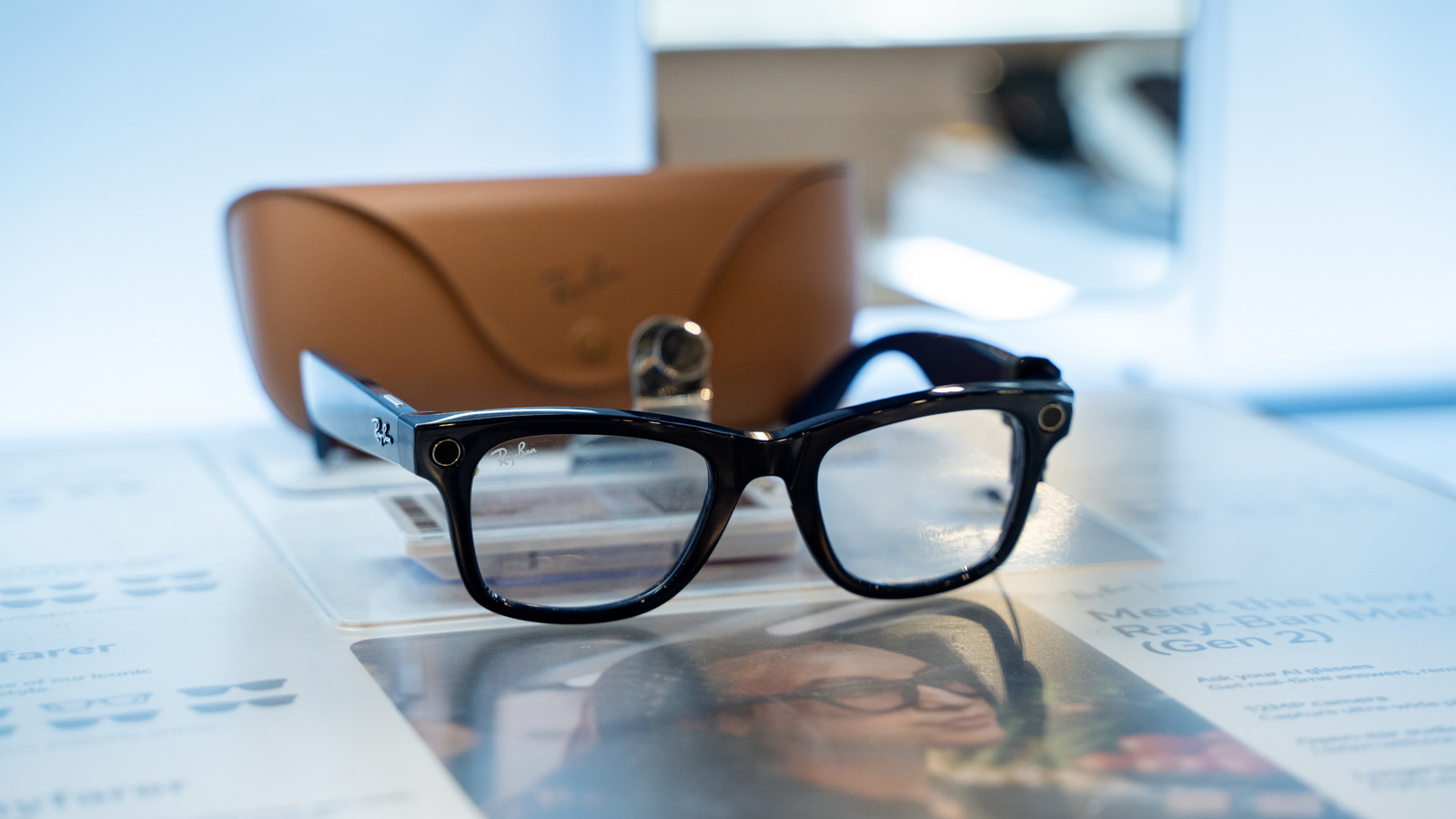
অপ্রকাশিত Meta ফিচার স্মার্ট গ্লাস বিতর্কে নতুন মাত্রা যোগ করেছে
Meta-এর AI অ্যাপের ভেতরে পাওয়া কোড কোম্পানির স্মার্ট গ্লাসের জন্য একটি অপ্রকাশিত মুখ শনাক্তকরণ ফিচারের ইঙ্গিত দিচ্ছে, যা wearables AI, বায়োমেট্রিক শনাক্তকরণ এবং ভোক্তা গোপনীয়তা নিয়ে বিতর্কে নতুন একটি স্তর যোগ করেছে। সরবরাহিত প্রতিবেদনের মতে, এই ফিচারটি এখনও বাজারে আসেনি, ব্যবহারকারীদের জন্য চালু করা হয়নি, এবং বর্তমানে Meta-এর সার্ভারে বায়োমেট্রিক ডেটাও পাঠাচ্ছে না। তবুও, কোডে এর উপস্থিতি ইঙ্গিত করে যে সবসময়-উপলব্ধ হার্ডওয়্যারে মুখ শনাক্তকরণ কীভাবে কাজ করতে পারে, তা Meta সক্রিয়ভাবে অনুসন্ধান করছে।
অ্যাপের কোডে এই ফিচারটি “NameTag” নামে চিহ্নিত করা হয়েছে। উম্মীদওয়ার (candidate) টেক্সটে সারসংক্ষেপ করা প্রতিবেদনে বলা হয়েছে, এটি Meta-এর স্মার্ট গ্লাসকে মানুষের মুখ ক্যাপচার করতে এবং পরে আগে ক্যাপচার করা কোনো মুখ শনাক্ত হলে পরিধানকারীকে জানাতে দেবে। এটি একটি নির্দিষ্ট এবং গুরুত্বপূর্ণ ব্যবহারক্ষেত্র। এটি প্যাসিভ ইমেজ বিশ্লেষণের বাইরে গিয়ে স্থায়ী সামাজিক শনাক্তকরণের দিকে যায়।
কোডটি কী দেখিয়েছে, বলা হচ্ছে
উম্মীদওয়ারের সূত্রপাঠ্য অনুযায়ী, কোডটি Wired খুঁজে পেয়েছিল এবং একজন নিরাপত্তা গবেষক সেটি পর্যালোচনা করেছিলেন। ওই গবেষকের মতে, ফিচারটির কোনো অংশই বর্তমানে চলছে না বা আজ Meta-কে বায়োমেট্রিক ডেটা পাঠাচ্ছে না। এতে কী দাবি করা যাবে তার সীমা নির্ধারিত হয়, কিন্তু আবিষ্কারের গুরুত্ব কমে না।
Meta AI অ্যাপের আগের সংস্করণগুলোতেও নাকি এই ধারণার সঙ্গে সম্পর্কিত ইন্টারফেস উপাদান ছিল, যার মধ্যে একটি “Connections” মেনুও ছিল, যা ইঙ্গিত দিত যে ব্যবহারকারীরা যাদের সঙ্গে দেখা করেছেন তাদের মনে রাখতে পারবেন। অন্যত্র উদ্ধৃত নামহীন Meta সূত্রগুলো আগে একই ধরনের টুলকে “Name Tag” নামে উল্লেখ করেছিল। সবকিছু একসঙ্গে দেখলে একটি পরিষ্কার সিদ্ধান্তে আসা যায়: এটি কোডবেসে ভুল করে ঢুকে পড়া কোনো স্ট্রিং নয়, বরং বৃহত্তর পণ্য-অনুসন্ধানের অংশ।

গ্লাসে মুখ শনাক্তকরণ কেন আলাদা
মুখ শনাক্তকরণ বছরের পর বছর ফোন, ক্যামেরা, এবং সোশ্যাল প্ল্যাটফর্মে বিতর্কিত বিষয় হয়ে আছে। স্মার্ট গ্লাস দৃষ্টিভঙ্গি বদলে দেয়, কারণ এগুলো sensing, context, এবং immediacy-কে একটি wearable ফর্ম ফ্যাক্টরে সংকুচিত করে। একটি ফোনকে সাধারণত তুলতে এবং তাক করতে হয়। গ্লাস সবসময় মুখে থাকে, ফলে ছবি তোলা আরও স্বাভাবিক এবং আশেপাশের মানুষের কাছে কম স্পষ্ট হতে পারে।
এটি গুরুত্বপূর্ণ, কারণ শনাক্তকরণ শুধু পরিধানকারীকে প্রভাবিত করে না। এটি ডিভাইসের দৃষ্টিতে থাকা প্রত্যেক ব্যক্তিকে প্রভাবিত করে। আগে দেখা কোনো ব্যক্তিকে শনাক্ত করতে সাহায্যকারী একটি টুলকে সুবিধাজনক বা সহায়ক হিসেবে উপস্থাপন করা যেতে পারে, কিন্তু এটি সম্মতি, নজরদারি, সামাজিক চাপ, এবং জনসমক্ষে অপব্যবহার নিয়ে স্পষ্ট উদ্বেগও সৃষ্টি করে।
এ পর্যন্ত Meta-এর অবস্থান
Meta কোনো পণ্য লঞ্চ নিশ্চিত করেনি। বরং, সরবরাহিত লেখায় কোম্পানির বক্তব্য অনুসন্ধানমূলক দিকটিকেই জোর দেয়। কোম্পানি বলেছে, তারা আগে এ ধরনের ফিচার নিয়ে অনুসন্ধান করেছে, কিছুই ভোক্তাদের কাছে পৌঁছায়নি, এবং কোনো চূড়ান্ত সিদ্ধান্ত হয়নি। Meta আরও বলেছে, যদি কিছু প্রকাশও করা হয়, তা হবে ভেবেচিন্তে এবং স্বচ্ছভাবে। কোম্পানি একটি বিষয় স্পষ্ট করেছে: তারা কোনো কেন্দ্রীয় মুখের ডেটাবেস তৈরি করছে না।
এই প্রতিক্রিয়া এমন একটি কোম্পানির সঙ্গে মানানসই, যে ডিপ্লয়মেন্টে প্রতিশ্রুতিবদ্ধ না হয়ে পরীক্ষা-নিরীক্ষার সুযোগ রাখতে চায়। তবে এটি দেখায় যে Meta বিষয়টির সংবেদনশীলতা বোঝে। কেন্দ্রীয় মুখ-ডেটাবেস অস্বীকার সবচেয়ে স্পষ্ট ভয়ের একটি অংশের উত্তর দেয়, যদিও অনেক সমালোচক বলবেন যে লোকাল বা বিকেন্দ্রীকৃত শনাক্তকরণ ব্যবস্থাও বড় নৈতিক প্রশ্ন তোলে।
সহায়তা আর ঝুঁকি একসঙ্গে আছে
সরবরাহিত সূত্রপাঠ্যে একটি সম্ভাব্য সহায়তামূলক সুবিধার কথা বলা হয়েছে: স্মার্ট গ্লাসে মুখ-শনাক্তকরণ টুল দৃষ্টিপ্রতিবন্ধী ব্যবহারকারীদের সাহায্য করতে পারে। এটি বাস্তব একটি যুক্তি, এবং wearable computing-এর সমর্থকেরা এটি তুলে ধরতেই থাকবেন। তবে সহায়ক মূল্য আছে বললেই বৃহত্তর নীতিগত প্রশ্ন মিটে যায় না।
সহায়তার জন্য তৈরি একটি সিস্টেম ভোক্তা-স্তরে চালু হলে ক্ষতিও করতে পারে। যে প্রযুক্তি একজনকে আশেপাশে কে আছে তা মনে রাখতে সাহায্য করে, সেটিই সামাজিক বাছাই, গোপন শনাক্তকরণ, বা কর্মক্ষেত্র, স্কুল, দোকান, এবং প্রতিবাদে শীতল প্রভাব তৈরি করতে পারে।
পরিচিত প্রযুক্তি, নতুন পর্যায়ে
Meta-এর এখানে ইতিহাস আছে। কোম্পানি আগে Facebook-এ ফটো ট্যাগিংয়ের জন্য মুখ শনাক্তকরণ ব্যবহার করেছিল, পরে গোপনীয়তা উদ্বেগের মধ্যে 2021 সালে তা বন্ধ করে। পরে scam ads শনাক্তের জন্য একটি নিরাপত্তা টুল হিসেবে Facebook ও Instagram-এ সীমিত আকারে মুখ শনাক্তকরণ আবার চালু করে। এই ইতিহাস গুরুত্বপূর্ণ, কারণ এটি দেখায় মুখ শনাক্তকরণ Meta-এর কাছে নতুন নয়। নতুন হলো এটিকে wearable, real-time প্রেক্ষাপটে আনার সম্ভাবনা।
এখনও কোনো ঘোষিত পণ্য নেই, এবং সরবরাহিত প্রতিবেদনে NameTag ভোক্তাদের জন্য কাজ করছে এমন কোনো প্রমাণও নেই। কিন্তু কোড-স্তরের প্রমাণ অনেক সময়ই এমন জায়গা, যেখানে জনসমক্ষে প্রকাশের আগে প্ল্যাটফর্ম কৌশল দৃশ্যমান হয়ে ওঠে। সেই অর্থে, এই আবিষ্কারটি Meta ইতিমধ্যে কী করেছে তার চেয়ে বেশি, আগামীতে কী স্বাভাবিক করতে পারে তা নিয়েই।
এই নিবন্ধটি Engadget-এর রিপোর্টিংয়ের ভিত্তিতে লেখা। মূল নিবন্ধটি পড়ুন.
Originally published on engadget.com