স্পেস কমান্ড ভবিষ্যৎ সংঘাতের মানচিত্র আরও বড় করছে
2040 সালের মধ্যে মহাকাশে যুদ্ধ কেমন হতে পারে, সে বিষয়ে ইউএস স্পেস কমান্ড আরও কঠোর এবং আরও বিস্তৃত দৃষ্টিভঙ্গির ইঙ্গিত দিচ্ছে। সম্প্রতি আলোচিত একটি মৌলিক মূল্যায়নে কমান্ডটি বলছে, কক্ষপথে ভবিষ্যৎ সংঘাত আজকের চেয়ে বেশি জটিল এবং বেশি বিপজ্জনক হবে, এবং সে কারণে যুক্তরাষ্ট্রের যৌথ বাহিনীকে এখনই নতুন সক্ষমতা ও অপারেটিং কনসেপ্ট নিয়ে প্রস্তুতি শুরু করতে হবে।
Space Warfighting Environment 2040 শিরোনামের এই নথিকে স্পেস কমান্ডের এক কর্মকর্তা তাদের ধরনের প্রথম কমান্ড নথি বলে বর্ণনা করেছেন। এটি ব্র্যান্ডিং অনুশীলনের চেয়ে বেশি গুরুত্বপূর্ণ এই অর্থে যে, সংস্থাটি সামরিক মহাকাশ পরিকল্পনার পরবর্তী ধাপকে কীভাবে উপস্থাপন করতে চায় তার ইঙ্গিত এটি। শুধু মহাকাশযানের ওপর সংকীর্ণ নজর না রেখে, এই মূল্যায়ন সেই পুরো ব্যবস্থার ওপর জোর দেয় যা কক্ষপথে অভিযান চালানোকে সম্ভব করে, স্থলভিত্তিক অবকাঠামো থেকে বাণিজ্যিক নেটওয়ার্ক এবং এমন উদীয়মান প্রযুক্তি পর্যন্ত যা যুদ্ধক্ষেত্রে আস্থা ও সময় নির্ধারণ বদলে দিতে পারে।
Breaking Defense জানিয়েছে, 37 পৃষ্ঠার এই নথিতে প্রস্থানরত স্পেস কমান্ড কমান্ডার জেনারেল স্টিফেন হুইটিং 27 জুলাই স্বাক্ষর করেন এবং এর উদ্দেশ্য ভবিষ্যতের মহাকাশ যুদ্ধক্ষেত্র সম্পর্কে একটি অভিন্ন বোঝাপড়া তৈরি করা। একই সঙ্গে এটি পরবর্তী কনসেপ্ট ডেভেলপমেন্ট, ফোর্স ডেভেলপমেন্ট, পরীক্ষা এবং পরিকল্পনার ভিত্তি হিসেবেও কাজ করবে।
যোদ্ধাকেন্দ্রিক কাঠামো
রিপোর্টের সবচেয়ে উল্লেখযোগ্য দিকগুলোর একটি হলো, স্পেস কমান্ড কীভাবে এই মূল্যায়নকে অন্যান্য ভবিষ্যৎ নথি থেকে আলাদা করছে। কমান্ডের Joint Forces Development and Training দলের এক কর্মকর্তা বলেন, যৌথ অভিযানের ওপর জোর দেওয়ায় এটি পূর্ববর্তী পেন্টাগন এবং স্পেস ফোর্স উদ্যোগগুলোর তুলনায় আলাদা। অর্থাৎ, কমান্ড শুধু 2040 সালে কী প্রযুক্তি থাকতে পারে তা নয়, বরং একটি সম্মিলিত সামরিক বাহিনীকে কীভাবে একটি প্রতিদ্বন্দ্বিতাপূর্ণ মহাকাশ পরিবেশে কাজ করতে হবে, সেটিও বর্ণনা করার চেষ্টা করছে।
এই কাঠামো গুরুত্বপূর্ণ, কারণ এটি দৃষ্টিকে অনুমাননির্ভর হার্ডওয়্যার থেকে সরিয়ে পরিচালনাগত দুর্বলতার দিকে নিয়ে যায়। কমান্ড মহাকাশকে এমন একটি বিচ্ছিন্ন ক্ষেত্র হিসেবে উপস্থাপন করছে না, যেখানে স্যাটেলাইটগুলো বাকি সবকিছু থেকে স্বাধীনভাবে নড়াচড়া করে। বরং এটি এমন একটি ঘনিষ্ঠভাবে আন্তঃসংযুক্ত সামরিক ব্যবস্থা বর্ণনা করছে, যেখানে ভূখণ্ডে চাপ, কক্ষপথে চাপ এবং তথ্য পরিবেশে চাপ, সবই ফলাফলকে প্রভাবিত করতে পারে।
এই মূল্যায়ন ভবিষ্যৎ পরিবেশকে সংজ্ঞায়িত করবে এমন চারটি উদীয়মান চ্যালেঞ্জ চিহ্নিত করেছে। একসঙ্গে এগুলো মহাকাশ সংঘাতের এমন একটি ছবি তুলে ধরে যা বর্তমান মডেলের তুলনায় বেশি বিস্তৃত এবং কম পূর্বানুমেয়।
চ্যালেঞ্জ এক: স্থলভিত্তিক অবকাঠামো দুর্বল স্থান
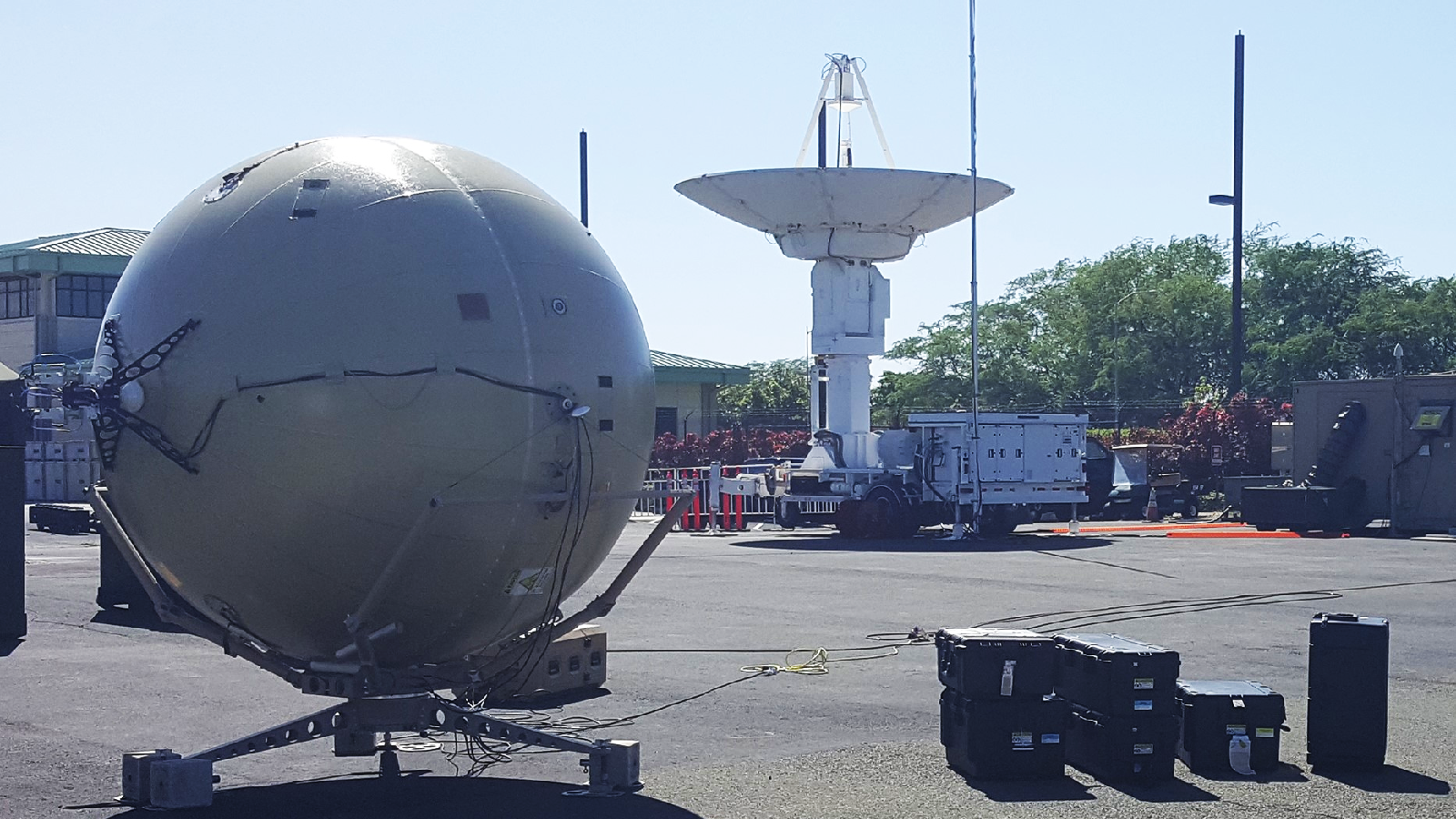
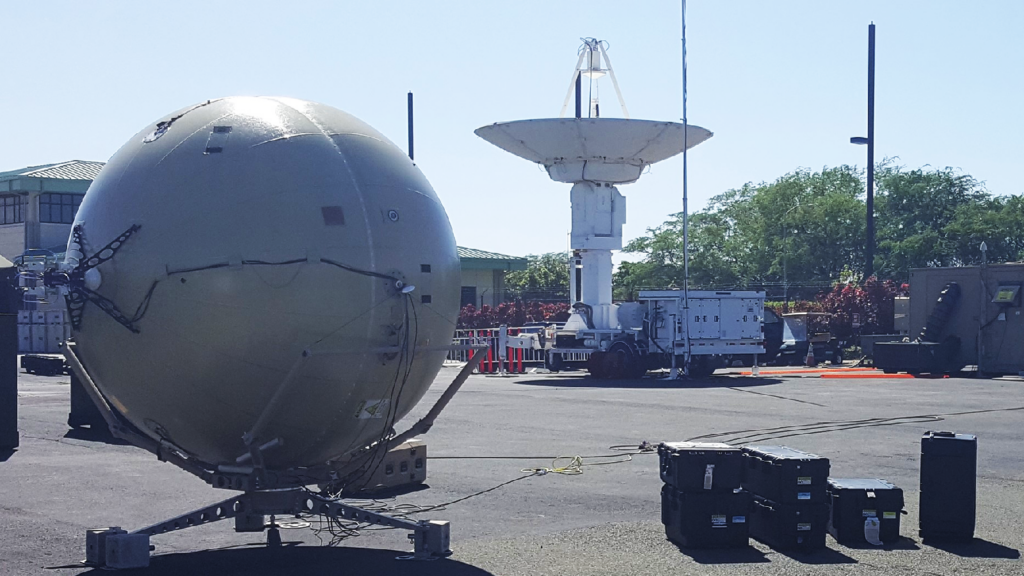
প্রথম চ্যালেঞ্জ হলো স্থায়ী ভূস্থলভিত্তিক মহাকাশ-সমর্থক অবকাঠামোর ঝুঁকিপূর্ণতা। এই বাক্যের বড় প্রভাব রয়েছে। মহাকাশ অভিযান কেবল মহাকাশযানের ওপর নির্ভর করে না। গ্রাউন্ড স্টেশন, অ্যান্টেনা, রিলে নোড, লজিস্টিকস চেইন এবং সংশ্লিষ্ট সুবিধাগুলো কমান্ড-অ্যান্ড-কন্ট্রোল কাঠামোর অপরিহার্য অংশ, যা কক্ষপথভিত্তিক সিস্টেমকে কার্যকর করে তোলে।
স্থলভিত্তিক অবকাঠামোকে ভবিষ্যতের একটি মূল দুর্বলতা হিসেবে চিহ্নিত করে স্পেস কমান্ড কার্যত সতর্ক করছে যে মহাকাশ সক্ষমতার ওপর হামলা পৃথিবীতেই শুরু হতে পারে। স্থির স্থাপনাগুলো স্যাটেলাইটের তুলনায় খুঁজে বের করা সহজ, বড় পরিসরে রক্ষা করা কঠিন হতে পারে, এবং প্রতিপক্ষের জন্য বিঘ্ন ঘটানোর আকর্ষণীয় লক্ষ্য হয়ে উঠতে পারে। এর অর্থ হলো, মহাকাশে স্থিতিস্থাপকতা ক্রমশই গতিশীলতা, পুনরাবৃত্তি এবং ভূখণ্ডে বিকল্প পথের ওপর বেশি নির্ভর করবে।
এটি অগ্রাধিকারের একটি বাস্তব পরিবর্তন। এটি ইঙ্গিত দেয় যে পরিকল্পনাকারীদের শুধু কক্ষপথে থাকা বস্তুর সুরক্ষা নয়, কক্ষপথের সঙ্গে যুক্ত স্থাপত্যের সুরক্ষার কথাও ভাবতে হবে।
চ্যালেঞ্জ দুই: বাণিজ্যিক নক্ষত্রমণ্ডল প্রতিরোধকে জটিল করছে
দ্বিতীয় চ্যালেঞ্জ হলো এমন বহুসংখ্যক দ্বৈত-ব্যবহারযোগ্য মহাকাশযানের বিস্তার, যা ক্ষতি সহ্য করতে পারে এবং আক্রমণের পর আবার গড়ে উঠতে পারে। এটি বেসামরিক ও সামরিক, উভয় উদ্দেশ্যে একসঙ্গে ব্যবহৃত হতে পারে এমন বাণিজ্যিক ও মিশ্র-ব্যবহার নক্ষত্রমণ্ডলের ক্রমবর্ধমান গুরুত্বকে প্রতিফলিত করে।
একটি বিস্তৃত স্থাপত্য কৌশলগত হিসাব বদলে দেয়। অনেকগুলো নোডের ওপর নির্ভরশীল একটি বাহিনীকে, কম কিন্তু অত্যাধুনিক কয়েকটি সিস্টেমের তুলনায়, চূড়ান্তভাবে অকার্যকর করা কঠিন হতে পারে। একই সঙ্গে, দ্বৈত-ব্যবহারযোগ্য সম্পদ উত্তেজনা বৃদ্ধিকে জটিল করে তোলে, কারণ সামরিক লক্ষ্য আর বাণিজ্যিক পরিষেবা স্তরের মধ্যে সীমানা স্পষ্টভাবে টানা কঠিন হতে পারে।
এখানে স্পেস কমান্ডের জোর ইঙ্গিত দেয় যে ভবিষ্যৎ সংঘাত এমন সিস্টেম অন্তর্ভুক্ত করতে পারে যা নকশাগতভাবে বেশি স্থিতিস্থাপক, কিন্তু রাজনৈতিক ও পরিচালনাগতভাবে আরও অস্পষ্ট। আক্রমণের পর পুনরুজ্জীবিত হতে পারে এমন নেটওয়ার্ককে দমন করা কঠিন। বিভিন্ন খাতে ভাগাভাগি করা নেটওয়ার্ককে সংকটের সময় শ্রেণিবদ্ধ করাও কঠিন।
চ্যালেঞ্জ তিন: কক্ষপথ একটি গতিশীল নেটওয়ার্কে পরিণত হচ্ছে
নথিতে চিহ্নিত তৃতীয় চ্যালেঞ্জ হলো মহাকাশে সার্ভিসিং ও কৌশলগত চলাচলের বিস্তার, যা কক্ষপথকে আরও গতিশীল নেটওয়ার্কে পরিণত করছে। এই বাক্যটি মহাকাশ অবকাঠামো কীভাবে বিবর্তিত হচ্ছে, তাতে গভীর পরিবর্তনকে ধরে। উৎক্ষেপণের পর মহাকাশযান আর তুলনামূলকভাবে স্থির থাকবে বলে ধরা হয় না। সার্ভিসিং, পুনঃঅবস্থান এবং নিকট-দূরত্বের অভিযান সবই কক্ষপথে সম্পদ কীভাবে টিকে থাকে এবং পরস্পরের সঙ্গে কীভাবে মিথস্ক্রিয়া করে তা বদলে দিতে পারে।
সামরিক পরিকল্পনাকারীদের জন্য এটি একই সঙ্গে সুযোগ ও অনিশ্চয়তা তৈরি করে। বেশি কৌশলগত চলাচল টিকে থাকার ক্ষমতা এবং মিশন নমনীয়তা বাড়াতে পারে। কিন্তু এটি দায় নির্ধারণ, উদ্দেশ্য বিশ্লেষণ এবং সতর্কবার্তার সময়সীমাকে আরও জটিল করে তুলতে পারে। আরও ভিড়পূর্ণ ও আরও চলমান কক্ষপথীয় পরিবেশে, সাধারণ অভিযান আর হুমকিস্বরূপ আচরণের মধ্যকার দূরত্ব কমে যেতে পারে।
সে কারণে স্পেস কমান্ডের উদ্বেগ কেবল নতুন সক্ষমতার অস্তিত্ব নিয়ে নয়, বরং সেই সক্ষমতাগুলো যে অপারেশনাল গতি ও অস্পষ্টতা তৈরি করে তা নিয়েও। বেশি গতিশীল কক্ষপথীয় নেটওয়ার্ককে সহজ অনুমান দিয়ে মানচিত্রে ধরা কঠিন।
চ্যালেঞ্জ চার: কোয়ান্টাম প্রযুক্তি আস্থা ও সময়কে বদলে দিতে পারে
চতুর্থ চ্যালেঞ্জ হলো কোয়ান্টাম বিকাশ, যা আস্থা, সময় নির্ধারণ এবং নিরাপদ যোগাযোগকে নতুনভাবে গড়ে তোলে। এই মূল্যায়নের চারটি বিষয়ের মধ্যে এটি সবচেয়ে বিমূর্ত হতে পারে, কিন্তু এটিকে গৌণ হিসেবে ধরা হয়নি। সামরিক অভিযানে সময় এবং আস্থা ভিত্তিমূল, বিশেষ করে যখন বাহিনীকে দীর্ঘ দূরত্বে নিখুঁত সমন্বয় এবং নিরাপদ ডেটা লিঙ্কের ওপর নির্ভর করতে হয়।
কোয়ান্টাম বিকাশকে একটি আকার-নির্ধারক উপাদান হিসেবে উল্লেখ করে স্পেস কমান্ড ইঙ্গিত দিচ্ছে যে ভবিষ্যতের সুবিধা কেবল ভৌত সম্পদ থেকেই নয়, বরং তথ্য কীভাবে সুরক্ষিত, সমন্বিত এবং যাচাই করা হয়, তাতে পরিবর্তন থেকেও আসতে পারে। নির্দিষ্ট প্রযুক্তিগত পূর্বাভাস না দিয়েও, মূল্যায়ন কোয়ান্টাম প্রযুক্তিকে ভবিষ্যৎ প্রতিযোগিতার মূল স্থাপত্যের মধ্যে স্থাপন করেছে।
এটি নিজেই একটি কৌশলগত সংকেত। এটি দেখায় যে কমান্ড ভবিষ্যৎ মহাকাশ পরিবেশকে এমন একটি ক্ষেত্র হিসেবে দেখে, যেখানে তথ্যের অখণ্ডতা এবং নিশ্চয়তা গতিশীল টিকে থাকার মতোই নির্ণায়ক হয়ে উঠতে পারে।
এই নথি এখন কেন গুরুত্বপূর্ণ
ভবিষ্যৎ নথি সহজেই বিমূর্ত অনুশীলন বলে মনে হতে পারে, কিন্তু এটি বাস্তব পরিকল্পনা-সংক্রান্ত সিদ্ধান্তকে প্রভাবিত করার জন্য তৈরি বলে মনে হচ্ছে। কমান্ড বলছে, এই মূল্যায়ন কনসেপ্ট ডেভেলপমেন্ট, ফোর্স ডেভেলপমেন্ট, পরীক্ষা এবং পরিকল্পনার ভিত্তি হবে। অর্থাৎ, এর মূল্য রয়েছে এতে যে এটি পরবর্তী ধাপে কী অনুমোদন করে: কী ধরনের অনুশীলন চালানো হবে, কোন দুর্বলতাকে অগ্রাধিকার দেওয়া হবে, এবং 2040 সময়সীমার জন্য কোন বিনিয়োগকে প্রয়োজনীয় বলে সমর্থন করা হবে।
এই পত্রটি প্রত্যাশিত তিনটি নথির মধ্যে প্রথম, যা একত্রে ভবিষ্যতের বহিঃমহাকাশ নিরাপত্তা দৃশ্যপট সম্পর্কে স্পেস কমান্ড কীভাবে ভাবে, তার আরও পূর্ণাঙ্গ ছবি দেবে। তাই এই মূল্যায়ন যেমন পরিবেশ প্রতিষ্ঠা করছে, তেমনি আরও বিস্তারিত অপারেশনাল চিন্তার ভিত্তিও গড়ে দিচ্ছে।
বৃহত্তর বার্তাটি হলো, স্পেস কমান্ড মহাকাশ সংঘাতের আলোচনা স্যাটেলাইট দ্বন্দ্বের ছবির বাইরে নিয়ে যেতে চাইছে। এর 2040 দৃষ্টিভঙ্গি বরং স্থল নেটওয়ার্ক, বাণিজ্যিক নক্ষত্রমণ্ডল, কক্ষপথগত চলাচল এবং উন্নত যোগাযোগ আস্থাকে ঘিরে একটি প্রতিদ্বন্দ্বিতাপূর্ণ ইকোসিস্টেম উপস্থাপন করছে। এতে ভবিষ্যৎ ভবিষ্যদ্বাণী করা সহজ হয় না। তবে সামরিক পরিকল্পনার সমস্যা পরিষ্কার হয়: মহাকাশে স্থিতিস্থাপকতা নির্ভর করবে সিস্টেম-চিন্তার ওপর, বিচ্ছিন্ন প্ল্যাটফর্মের ওপর নয়।
- ইউএস স্পেস কমান্ড বলছে, ভবিষ্যতের মহাকাশযুদ্ধ আজকের তুলনায় আরও জটিল এবং বিপজ্জনক হবে।
- 2040 সালের মধ্যে সংঘাতকে আকার দেওয়া চারটি প্রধান চ্যালেঞ্জ এই মূল্যায়নে তুলে ধরা হয়েছে।
- এই চ্যালেঞ্জগুলোর মধ্যে ঝুঁকিপূর্ণ স্থলভিত্তিক অবকাঠামো, দ্বৈত-ব্যবহারযোগ্য বিস্তৃত নক্ষত্রমণ্ডল, কক্ষপথে চলাচল, এবং নিরাপদ যোগাযোগে কোয়ান্টাম-চালিত পরিবর্তন অন্তর্ভুক্ত।
- এই নথির উদ্দেশ্য পরবর্তী কনসেপ্ট ডেভেলপমেন্ট, পরীক্ষা এবং ফোর্স প্ল্যানিংকে পথনির্দেশ করা।
এই নিবন্ধটি Breaking Defense-এর প্রতিবেদন অবলম্বনে। মূল নিবন্ধ পড়ুন.
Originally published on breakingdefense.com