কম ব্যবহৃত ওষুধ
শারীরিক কার্যকলাপ মানবতার জন্য উপলব্ধ সবচেয়ে ব্যাপকভাবে অধ্যয়ন করা এবং ক্রমাগত যাচাইকৃত স্বাস্থ্য হস্তক্ষেপগুলির মধ্যে একটি। এর সুবিধাগুলি প্রায় প্রতিটি প্রধান chronic disease বিভাগে বিস্তৃত — কার্ডিওভাস্কুলার রোগ, type 2 diabetes, অনেক cancers, depression, cognitive decline, musculoskeletal ব্যাধি, এবং সর্ব-কারণ mortality। এর খরচ minimal। এর side effects অত্যন্ত ইতিবাচক। তবুও এটি জনস্বাস্থ্য হস্তক্ষেপ হিসাবে নাটকীয়ভাবে কম ব্যবহৃত হয়, বৈশ্বিক physical inactivity হার অধিকাংশ অঞ্চলে stagnant বা rising।
Nature Medicine-এ প্রকাশিত একটি দৃষ্টিভঙ্গি পরামর্শ দেয় যে মূল সমস্যা প্রমাণের অভাব নয় বরং framing এবং implementation এর ব্যর্থতা। শারীরিক কার্যকলাপকে প্রাথমিকভাবে একটি ব্যক্তিগত জীবনধারা পছন্দ হিসাবে বিবেচনা করা হয়েছে — একজন ডাক্তারের সুপারিশ, gym membership, New Year's resolution — বরং population-level হস্তক্ষেপ হিসাবে যা vaccination বা smoking cessation এর মতো অন্যান্য প্রমাণিত স্বাস্থ্য হস্তক্ষেপকে দেওয়া infrastructure investment, behavioral science support, এবং policy attention এর যোগ্য।
প্রমাণের ভিত্তি
Physical inactivity এর সাথে chronic disease এর সংযোগকারী epidemiological প্রমাণ এখন এত robust যে এটি association থেকে near-certain causality এ গেছে। Prospective cohort studies যা millions of people কে decades ধরে অনুসরণ করেছে তারা ধারাবাহিকভাবে খুঁজে পায় যে যারা physical activity guidelines পূরণ করে — মোটামুটি 150 মিনিট moderate-intensity activity সাপ্তাহিক, বা সমতুল্য — cardiovascular disease, type 2 diabetes, এবং all-cause mortality এর dramatically lower rates অভিজ্ঞতা করে inactive peers এর তুলনায়।
The dose-response relationship well-characterized: sedentary baseline থেকে activity তে এমনকি ছোট বৃদ্ধিও substantial health gains উৎপাদন করে, এবং কোন upper threshold নেই যার নিচে increasing activity কোন additional benefit প্রদান করে না। মানসিক স্বাস্থ্য ফলাফলের জন্য প্রমাণ বিশেষভাবে শক্তিশালী, regular physical activity demonstrating efficacy comparable to antidepressant medication mild to moderate depression এর জন্য several clinical trials এ — zero pharmacological cost এ এবং uniquely positive side effects সহ।

কেন বৈশ্বিক অনিষ্ক্রিয়তা সংকট বজায় থাকে
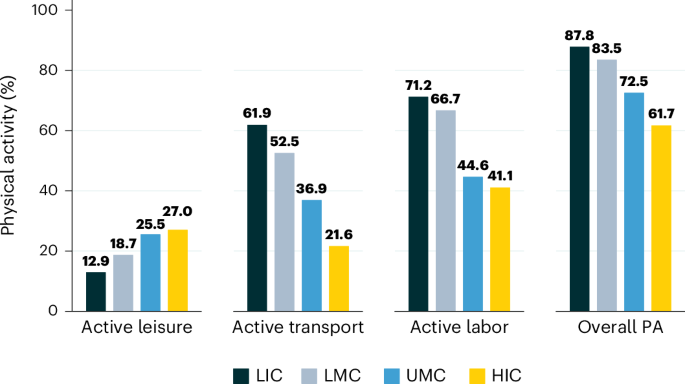
এই প্রমাণ সত্ত্বেও, বৈশ্বিক প্রাপ্তবয়স্ক জনসংখ্যার roughly a quarter physical activity guidelines পূরণ করতে ব্যর্থ, এবং এই পরিসংখ্যান অনেক urban populations এবং lower-income groups এ considerably higher। Inactivity এর drivers structural যতটা behavioral: built environments designed around automobile travel যা কোন safe walking বা cycling infrastructure প্রদান করে না, work patterns যা increasingly sedentary, screen-based leisure যা discretionary time এর জন্য কার্যকরভাবে প্রতিযোগিতা করে, এবং economic pressures যা movement এর জন্য limited opportunity রেখে যায়।
এই structural drivers individual-level interventions যেমন exercise prescriptions বা health apps এর জন্য amenable নয়। তাদের জন্য urban planning codes এ changes, transportation investment, school physical education programs, এবং workplace design প্রয়োজন — এমন changes যা policy action এবং sustained institutional commitment প্রয়োজন বরং individual behavior change নয়।
স্বাস্থ্য ব্যবস্থা এবং শারীরিক কার্যকলাপ
Nature Medicine দৃষ্টিভঙ্গি যুক্তি দেয় যে স্বাস্থ্য ব্যবস্থাগুলিকে physical activity support কে clinical care তে একীভূত করার প্রয়োজন এমন উপায়ে যা brief counseling এর বাইরে যায়। এর মানে clinicians কে প্রশিক্ষণ দেওয়া যাতে তারা physical activity কে vital sign হিসাবে assess এবং address করে blood pressure এবং weight এর পাশাপাশি, exercise referral pathways develop করা যা patients কে community-based programs এর সাথে সংযুক্ত করে, এবং exercise-based interventions কে pharmaceutical treatments এর সমান credibility এর সাথে reimburse করা।
কিছু স্বাস্থ্য ব্যবস্থা এই দিকে অগ্রগতি করেছে। UK's National Health Service social prescribing frameworks develop করেছে যা general practitioners কে patients কে community activities তে refer করতে দেয়, including exercise programs, তাদের care plans এর অংশ হিসাবে। Several Nordic countries exercise-on-prescription programs develop করেছে with demonstrated effectiveness in increasing activity levels among sedentary patients। এই models feasibility demonstrate করে কিন্তু global health system design এ exceptions rather than norms থাকে।

অর্থনৈতিক যুক্তি
Physical inactivity স্বাস্থ্য ব্যবস্থাগুলিতে enormous economic costs impose করে। Chronic diseases যা inactivity এর সাথে যুক্ত healthcare expenditure এর a disproportionate share account করে high-income countries এ — cardiovascular disease একা U.S. healthcare system কে hundreds of billions of dollars annually costs করে, এর অনেকটাই preventable inactivity এর জন্য attributable। Infrastructure এবং programs এ investing যা physical activity কে support করে, healthcare cost spectrum জুড়ে returns generate করে যা initial investment কে dwarf করে।
জনস্বাস্থ্য সম্প্রদায় decades ধরে এই argument দিয়েছে with limited success translating it into budget decisions এ। Nature Medicine দৃষ্টিভঙ্গি suggest করে যে কী প্রয়োজন হতে পারে তা একটি different argument নয় বরং একটি different messenger — যে economic case physical activity investment এর জন্য needs to be made by health system finance officers, insurance actuaries, এবং macroeconomists যাদের credibility on cost questions higher policy arenas এ যেখানে budget decisions made হয়।
This article is based on reporting by Nature Medicine. Read the original article.
Originally published on nature.com


