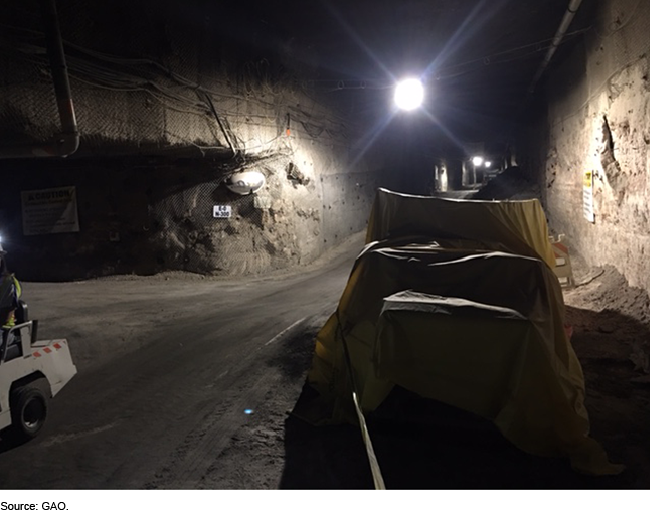
محاولة جديدة لمشكلة نووية قديمة
تحاول وزارة الطاقة الأمريكية إعادة فتح أحد أقدم الجمودات في قطاع الطاقة بالبلاد: ماذا تفعل بالوقود النووي المستهلك. وبدلًا من التعامل مع المسألة بوصفها مجرد التزام بالتخلص من النفايات، تطرح الوزارة الآن نموذج تنمية أوسع تسميه “حُرُم الابتكار في دورة الحياة النووية”. ويدعو هذا المفهوم الولايات إلى استضافة منشآت يمكنها استقبال الوقود النووي المستعمل، وربما دعم أنشطة مرتبطة بذلك مثل الصناعة المتقدمة وتوليد الكهرباء ومراكز البيانات وفرص العمل طويلة الأجل.
تكمن أهمية هذا النهج في أن الولايات المتحدة راكمت ما يُقدَّر بنحو 95 ألف طن متري من الوقود النووي المستهلك، فيما تعثرت محاولات متكررة لوضع حل وطني دائم. وقد حالت مقاومة الولايات والمجتمعات المحلية مرارًا دون إحراز تقدم، ما أبقى المواقع النووية المتقاعدة العاملة مضطرة للاحتفاظ بالوقود في الموقع حتى بعد توقف المفاعلات عن إنتاج الكهرباء بوقت طويل. وهذه المخزونات غير المحسومة باتت الآن خلفيةً لدفعة وطنية متجددة لتوسيع توليد الطاقة النووية.
وبحسب تقرير Utility Dive، يرى مسؤولون اتحاديون ومخططون في شركات المرافق وموردو التكنولوجيا النووية والمحللون أن قضية النفايات قد تصبح قيدًا على توسيع أوسع للطاقة النووية. كما أن طموح إدارة ترامب المعلن بإضافة نحو 300 جيجاواط من القدرة النووية خلال العقدين المقبلين يجعل الجزء الأخير من دورة الوقود أصعب في التعامل معه كأنه مشكلة منفصلة. وإذا كان من المتوقع أن يؤدي المفاعلات الجديدة دورًا أكبر في مزيج الكهرباء، فإن البلاد تحتاج أيضًا إلى إجابة أكثر مصداقية بشأن كيفية التعامل مع المواد التي تخلّفها.
لماذا قد يلقى الطرح الجديد صدى مختلفًا
يبدو أن الاستراتيجية الحالية للوزارة مصممة لتغيير النقاش السياسي. فبدلًا من مطالبة المجتمعات بقبول النفايات النووية مقابل القليل أكثر من الضمانات الفيدرالية، تعرض DOE الفكرة بوصفها جزءًا من حزمة اقتصادية أكبر. وفي زمن يتصاعد فيه الطلب على الكهرباء ويعود فيه الاهتمام بالتوليد الثابت غير الأحفوري، قد يلقى هذا التأطير استجابة مختلفة عن المحاولات السابقة التي ارتبطت أساسًا بتوزيع الأعباء والجدل.
وقد استجابت بعض الولايات بالفعل بإيجابية، ما يشير إلى أن الفكرة فتحت أبوابًا كانت مغلقة سابقًا. والمنطق واضح: قد ترى الولاية المضيفة ليس مجرد تحدٍ للتخزين، بل أيضًا فرصة لجذب استثمارات رأسمالية ووظائف متخصصة ومنشآت صناعية وتنمية كثيفة الاستهلاك للطاقة. ومن هذا المنطلق، تتماشى المقترحات مع تحول أوسع في سياسة الطاقة الأمريكية، حيث تُقيَّم مشاريع البنية التحتية بشكل متزايد من زاويتي الاعتمادية والتنمية الاقتصادية الإقليمية معًا.
وتوجد أيضًا حجة تقنية خلف الحجة السياسية. فإعادة تدوير الوقود النووي وإعادة استخدامه، وهو نهج ارتبط طويلًا بفرنسا، يُنظر إليه من قبل كثيرين في قطاع الطاقة النووية الأمريكي على أنه جزء من أي إحياء جاد. وإذا أمكن التعامل مع الوقود المستهلك باعتباره مادة أولية لعمليات صناعية مستقبلية لا مجرد نفايات عالقة، فإن الاقتصاد والسرد العام المحيط بدورة الوقود بأكملها سيبدآن في التغير.
العقبات لم تختفِ
لكن ذلك لا يعني أن الأجزاء الصعبة قد حُلَّت. وتشير Utility Dive إلى أن كثيرًا من العوائق المالية والسياسية والعملية نفسها التي أفشلت الجهود السابقة لا تزال قائمة. وقد يساعد اسم جديد وحزمة تطوير أكثر اتساعًا على تحسين المناخ السياسي، لكنهما لا يزيلان الحاجة إلى تمويل مستدام والتزامات اتحادية طويلة الأمد ونموذج تنفيذ قابل للاستمرار يمكنه الصمود أمام تغير الإدارات وظروف السوق.
وتظهر التحديات بوضوح لدى شركات المرافق التي أغلقت المفاعلات بالفعل لكنها لا تزال غير قادرة على المضي قدمًا بالكامل. فشركة Southern California Edison، المالكة لمحطة سان أونوفر النووية المتقاعدة، تدعم النهج التعاوني الذي تقترحه DOE، وفقًا للتقرير. لكن دعم المرافق المتأثرة لا ينفصل عن الإحباط: فلا يمكن إكمال التفكيك ما دام الوقود المستهلك لم يُنقل خارج الموقع. وفي هذه الأثناء، تواصل شركة Edison دفع الإيجار للبحرية، المالكة للأرض، بينما تنتظر من الحكومة الفيدرالية أن تفي بما تراه الشركة التزامها القانوني والتعاقدي بالتخلص من الوقود.
ويُظهر هذا المثال لماذا تتجاوز القضية كونها مجرد خلاف وطني مجرد. فالتأخير في قرارات النفايات يفرض تكاليف حقيقية، ويؤخر إعادة استخدام المواقع، ويعقّد اقتصاديات التفكيك. كما أنه يؤثر في نظرة الجمهور إلى الطاقة النووية نفسها. فبلد لا يستطيع إدارة الوقود الموروث بصورة مقنعة سيجد صعوبة أكبر في إقناع المجتمعات بأن توسيعًا نوويًا كبيرًا وجديدًا أمر عملي.
ماذا يعني ذلك لتوسع الطاقة النووية الأوسع
من الأفضل فهم مقترح DOE بوصفه محاولة لربط مشكلة النفايات بالمرحلة التالية من تخطيط الطاقة في الولايات المتحدة. فقد ارتفع الاهتمام بالطاقة النووية جنبًا إلى جنب مع المخاوف بشأن موثوقية الشبكة، وإزالة الكربون، والاحتياجات الكهربائية للأحمال الصناعية والرقمية الجديدة. لكن التوسع بهذا الحجم لا يعتمد فقط على تكنولوجيا المفاعلات والتمويل، بل يعتمد أيضًا على قدرة صانعي السياسات على إظهار أن أكثر التزامات القطاع حساسية سياسيًا تُدار بطريقة موثوقة.
ولهذا السبب، فإن صيغة “حرم الابتكار” مهمة حتى قبل اختيار أي مشروع محدد. فهي تشير إلى تحول من البحث الضيق عن التخلص إلى استراتيجية أوسع للنظام البيئي. وإذا نجحت، فقد تخلق ائتلافًا أكثر صلابة سياسيًا حول إدارة الوقود المستهلك من خلال ربطها بالوظائف والبنية التحتية والقيمة الصناعية المستقبلية.
ومع ذلك، يدعو التاريخ إلى الحذر. فالولايات المتحدة أمضت عقودًا في الفشل بإغلاق هذه الحلقة. والاستجابات الإيجابية من الولايات ملحوظة، لكنها مجرد مؤشر مبكر لا حلًا نهائيًا. وسيكون الاختبار الحقيقي هو ما إذا كانت DOE قادرة على تحويل الاهتمام إلى اتفاقات مدعومة بوضوح التمويل والوضوح التنظيمي وبما يكفي من الثقة العامة لإبقاء المشاريع متقدمة عندما تصبح التفاصيل ملموسة.
لماذا يجب متابعته الآن
- بلغ مخزون الوقود المستهلك في البلاد ما يُقدَّر بنحو 95 ألف طن متري.
- لا تزال المرافق التي أغلقت محطاتها تتحمل تكاليف مستمرة عندما يبقى الوقود في الموقع.
- إن طموحات الحكومة الفيدرالية لنمو نووي واسع النطاق تجعل سياسة النفايات أكثر إلحاحًا، لا أقل.
- يحاول نموذج الحرم الجديد دمج إدارة النفايات مع التنمية الصناعية وتخطيط نظام الطاقة.
حتى الآن، لم تحل DOE مشكلة النفايات النووية. لكنها اختبرت ما إذا كانت حزمة سياسية واقتصادية مختلفة قادرة على كسر الجمود الذي عجزت عنه الاستراتيجيات السابقة. وفي بيئة الطاقة الحالية، يجعل ذلك هذا الجهد ذا أثر كبير بحد ذاته.
تعتمد هذه المقالة على تقرير من Utility Dive. اقرأ المقال الأصلي.
Originally published on utilitydive.com




