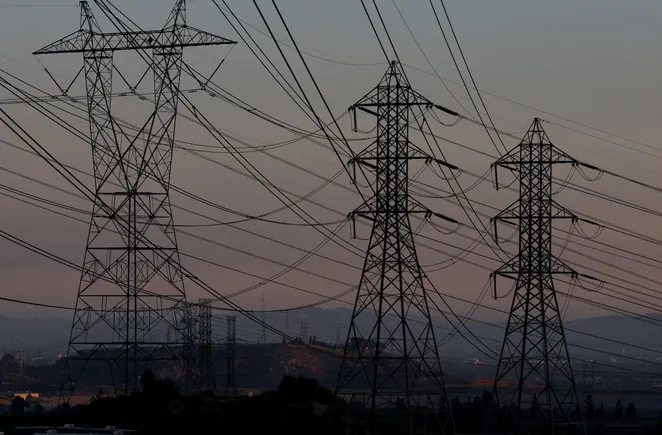
الإطلاق الهادئ هو المقصود
بدأت سوق اليوم التالي الموسّعة، أو EDAM، التابعة لمشغّل منظومة كاليفورنيا المستقلة العمل في 1 مايو ببصمة محدودة واختبار أول بسيط: أن تعمل كما صُممت. وفي أيامها الأولى، تقول CAISO إن الإجابة كانت نعم. فقد بقيت الأسعار ضمن النطاقات المتوقعة عبر جميع منتجات السوق، وظلت أحجام التحويل مستقرة، وتصرف النظام بدرجة من الاتساق دفعت المشغلين إلى وصف النتائج بأنها متكررة على نحو مطمئن.
قد يبدو ذلك غير مثير، لكن بالنسبة إلى سوق كهرباء إقليمية جديدة، فإن غياب المفاجآت غالبًا هو أفضل نتيجة ممكنة. صُممت EDAM لتنسيق تجارة الطاقة لليوم التالي عبر نطاق غربي أوسع، بما يساعد على أن تخدم الإمدادات الأقل تكلفة المتاحة الطلب عبر عدة مناطق موازنة. وإذا نجحت، فيمكن أن تحسن الكفاءة، وتزيد المرونة الإقليمية، وتخفف بعض الاحتكاك الناتج عن تخطيط وتشغيل الموارد داخل جيوب أكثر عزلة.
أُطلقت السوق مع PacifiCorp بوصفها المشاركة الوحيدة. ومن المتوقع أن تنضم Portland General Electric في أكتوبر، ما يجعل هذه المرحلة الأولى ضيقة من حيث النطاق لكنها مهمة بوصفها دليلاً على الإمكان. والرسالة المبكرة من CAISO هي أن الاقتصاديات الأساسية والفيزياء التشغيلية للنظام تتصرف كما كان متوقعًا.
ما الذي تشير إليه البيانات الأولى
وفقًا لـ CAISO، استمرت الأسعار عبر جميع السلع في البقاء ضمن النطاقات المتوقعة طوال اليوم. وتساعد الظروف الموسمية في تفسير جزء من هذا النمط: فالطلب المعتدل والتوليد المتجدد القوي يميلان إلى دفع الأسعار إلى الانخفاض خلال ساعات الظهيرة ورفعها مع اقتراب النظام من ذروة المساء. وهذه البنية اليومية مألوفة في الغرب، خصوصًا في الأنظمة التي تضم قدرًا كبيرًا من الطاقة الشمسية.
لكن الملاحظة الأساسية ليست فقط أن الأسعار تحركت، بل إنها تحركت بطرق تتسق مع تصميم السوق. وقد قدّم فريق التواصل في CAISO ذلك بوصفه دليلًا على أن البصمة الموسعة تتيح تنوعًا اقتصاديًا أوسع، وتسمح لخيارات الإمداد الأقل تكلفة بتلبية الطلب على مساحة أوسع.
وتشير تحليلات السوق من أطراف ثالثة، كما وردت في التقرير الأصلي، إلى الاتجاه نفسه مع إبراز المواضع التي تظل فيها القيود واضحة. وقالت Noreva إنه في يوم الإطلاق، أظهرت أسعار اليوم التالي في مراكز PacifiCorp منحنى بطة خفيفًا كان أكثر هدوءًا بكثير مما كان عليه في مراكز CAISO. وفي وقت ما من المساء، تقاربت مراكز التسعير في كاليفورنيا وPacifiCorp إلى داخل 0.25 دولار لكل ميغاواط-ساعة قبل أن تنفصل مجددًا بعد ساعة، عندما ارتفعت مراكز CAISO إلى ما فوق 30 دولارًا لكل ميغاواط-ساعة بينما هبطت PacifiCorp إلى 23 دولارًا.
هذا المزيج لافت. فالتقارب السعري يشير إلى أن التحسين المشترك يعمل عبر المنطقة الأوسع. أما التباعد اللاحق فيشير إلى أن حدود النقل وقيود مزيج التوليد لا تزال مهمة، ولا سيما أثناء صعود المساء حين يتغير الحمل الصافي بسرعة. وبعبارة أخرى، يبدو أن EDAM يحسن التنسيق من دون أن يمحو الحقائق الفيزيائية للشبكة.

كفاية الموارد والتحويلات لا تقل أهمية عن السعر
لا تُحكم أسواق مثل EDAM بالأسعار العنوانية فقط. فآليات الموثوقية لا تقل أهمية. وقالت CAISO إن جميع مناطق EDAM اجتازت يوم الاثنين 100% من تقييم كفاية موارد السوق. كما ارتفعت التحويلات الإقليمية للطاقة إلى 600 ميغاواط.
هذه الأرقام مهمة لأن التنسيق لليوم التالي لا تكون له قيمة إلا إذا استطاعت المناطق المشاركة إثبات توفر موارد كافية ونقل الطاقة فعليًا إلى حيث تكون مطلوبة. قد يبدو السوق كفؤًا على الورق مع فشله في تقديم نتائج تشغيلية موثوقة. لذا فإن الأداء الكامل المبكر في فحص كفاية الموارد يعد إشارة ذات معنى، حتى لو جاء من قاعدة مشاركين ما تزال محدودة.
كما توحي أرقام التحويلات بالقيمة العملية لبصمة أوسع. ففي منطقة تختلف فيها الأحوال الجوية، وإنتاج الطاقة المتجددة، وأنماط الطلب بحسب الجغرافيا، يمكن للقدرة على تبادل الطاقة بين الأنظمة أن تقلل من أوجه عدم الكفاءة وتخفف الحاجة إلى أن تحل كل منطقة كل اختلال داخليًا. وهذا لا يلغي الحاجة إلى البنية التحتية المحلية أو القدرة المرنة، لكنه قد يحسن طريقة استخدام الموارد القائمة.
من المرجح أن تصبح البطاريات عنصرًا محوريًا
أشار رئيس CAISO والرئيس التنفيذي إيوت مينيزر أيضًا إلى أن تخزين البطاريات سيكون لاعبًا مهمًا في مستقبل EDAM. وهذا يتسق مع الاتجاه الذي تتطور فيه أنظمة الطاقة في الغرب. فمع دفع مزيد من التوليد الشمسي فائض الطاقة إلى ساعات الظهيرة ونقصها إلى صعود المساء، تصبح البطاريات ذات قيمة متزايدة كأداة موازنة زمنية ومكانية.
وقد يعزز EDAM هذا الدور. فالسوق المنسّق بشكل أفضل لليوم التالي يمنح موارد التخزين فرصًا أكثر للاستجابة لإشارات الأسعار الإقليمية، لا المحلية فقط. ومن حيث المبدأ، ينبغي أن يساعد ذلك البطاريات على اقتناص القيمة حيث يكون التوقيت والجغرافيا الأكثر أهمية. كما يعني أن البيانات التشغيلية من هذه الأيام الأولى قد تصبح أكثر إثارة للاهتمام مع انضمام مزيد من المشاركين والموارد المرنة.
لكن في الوقت الراهن، يبقى الاستنتاج الرئيسي متحفظًا: فقد بدأ السوق من دون عدم استقرار واضح، وأنماطه المبكرة تتسق إلى حد كبير مع الحجة التي قدمها المؤيدون للتنسيق الإقليمي الأوسع.
لماذا يهم هذا الإطلاق خارج كاليفورنيا
تشكّلت حوكمة الكهرباء في الغرب طويلًا بفعل التجزئة. فشركات المرافق وهيئات الموازنة تدير مزيجًا مختلفًا من الكهرومائية والحرارية والمتجددة وقيود النقل. ويقدم سوق اليوم التالي الذي يمتد عبر نطاق أوسع مسارًا عمليًا نحو تشغيل أكثر تنسيقًا من دون الحاجة إلى دمج مؤسسي كامل.
وهذا يجعل EDAM أكثر من مجرد محطة فنية في السوق. إنه أيضًا تجربة في السياسة والحوكمة حول كيفية تمكن الغرب من مشاركة الموارد بكفاءة أكبر مع الحفاظ على المشاركين المنفصلين والقيود المحلية. وسيعزز النجاح الحجة لصالح تكامل إقليمي أعمق. أما الأداء الضعيف فسيعيد إثارة الشكوك حول ما إذا كانت المنطقة قادرة على التنسيق على نطاق واسع.
الأسبوع الأول لا يحسم هذا الجدل. فما تزال البصمة صغيرة، والموسم ملائم نسبيًا، وستأتي الاختبارات الأصعب مع مزيد من المشاركين، وتقلبات الطقس الأشد، وظروف الشبكة الأكثر ضيقًا. لكن الاستقرار المبكر مهم تحديدًا لأنه يخفف التوتر حول الإطلاق ويسمح بتحويل الانتباه من سؤال ما إذا كانت المنصة تعمل أصلًا إلى مقدار القيمة التي يمكن أن تخلقها بمرور الوقت.
ما الذي يجب مراقبته بعد ذلك
- من المتوقع أن تصبح Portland General Electric ثاني مشارك في أكتوبر.
- سيظل تباين الأسعار في المساء مؤشرًا مفيدًا على قيود النقل والتوليد.
- قد تصبح مشاركة البطاريات مصدرًا أوضح للمرونة مع نضج السوق.
- ستوفر موجات الحر المستقبلية وفترات الطلب الأعلى اختبارات أصعب من الظروف الموسمية الحالية.
يرى CAISO في بدايته أن EDAM «صلبة ومستقرة». وفي هذه المرحلة، يبدو هذا التقييم مدعومًا بالبيانات الأولية الموصوفة في المادة المصدر. أما السؤال الأكبر فهو كيف ستصمد هذه الاستقرار مع توسع السوق وطلب شبكة الغرب منه المزيد.
هذه المقالة مبنية على تقرير من Utility Dive. اقرأ المقال الأصلي.
Originally published on utilitydive.com