Motion control remains the foundation of robotics
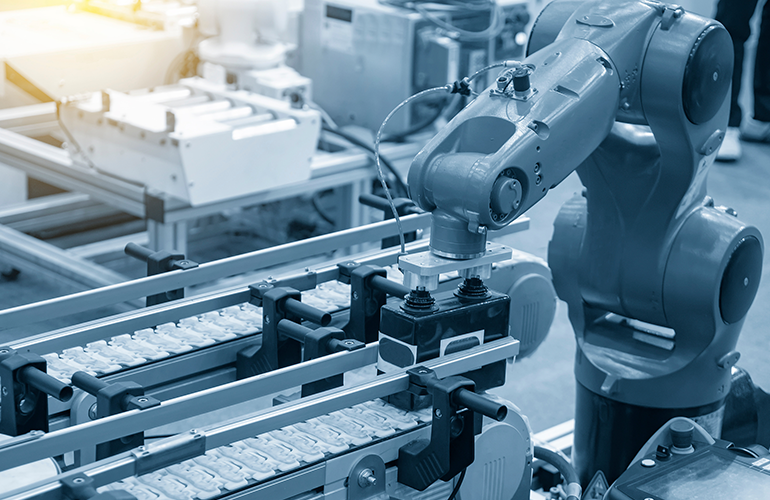
Motion control sits at the center of robotics engineering, determining whether a machine can move with the precision, efficiency and reliability required for its intended job. A new Engineering Focus report from The Robot Report examines the technology and design choices shaping motion systems for industrial robot arms, autonomous mobile robots and humanoids.
The report describes a field in which developers must weigh competing requirements: torque, speed, accuracy, mass, power consumption and cost. Those trade-offs are becoming more consequential as robotic systems move beyond highly structured industrial settings and toward more varied environments and tasks.
Components and software are evolving together
The report points to advances in motors, actuators, gearboxes, sensors and software as key enablers for newer robotic capabilities. Motion control is not a single component decision. It is a system-level engineering problem in which mechanical design, sensing and control software must work together.
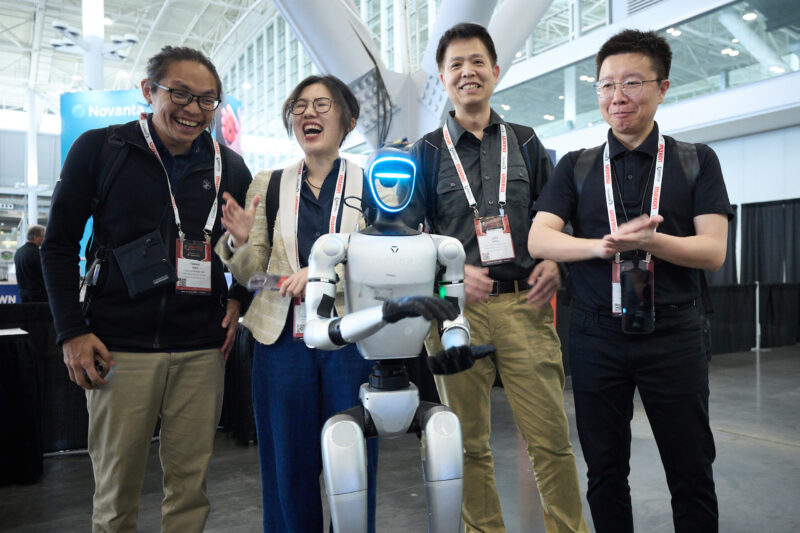
For humanoid robots in particular, the report highlights motion-control-system design, manufacturing gearboxes at scale, compact actuators, force sensing and dexterous manipulation. These areas address a practical challenge: robots intended to operate with human-like reach or mobility need motion systems that are capable without becoming too heavy, power-hungry or expensive to build.

Open tools and training data enter the design conversation
The report also covers open-source motion-planning software and the use of motion-capture data to train robots. Both topics reflect how robotics development increasingly combines physical hardware with software methods for planning and learning movement.
Motion planning concerns how a robot selects and executes a path through its available movements. Motion-capture data, meanwhile, can provide examples of movement that may help inform training approaches. The supplied material does not specify a particular implementation or performance result, but it identifies both as active areas of engineering interest.
Questions manufacturers must resolve
- How much torque, speed and accuracy does a given task require?
- How should designers balance performance against weight, energy use and cost?
- When should a company build custom motion hardware rather than buy components?
- How can gearboxes, motors and actuators be produced at the scale needed for broader deployment?

Why motion control is an industry issue
Better motion hardware can expand what robots are able to do, but it also affects how reliably and economically they can be deployed. The report’s focus on component selection, architecture and manufacturing illustrates that progress is not limited to a single breakthrough technology. It depends on improving many interacting pieces of a robotic system.
As developers pursue industrial automation, mobile robotics and humanoid platforms, motion control will remain a central constraint and opportunity. The engineering choices made in motors, sensing, gearing and software will help determine which systems can move from prototypes into dependable, repeatable operation.
This article is based on reporting by The Robot Report. Read the original article.
Originally published on therobotreport.com