Robotics Summit 2027 Opens Its Call for Speakers
The Robotics Summit & Expo has opened submissions for speakers for its 2027 event, scheduled for June 2-3 at the Hynes Convention Center in Boston. The gathering is aimed at the technical work of developing commercial robots, with programming intended for engineers and other practitioners working on the technologies, methods, and applications needed to bring robotic systems into use at scale.
According to organizer The Robot Report, the event is expected to bring together more than 5,000 attendees, feature five keynotes and more than 60 educational sessions, and host more than 250 exhibitors. The deadline for session proposals is December 30, 2026.
Technical Tracks Reflect a Broadening Robotics Stack
The call for speakers outlines six program tracks. Together, they reflect how commercial robotics increasingly depends on more than mechanical design alone: systems must combine hardware, software, manufacturing processes, machine learning, and deployment-specific expertise.
- Technologies, covering advances in core capabilities used across commercial robot types.
- Design, Development & Manufacturability, focused on simulation, design, prototyping, and manufacturing for scale.
- AI, including machine learning, agentic robotics, foundation models, and their effects on commercial robot development.
- Coding & Programming, covering languages and programming methods for smarter robotic systems.
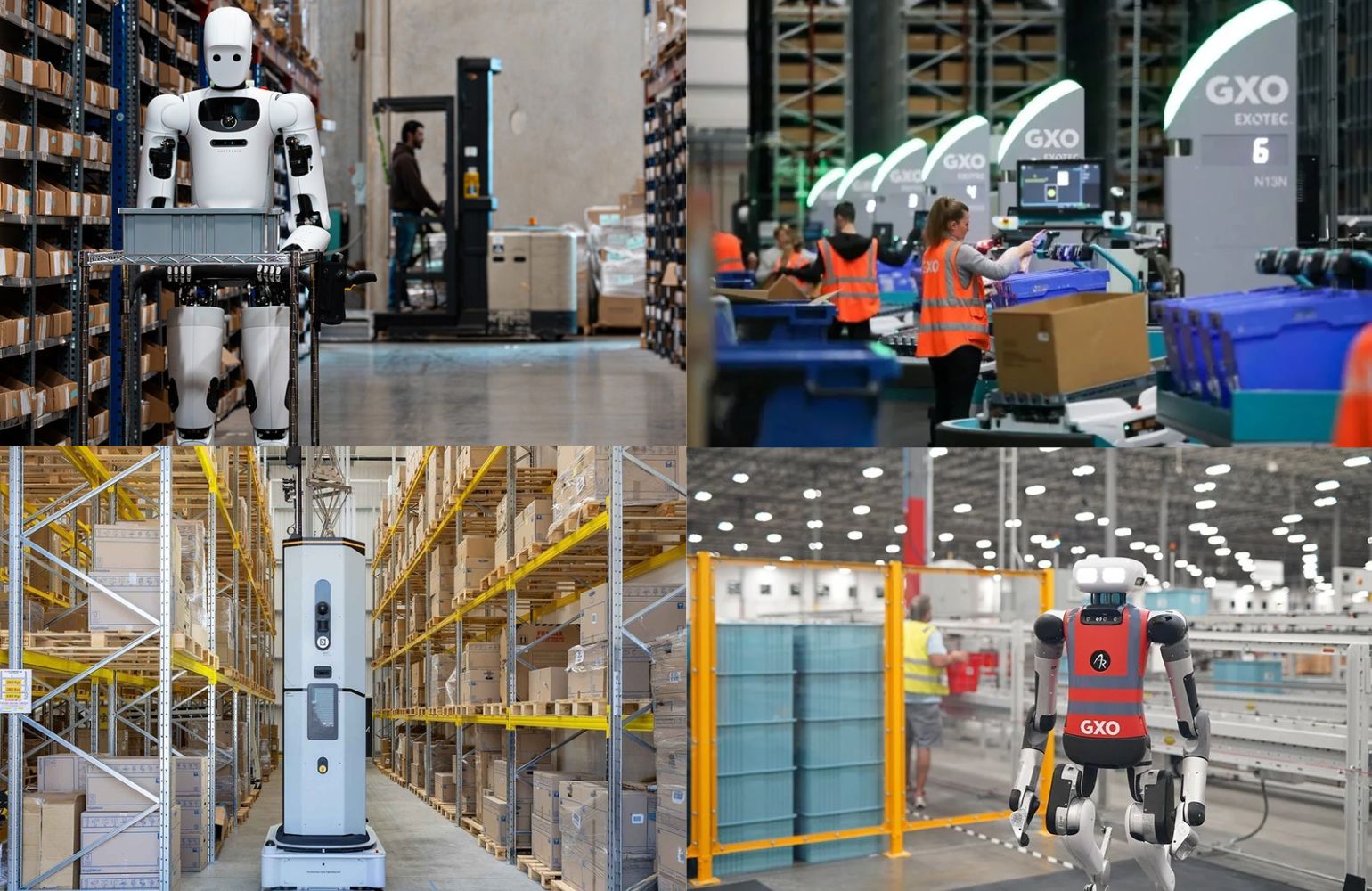
- Logistics, examining warehouse robotics, enabling technologies, and applications.
- Healthcare Robotics, spanning surgical systems, patient-care technologies, and related enabling tools.
The inclusion of AI as a dedicated track is notable because it places machine learning and foundation-model approaches alongside the longstanding engineering concerns of sensing, actuation, reliability, and manufacturability. The program description specifically calls out agentic robotics, a term increasingly used for systems that can plan or carry out multi-step tasks with greater autonomy.

From Demonstrations to Commercial Deployment
The summit’s stated focus is on helping robotics engineers address commercial development challenges. That framing matters because successful prototypes do not automatically become viable products. A commercial robot must be designed for safety, repeatability, serviceability, cost, and operation in the environments where it will actually work.
The event’s design and manufacturability track highlights that transition. Simulation and prototyping can shorten the path to an initial system, but scaling production introduces new questions about supply chains, component selection, testing, and maintenance. Similarly, warehouse and healthcare applications have different operational constraints even when they draw on some of the same underlying technologies.
Logistics robots may need to navigate busy facilities and integrate with existing operational software. Healthcare robotics must address clinical workflows and the demanding conditions of medical environments. The summit’s structure separates those application areas while retaining tracks for the shared technical foundations that support both.
What the 2027 Program Will Include
In addition to conference sessions and keynotes, the 2027 Robotics Summit & Expo is set to include an expanded expo floor, networking opportunities, a career fair, a robotics development challenge, and The Robot Report 50 Awards Gala. The event combines a technical conference with an exhibition format intended to connect developers, suppliers, employers, and prospective customers.
Prospective speakers are asked to propose technical and educational sessions rather than promotional presentations. Speakers selected for the program will receive complimentary full conference registration, including access to keynotes, sessions, panels, networking receptions, and special events.

A Signal of Continued Commercial Robotics Activity
A call for speakers is not a product launch or research result, but it provides a useful snapshot of the issues organizers expect the commercial robotics community to be working on in 2027. The proposed tracks point to continuing interest in building robots that are more capable in practical settings while also being easier to design, program, manufacture, and deploy.
For engineers and researchers, the December deadline creates an opportunity to shape that discussion with case studies and technical lessons from real development work. For the broader industry, the event’s agenda will offer a view into which technologies and deployment challenges are moving from specialized projects toward wider commercial attention.
This article is based on reporting by The Robot Report. Read the original article.
Originally published on therobotreport.com