A staging ground for Google’s broader AI message
Google’s 2026 I/O Dialogues were presented as a recap event, but the lineup reveals something more strategic: the company is trying to define the public conversation around artificial intelligence as far bigger than chat interfaces or consumer productivity features.
According to Google’s summary, the stage brought together company leaders, scientists and creative figures to discuss proactive AI agents, the intersection of AI and quantum computing, AI for scientific discovery, embodied robotics and AI-assisted cinematic storytelling. The result was a curated picture of how Google wants its AI efforts understood across industry, research and culture.
Agents at the center of the practical story
The most directly product-linked theme was AI agents. Google’s Josh Woodward, Koray Kavukcuoglu, Liz Reid and Jeff Dean joined a panel on how proactive agents are changing productivity. That framing matters because it shifts the pitch from models that respond when prompted to systems that can anticipate, coordinate and act across tasks.
For Google, that is an important narrative upgrade. Agentic AI implies deeper integration into search, workspace tools, operating systems and personal workflows. It also moves the discussion from raw model capability toward usefulness, orchestration and trust, which are likely to be the next competitive battlegrounds.
Science and quantum broaden the horizon
Google also used the stage to elevate AI’s role in science, with DeepMind chief executive Demis Hassabis discussing how AI can help solve complex scientific problems. Even in summary form, that placement is telling. Scientific problem-solving has become one of the strongest legitimacy arguments for large-scale AI investment, because it points to outcomes beyond advertising, coding assistance or consumer convenience.
The session on quantum computing and AI featuring Hartmut Neven and James Manyika extends that same positioning. Quantum remains technically and commercially immature relative to mainstream AI deployment, but pairing the two lets Google present itself as a company investing not only in today’s products but also in longer-range computing frontiers. It is as much a statement of ambition as of present capability.
Embodied AI and creative AI share the stage
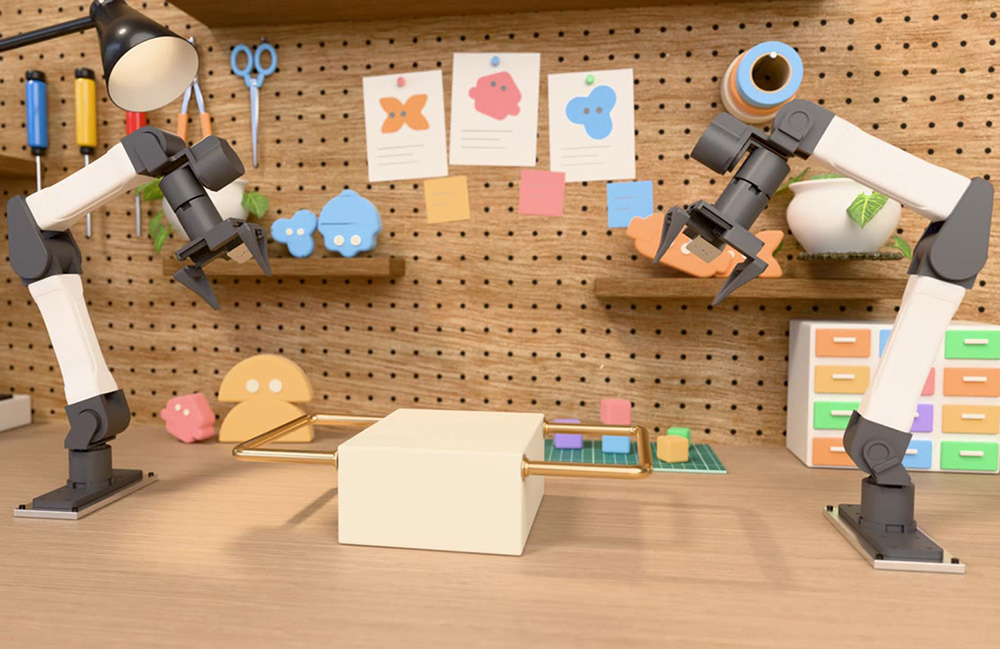
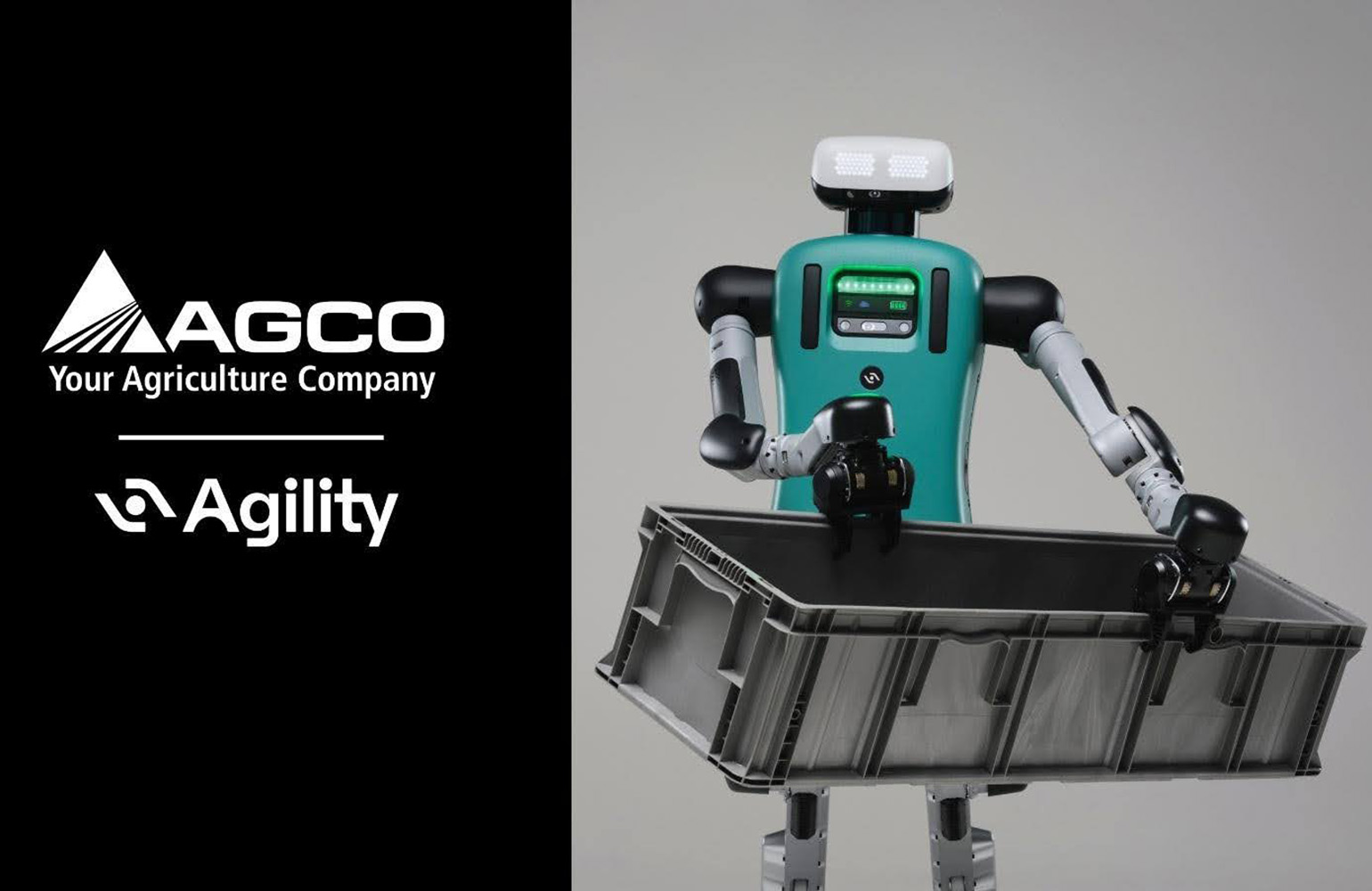
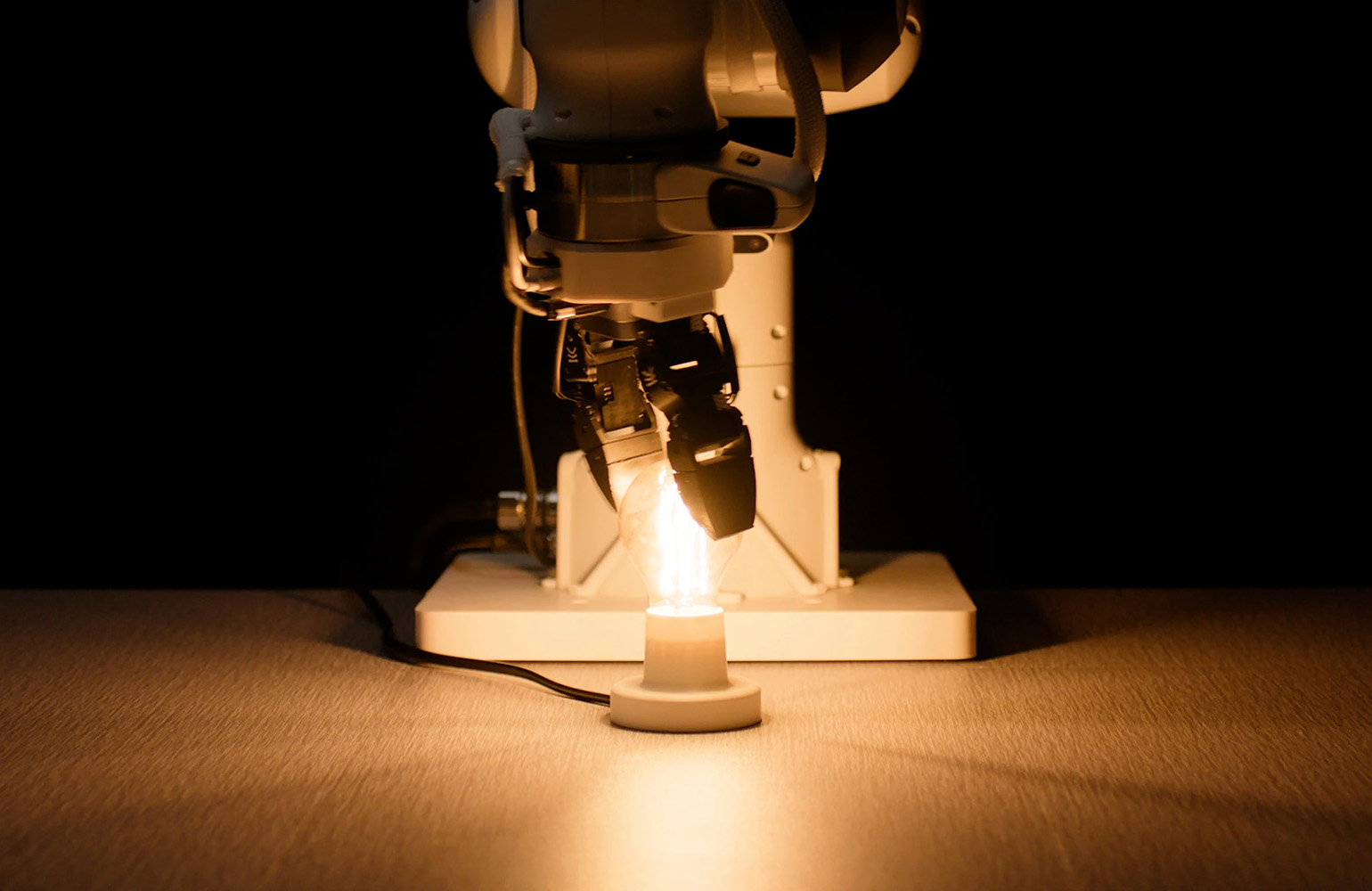
The robotics discussion with Google DeepMind and Boston Dynamics added another layer: embodied physical AI. That theme matters because it addresses a question hanging over the current AI cycle. Can systems that perform impressively in digital environments translate that intelligence into physical action in the world? By highlighting robotics alongside agents and science, Google signaled that it sees physical deployment as part of AI’s next phase.
The creativity panel made a complementary point from the opposite direction. By bringing in filmmaker Doug Liman and creators from 30 Ninjas, Google cast AI as a tool for expanding cinematic storytelling rather than simply automating routine media tasks. Whether that vision persuades skeptical creative industries is another question, but the intent is clear: position AI as augmentative and aspirational, not only disruptive.
A deliberate blend of utility and prestige
What ties the I/O Dialogues together is their mix of near-term utility and high-prestige aspiration. Agents speak to products people may use soon. Science, robotics and quantum speak to long-term leadership. Creativity helps bridge the gap by showing AI’s cultural reach. The structure suggests Google is trying to avoid being boxed into a single AI identity, whether that is search assistant, enterprise productivity layer or research lab.
That matters in a market where rivals are also competing to define what counts as leadership. Public AI leadership is no longer just about model benchmarks. It is also about telling a coherent story that connects technical depth, commercial relevance and societal consequence.
What the recap really reveals
On the surface, Google’s post is a simple roundup of conversations and a prompt to watch the panels on YouTube. In practice, it functions as a map of the company’s preferred AI narrative: proactive, scientific, physical, creative and strategically ambitious. That does not prove execution across every front. But it does show where Google believes the next arguments over AI’s value will be fought.
If those are the battlegrounds, the I/O Dialogues were less a recap than a positioning exercise for the next phase of competition.
This article is based on reporting by Google AI Blog. Read the original article.
Originally published on blog.google