GE Vernova is moving deeper into robotics through acquisition
GE Vernova has signed an agreement to acquire Robotech Automation, a specialized systems integrator based near Montreal, in a deal aimed at accelerating the energy company’s robotics and automation capabilities. The move is relatively small in headcount terms, with Robotech employing about 35 people, but strategically it says a lot about how GE Vernova wants to strengthen internal deployment capacity rather than rely only on external partnerships.
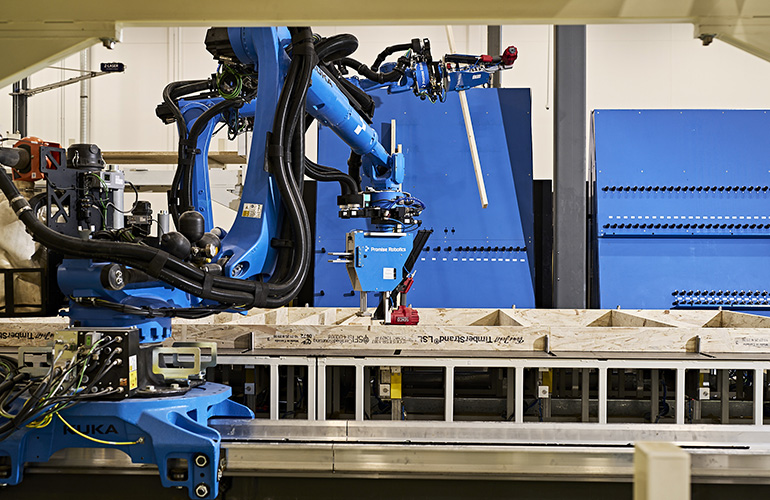
According to the company, Robotech brings in-house design, engineering and integration capabilities backed by a network of manufacturing partners. That combination is valuable because robotics adoption in industrial settings often fails not at the concept stage but at the integration stage, where systems have to fit messy real-world operations, existing equipment and plant-level constraints.
Why this matters for GE Vernova
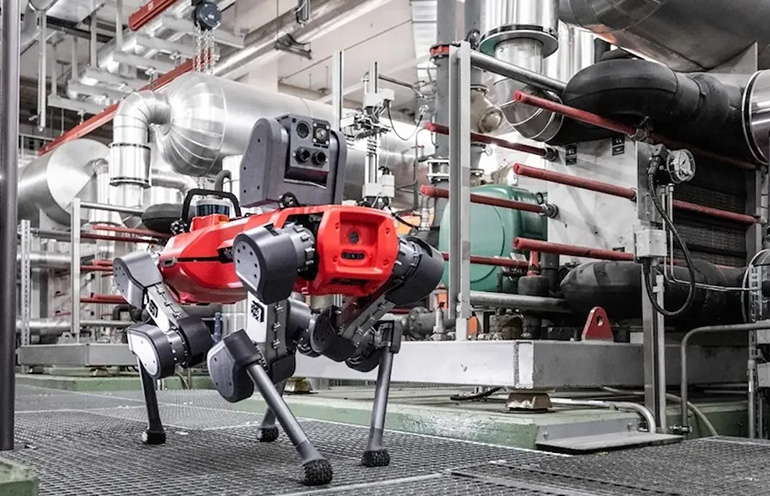
GE Vernova is not entering robotics from scratch. The company has already worked with ANYbotics to automate energy asset inspections, and it says it is collaborating with Robotech on active supply-chain projects, including work at US factories in Schenectady, New York, and Charleroi, Pennsylvania. The acquisition therefore looks less like a speculative expansion and more like an attempt to pull an already useful partner closer to the core business.
CEO Scott Strazik framed the deal in exactly those terms. He said Robotech brings specialized talent, proprietary systems and integration expertise that will accelerate what GE Vernova is building in robotics and automation. He also described the acquisition as a focused step to add key talent, speed up internal programs and establish a world-class robotics deployment capability within the company’s Advanced Research Center.
That final phrase is important. GE Vernova is not only buying a vendor relationship. It is trying to build a deployment engine.
From research interest to operational capability
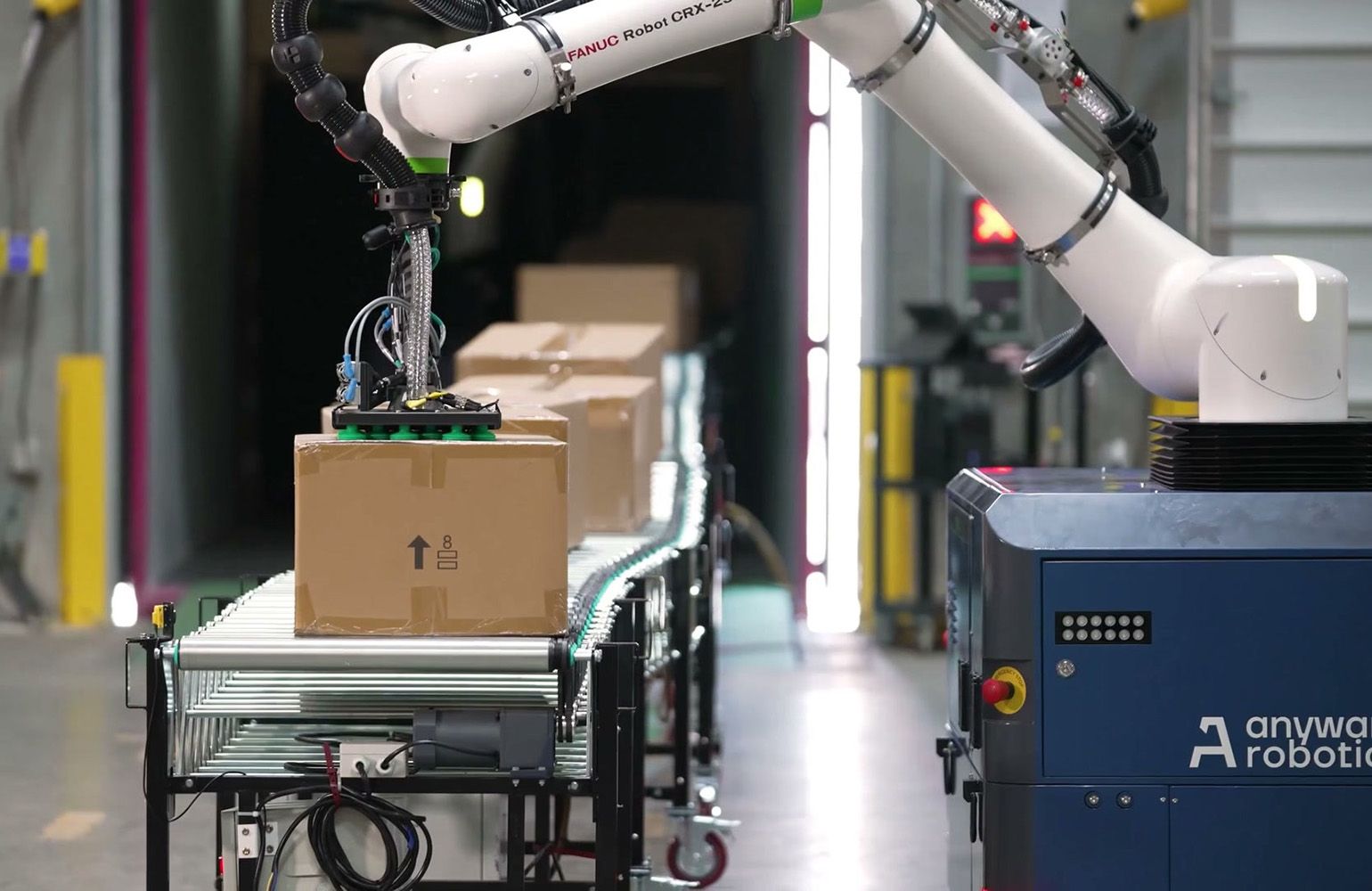
Large industrial companies often have no shortage of robotics pilots, proofs of concept or research initiatives. The harder task is turning those efforts into repeatable operational systems. Robotech’s business as a systems integrator is directly relevant to that gap, because integration expertise is what connects robots and automation hardware to production lines, logistics flows and factory requirements.
In that sense, the acquisition reflects a practical understanding of where value sits in industrial robotics. Building or buying a robot is only part of the challenge. Making it work reliably in factories and supply chains at scale is where deployment capability becomes strategic.
The Canada angle is part of the message
GE Vernova used the announcement to underscore its long-standing footprint in Canada, saying it has been present there for more than 130 years and now employs more than 2,400 people across six manufacturing and office locations. The company also pointed to its broader role in Canada’s energy system and its work on what it described as the Western world’s first small modular reactor with Ontario Power Generation in Toronto.
That emphasis suggests the acquisition is not just about acquiring a small specialist team. It also reinforces GE Vernova’s effort to present itself as a deeply embedded North American energy and industrial player with the regional relationships needed to turn technical capability into commercial execution.
A wider industrial pattern
The move fits a larger pattern across manufacturing and energy: companies are increasingly treating robotics as a core operational capability rather than an experimental add-on. For firms with sprawling supply chains and capital-intensive facilities, the advantage does not come only from owning advanced hardware. It comes from being able to deploy automation repeatedly, in different facilities, without rebuilding the process from zero each time.
Robotech’s scale may be modest, but that does not make the acquisition trivial. Small integrators often hold concentrated know-how that is hard to reproduce internally, especially when the value lies in custom engineering, plant integration and rapid deployment. Bringing that expertise into GE Vernova could shorten implementation cycles and reduce friction between research groups and operating units.
What the deal signals
GE Vernova recently announced plans to invest nearly $600 million in US factories and facilities over the next two years, creating more than 1,500 jobs. Against that backdrop, the Robotech purchase reads as part of a broader industrial buildout, one where automation capability is being treated as infrastructure for competitiveness rather than a side project.
The acquisition will not by itself redefine robotics in energy or manufacturing. But it does reveal a clear strategic choice: GE Vernova wants tighter control over the specialized integration work that determines whether robotics programs become real operational assets. In industrial automation, that is often the difference between a technology demonstration and a durable advantage.
This article is based on reporting by The Robot Report. Read the original article.
Originally published on therobotreport.com