ABB is pushing cobots deeper into industrial territory
ABB Robotics has launched a new collaborative robot family called PoWa, positioning the line as an answer to a long-standing gap in factory automation. Traditional cobots are valued for flexibility and ease of use, but they often lack the speed and payload needed for more demanding tasks. Conventional industrial robots bring higher performance, yet they tend to fit best in larger, more rigid automation environments. ABB’s new line is designed to sit between those two categories.
The company is making a straightforward bet: demand is shifting toward collaborative systems that can do heavier and faster work without forcing manufacturers into the complexity of classic industrial robotics. ABB says the global cobot market will grow by 20 percent annually through 2028, and it is targeting both smaller manufacturers beginning to automate and larger enterprises looking to expand automation into applications that were previously difficult to justify with existing cobot platforms.
What PoWa adds to ABB’s lineup
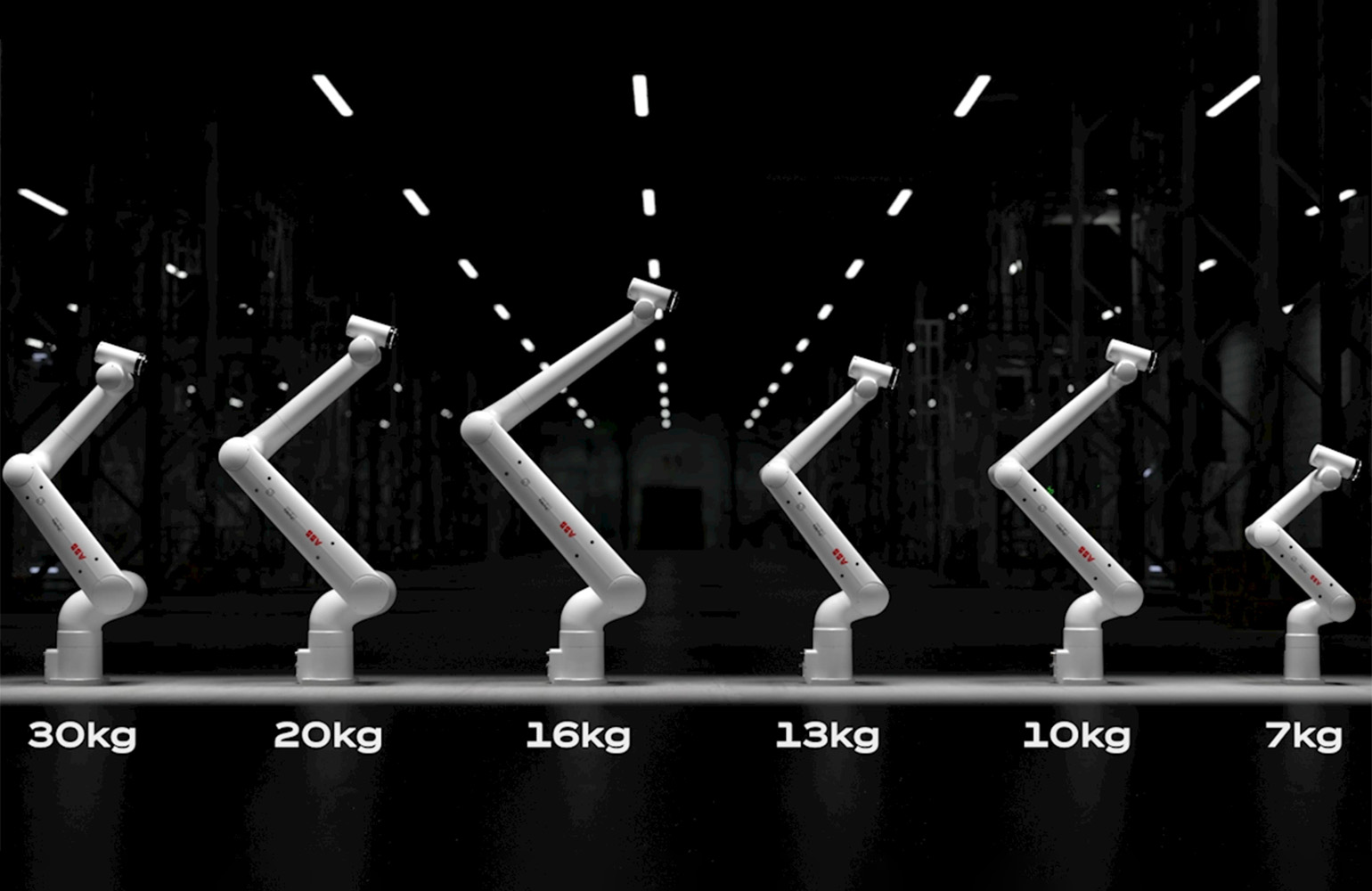
The PoWa family includes six payload categories ranging from 7 kilograms to 30 kilograms. ABB says the robots can reach a top speed of up to 5.8 meters per second, a figure that underlines the company’s emphasis on industrial-grade performance rather than light collaborative assistance alone. The line was built for compact environments, suggesting ABB expects adoption in settings where floor space and layout flexibility matter as much as throughput.
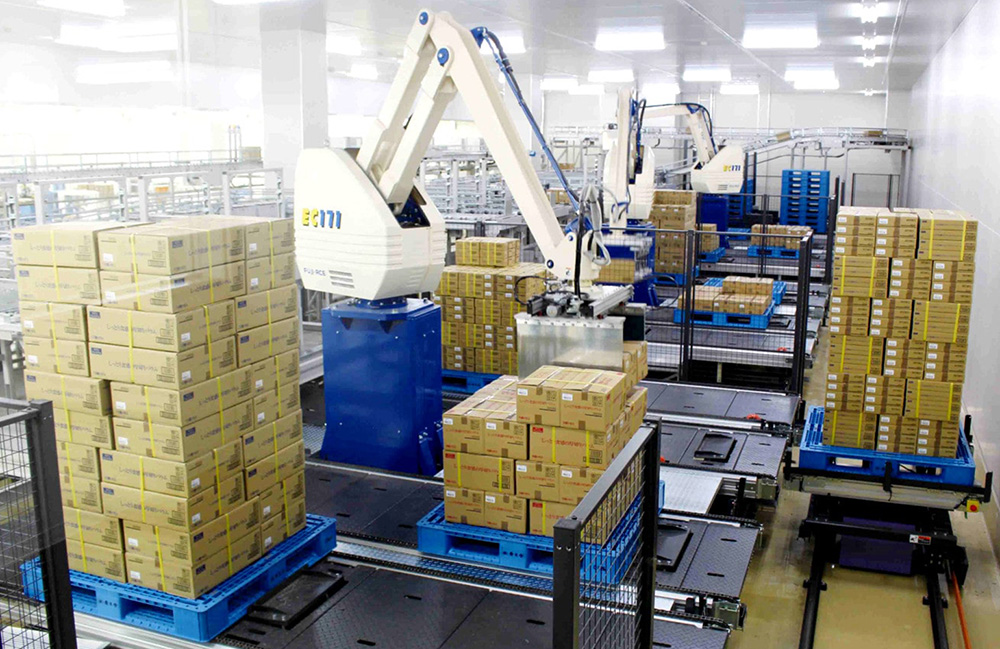
ABB identifies high-speed machine tending, palletizing, screwdriving and arc welding as ideal applications. Those are useful markers because they show where the company sees the opportunity. These are not primarily showcase demos or gentle human-assist use cases. They are real production jobs that require cycle speed, repeatability and enough payload to handle parts and tools that sit above the comfort zone of many earlier cobots.
In effect, ABB is trying to expand the definition of what a collaborative robot can do. If PoWa performs as advertised, manufacturers may be able to automate heavier and faster processes while preserving some of the traits that made cobots attractive in the first place: compact form factors, easier deployment and lower operational rigidity.
The usability pitch
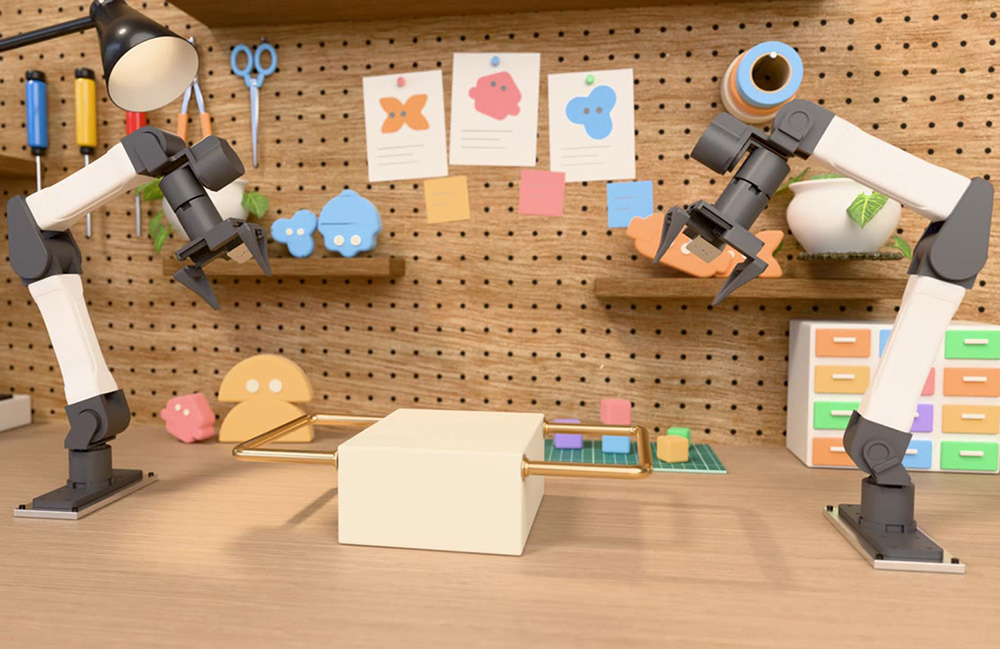
ABB is also stressing accessibility. The company says PoWa can be operated through programmable buttons on the arm-side interface and supports no-code programming. It is also compatible with an ecosystem of third-party accessories. That usability layer is not incidental. For many customers, especially smaller and midsized firms starting their automation journey, adoption barriers are often less about raw hardware capability than about integration burden, specialist staffing and commissioning time.
Andrea Cassoni, ABB Robotics’ head of collaborative robots, framed the launch around exactly that tension. Customers want higher speeds and payloads, he said, but also ease of use and compact designs. Established manufacturers, in his description, want to automate heavier, fast-cycle applications without inheriting the complexity of conventional industrial robot deployments.
That positioning reflects one of the central dynamics in industrial automation today. Many manufacturers are past the stage of experimenting with automation only at the margins. They want systems that can deliver measurable productivity in constrained spaces and changing production environments. A cobot that remains easy to program but can handle more demanding jobs is therefore attractive for practical, not just conceptual, reasons.
Why the launch matters for the market
The cobot sector has matured enough that differentiation is becoming more specific. Early growth was driven by the broad appeal of safer, more flexible robots that could work in closer proximity to people. The next phase is likely to be defined by which vendors can push collaborative systems into applications once reserved for traditional robots, while retaining at least some of the deployment advantages that made cobots popular.
ABB’s PoWa launch is squarely aimed at that transition. Higher payloads, higher speeds and application-specific industrial tasks all indicate a move upmarket in capability. If successful, that could widen the range of automation projects considered feasible in factories that lack the footprint, budget or process rigidity associated with classic large-scale robotic cells.
The company’s timing is notable as well. ABB Group announced in October 2025 that it planned to sell its robotics unit to SoftBank Group for $5.3 billion. Against that backdrop, new product launches carry additional weight because they help define the commercial and strategic profile of the business. ABB Robotics remains a major player with roughly 7,000 employees and a portfolio spanning industrial robots, cobots and autonomous mobile robots. PoWa is therefore not a niche product release but part of how the company is presenting its relevance in a fast-growing segment.
A bridge product for the next automation wave
The central idea behind PoWa is simple: manufacturers should not have to choose between light-duty flexibility and heavyweight performance quite so sharply as before. By building a family that reaches up to 30 kilograms and moves at up to 5.8 meters per second, ABB is trying to turn cobots into viable tools for jobs that demand more than gentle collaboration.
That does not erase the boundary between cobots and conventional industrial robots, but it does narrow it. For factories pursuing incremental automation in real-world spaces, that narrowing may be the most commercially important part of the launch. The more tasks that can be handled by systems that are compact, easier to use and still production-capable, the larger the addressable market becomes.
ABB’s argument is that the industry is ready for that step. PoWa is its attempt to supply the hardware for it.
This article is based on reporting by The Robot Report. Read the original article.
Originally published on therobotreport.com