A Bruising Year for Europe's Largest Automaker
Volkswagen Group reported a 54 percent decline in adjusted operating profit for 2025, with earnings falling to 8.9 billion euros as the world's second-largest automaker grappled with the combined pressures of escalating tariffs, fierce competition from Chinese electric vehicle makers, and the enormous costs of its own electrification transition. The results missed analyst expectations and underscore the structural challenges facing legacy automakers in a rapidly shifting global market.
Revenue stagnated at 322 billion euros, with the company offering a muted outlook for 2026: sales growth of zero to three percent and an operating margin of four to five-and-a-half percent, up from a thin 2.8 percent in 2025. Chief Financial Officer Arno Antlitz acknowledged that current margins are insufficient for long-term sustainability, signaling that deeper restructuring lies ahead.
Porsche's Near-Collapse
The most dramatic decline came from Porsche, the sports car brand that has historically been VW Group's profit engine. Porsche's operating profit fell 98 percent to just 90 million euros in 2025, with its operating margin collapsing from 14.5 percent in 2024 to 0.3 percent. The implosion was driven by heavy write-downs related to the brand's stalled electric vehicle strategy and the costs of repositioning its lineup amid shifting consumer demand.
Porsche had bet aggressively on the Taycan electric sedan and planned to electrify much of its lineup by mid-decade. But EV demand in the premium segment proved more volatile than projected, and the costs of maintaining parallel combustion and electric platforms squeezed margins that were already under pressure from rising material and energy costs. The brand's near-flat profitability represents a fundamental challenge for VW Group, which had relied on Porsche's premium margins to subsidize lower-margin volume brands.
The Tariff Burden
U.S. tariffs imposed over the past two years have cost VW Group billions of euros, affecting vehicles imported from Europe and components sourced from China. The tariffs have forced the company to absorb higher costs or raise prices in one of its most important markets, both options carrying negative consequences for profitability and market share.
CEO Oliver Blume framed the challenge in stark terms, stating that VW is operating in a fundamentally different environment than the one that shaped its current business model. The comment reflects a growing recognition across the European auto industry that the trade policy landscape has shifted in ways that may be permanent, requiring fundamental changes to manufacturing footprints and supply chain strategies.
China Competition Intensifies
VW Group's position in China, still its largest single market, continued to erode under pressure from domestic competitors led by BYD, NIO, and Xpeng. These Chinese manufacturers have captured substantial market share in both the EV and traditional segments, leveraging lower production costs, faster product development cycles, and strong brand appeal among Chinese consumers.
VW's response has included partnerships with Chinese technology companies, accelerated local product development, and price competition — strategies that generate volume but further compress margins. The company's China joint ventures, which once generated billions in annual profits, are now contributing far less to the group's bottom line.
EV Transition Costs
The broader challenge of electrification continues to weigh on results. VW Group has committed tens of billions of euros to developing electric vehicle platforms, battery manufacturing, and software capabilities. These investments are necessary for long-term competitiveness but generate losses in the near term as production scales up and the market for EVs remains below initial projections in key regions.
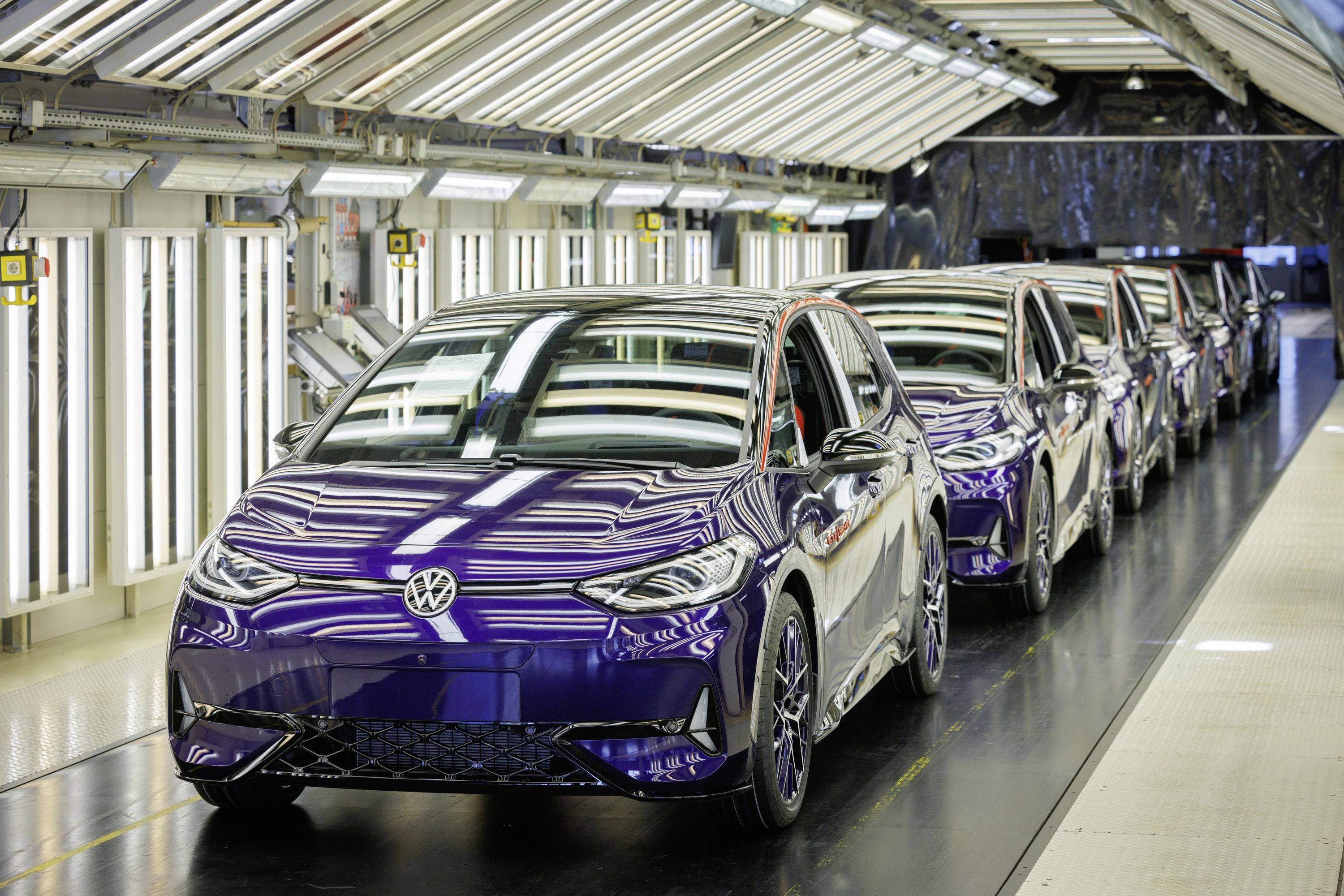
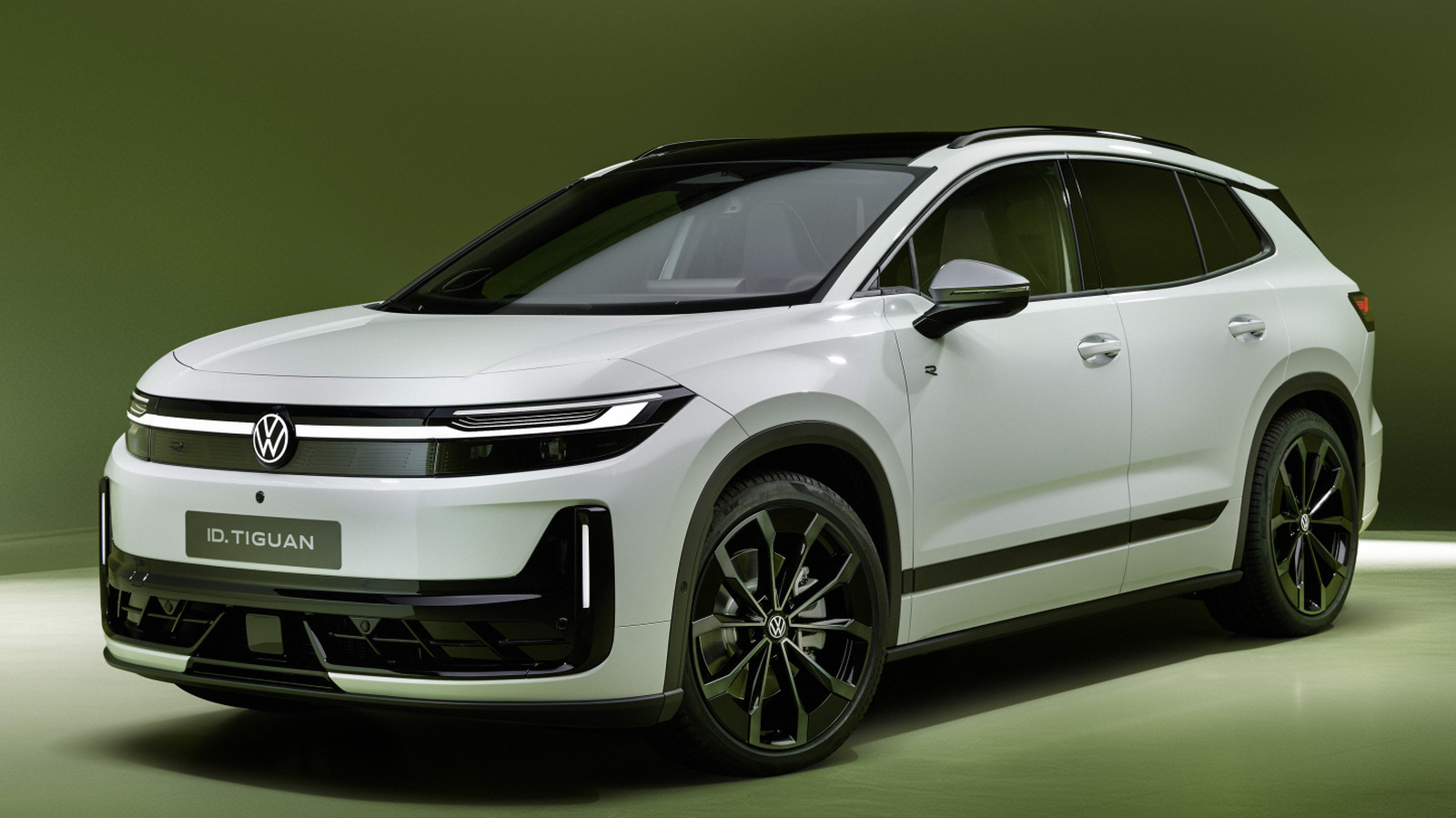
European EV adoption has been volatile, affected by shifting government incentives, consumer range anxiety, and the still-significant price premium of electric vehicles over comparable combustion models. VW's ID. series of electric vehicles has sold in respectable but not transformative numbers, failing to generate the scale economies needed to drive down costs.
Restructuring and Outlook
VW Group has initiated several restructuring measures aimed at reducing costs and improving competitiveness. These include workforce reductions at German plants, consolidation of manufacturing operations, and a sharpened focus on higher-margin product segments. The company is also targeting increased sales in the U.S. market, where its presence has historically been smaller than in Europe and China.
The proposed dividend of 5.26 euros per share for 2025, a 17 percent decline from the previous year, reflects both the earnings decline and the need to conserve capital for the ongoing transformation. Investors have responded cautiously, with VW Group shares trading well below their peaks from two years ago.
The geopolitical environment adds further uncertainty. The ongoing conflict in the Middle East has driven up energy and fuel prices, stoking inflationary pressures that affect both production costs and consumer spending. Freight rates have risen, and supply chain disruptions remain a persistent risk. For VW Group, the path to recovery runs through a landscape of challenges that extend well beyond the company's control.
This article is based on reporting by Automotive News. Read the original article.
Originally published on autonews.com