A Recovery With Nuance

European new vehicle sales increased 1.7 percent compared to the same period last year, with electric vehicles accounting for a disproportionate share of the growth and combustion-engine models continuing a steady relative decline. The headline number is modest — a 1.7 percent rise hardly constitutes a revolution — but it matters because it represents a recovery from a period of weakness that alarmed EV advocates and provided ammunition to those who argued that European consumers were retreating from the electric transition once government subsidies were removed.

That narrative of retreat appears to have been premature. The sales recovery reflects several converging factors: new government incentive programs in Germany, France, and several other major markets introduced to replace schemes that expired in 2023 and 2024; a meaningful expansion of the number of affordable EV models available to European buyers across the €25,000 to €40,000 price band; and, increasingly, the direct economics of vehicle ownership that are making EVs attractive to cost-conscious buyers even without subsidies in markets where electricity is cheaper than gasoline on a per-kilometer basis.

The Subsidy Factor

The reintroduction of purchase incentives in key European markets has demonstrably moved the needle on EV sales. Germany's Umweltbonus program, which ended abruptly in late 2023 due to a budget court ruling that triggered a sharp contraction in German EV sales, has been replaced by a restructured scheme with tighter income and price thresholds designed to target middle-market buyers. French bonus-malus incentives have been recalibrated to favor domestically and European-produced vehicles, adding a localization dimension to the purchase support structure.

The evidence from multiple markets is that purchase subsidies remain influential for the segment of buyers who are genuinely interested in EVs but are making marginal financial decisions about whether total cost over a multi-year ownership period justifies the typically higher upfront price. As battery costs have declined and EV prices have followed, the threshold subsidy required to tip those decisions has fallen — meaning that current programs are buying more behavioral change per subsidy euro than earlier, more generous schemes did.

Affordable Models Are Finally Arriving

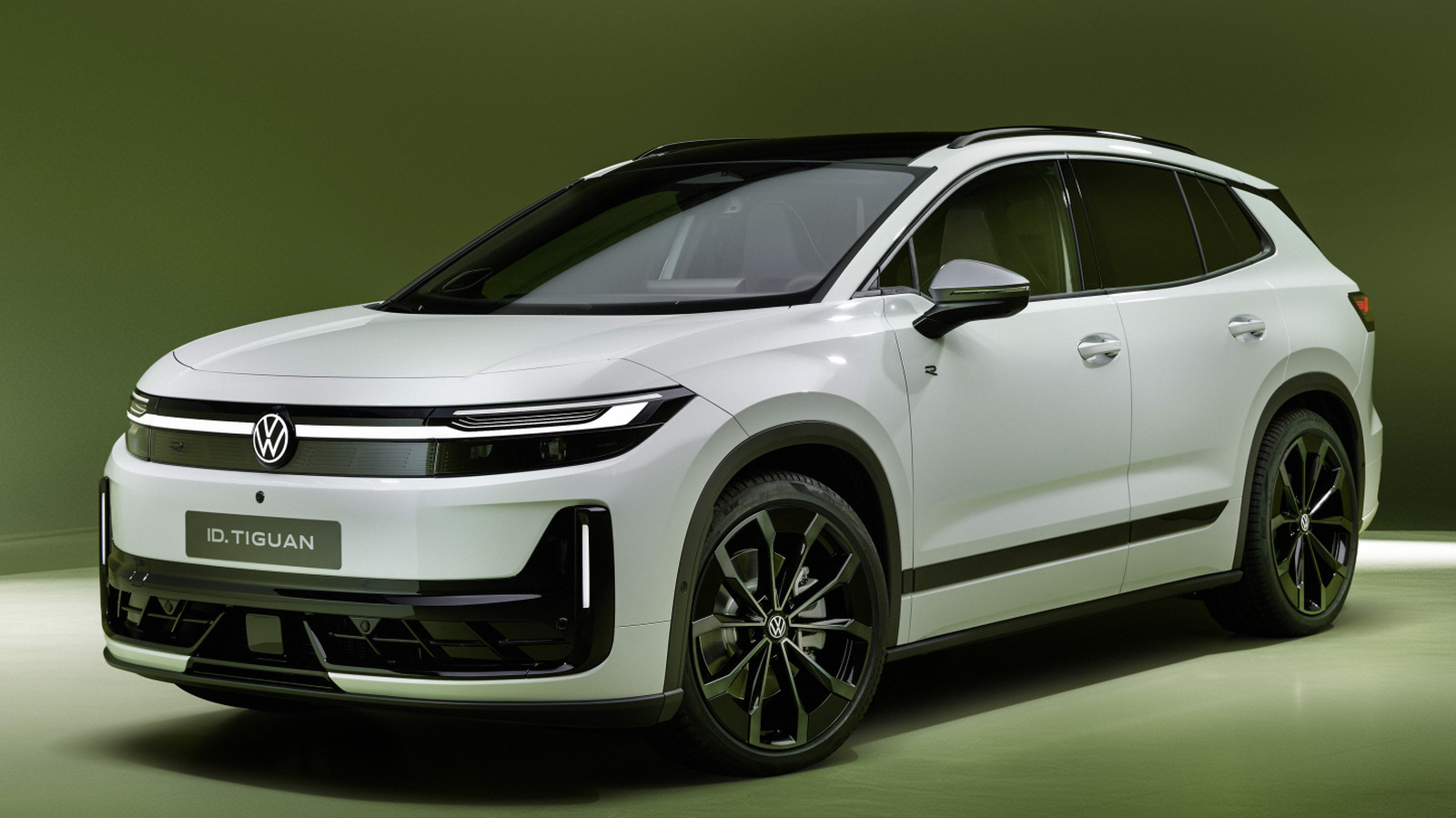
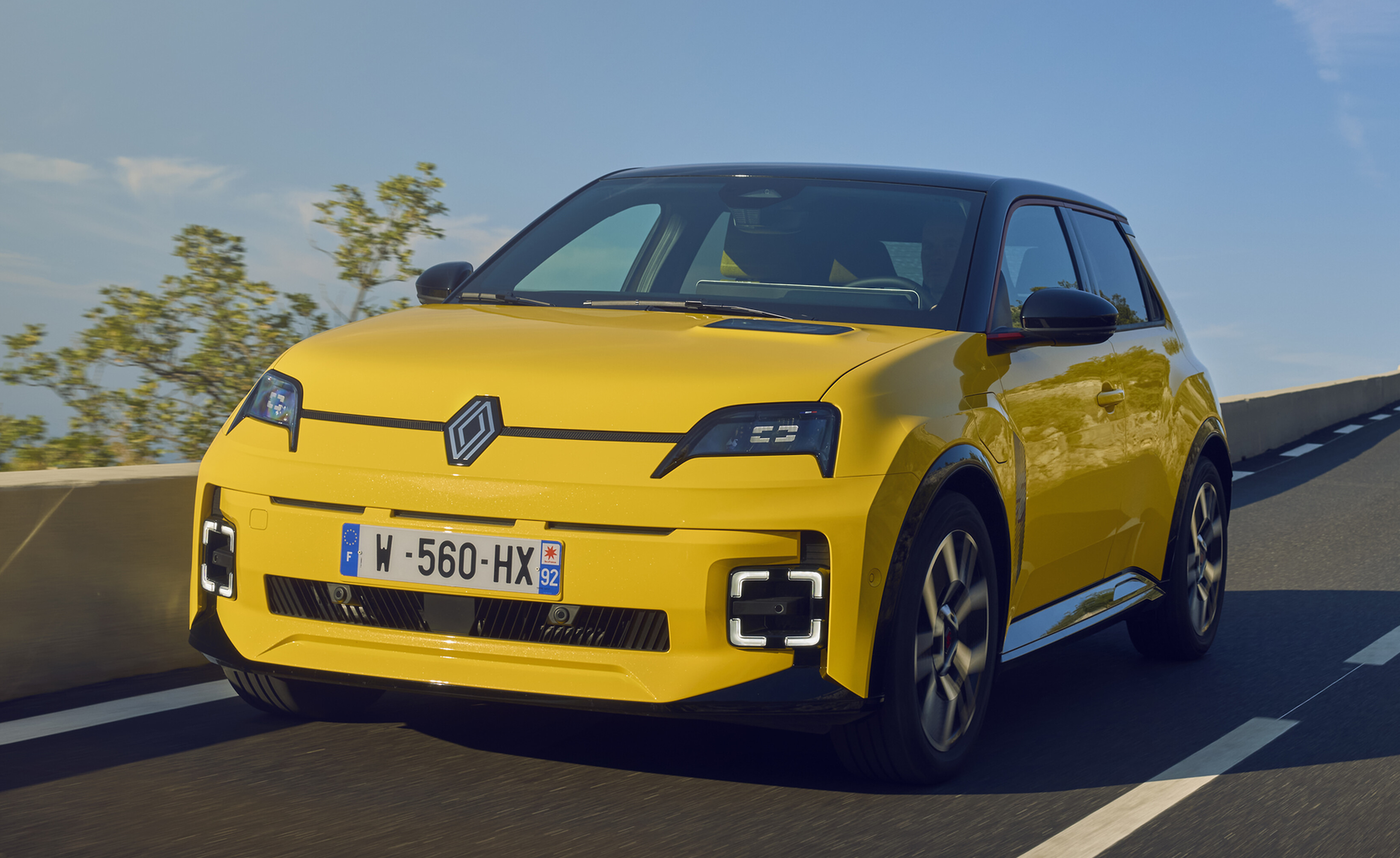
Perhaps more structurally significant than the subsidy revival is the arrival of genuinely affordable mass-market EVs in sufficient variety to address the diverse needs of European buyers. The Renault 5 E-Tech, Volkswagen ID.2, Citroën ë-C3, and several models from Chinese brands have collectively created a sub-€30,000 EV segment that simply did not exist at scale two years ago. This price tier — roughly equivalent in purchase price to a well-equipped combustion-engine family hatchback — is where the volume of the European market lives.

The Chinese brand presence is a politically sensitive dimension of the European EV market's evolution. BYD, MG, NIO, and several other Chinese manufacturers have established distribution networks across Europe and are offering vehicles with specifications and price points that their European competitors are struggling to match. The European Commission's anti-subsidy investigation and the resulting provisional tariffs on Chinese EV imports have complicated this picture, but have not yet pushed Chinese-brand vehicles out of competitive range for European buyers.

Combustion Engine Sales Continue Structural Decline

Within the overall sales growth, the share of purely combustion-engine vehicles continued to fall. Pure battery electric vehicles gained market share in most major European markets, with plug-in hybrids also growing as buyers sought to manage range anxiety while beginning the transition to partial electrification. Fleet buyers — which account for a substantial share of European new car registrations — have been particularly active in accelerating their EV adoption, partly in response to corporate sustainability commitments and partly because fleet lifecycle economics with higher annual mileages favor EVs more clearly than private buyer scenarios.

The CO2 fleet average targets that the European Union has imposed on automakers — which tighten significantly in 2025 and 2030 under the European Green Deal framework — are also structurally forcing manufacturers to push EV sales regardless of short-term demand conditions. Automakers who fall short of CO2 targets face substantial fines, which creates a financial incentive to discount EVs aggressively or increase EV incentives to customers even when demand might not organically reach required levels.

Charging Infrastructure: The Continuing Constraint

Despite the positive sales trend, range anxiety and charging infrastructure adequacy remain the most commonly cited barriers among European consumers considering but not yet making the switch to electric. Public charging infrastructure deployment has accelerated significantly in major metropolitan areas and along key motorway corridors, but rural charging networks remain patchy in many member states.

The Alternative Fuels Infrastructure Regulation, which came into full effect in 2025, requires member states to meet minimum public charging density targets along core trans-European transport network corridors. Compliance progress has been uneven, with Northern European member states generally ahead of Southern and Eastern European countries. The gap between charging experiences available to urban dwellers with home charging access and those available to apartment dwellers or rural residents without home charging represents a meaningful equity dimension in the EV transition that policy makers are only beginning to address with sufficient specificity.

The Road to 2035

The EU has mandated that all new passenger cars and light commercial vehicles sold in Europe must be zero-emission from 2035. That target is now just under a decade away. The current sales recovery, while encouraging, still implies a pace of transition that would need to accelerate substantially to reach the levels required for the 2035 target to be achievable. Whether the combination of tightening CO2 regulations, falling battery costs, expanding affordable model ranges, and continued infrastructure investment will be sufficient to sustain that accelerating pace — or whether political pressures to revise or delay the 2035 target will grow — will be one of the defining policy questions of European climate and industrial policy in the years ahead.

This article is based on reporting by Automotive News. Read the original article.