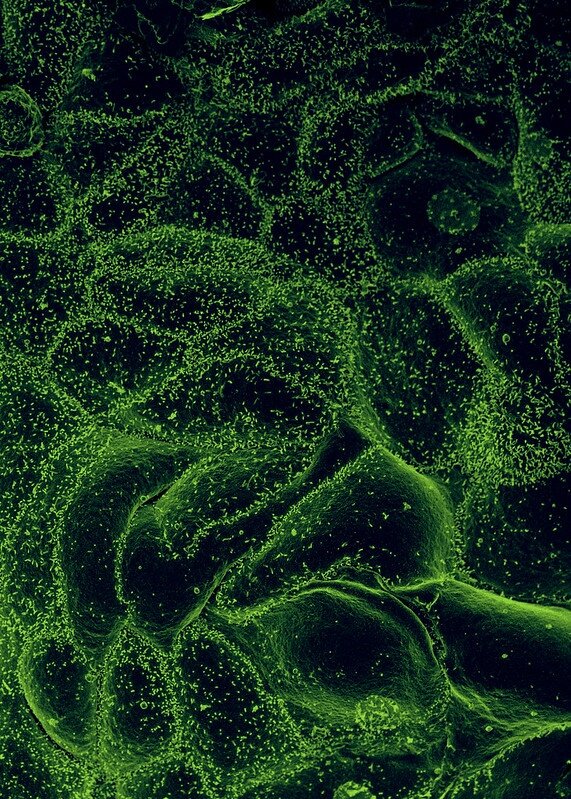
狂犬病研究提示:轻微暴露后皮肤细胞可能扮演更重要角色
一份新报告称,角质形成细胞可能在轻微咬伤或抓伤后主动帮助狂犬病毒侵入神经,这挑战了皮肤细胞只是被动通道的观点。
- 新报告挑战了皮肤细胞在狂犬病感染中只是被动角色的观点。
- 角质形成细胞可能在轻微咬伤或抓伤后帮助病毒侵入神经。
所有标记为「infectious disease」的文章

一份新报告称,角质形成细胞可能在轻微咬伤或抓伤后主动帮助狂犬病毒侵入神经,这挑战了皮肤细胞只是被动通道的观点。

Scientists led by Nanyang Technological University, Singapore, report that proteins found in urine can predict which dengue patients are more likely to progress to severe disease, opening the door to simpler risk triage.

Researchers at Karolinska Institutet report an association between gut bacteria composition and the level of latent HIV in people receiving antiretroviral therapy, pointing to a possible new line of investigation in cure

医生描述了希腊一名58岁女性感染一种罕见寄生性蝇类的异常病例,凸显罕见情况如何挑战标准诊断假设。
A study published in Nature Microbiology reports that a virus usually associated with shrimp and fish has crossed into humans and is tied to persistent eye disease.
A new Nature Medicine report describes the detection of mpox clade IIb in the Republic of the Congo alongside clades Ia and Ib, highlighting a more complex outbreak picture and the need for stronger surveillance and case
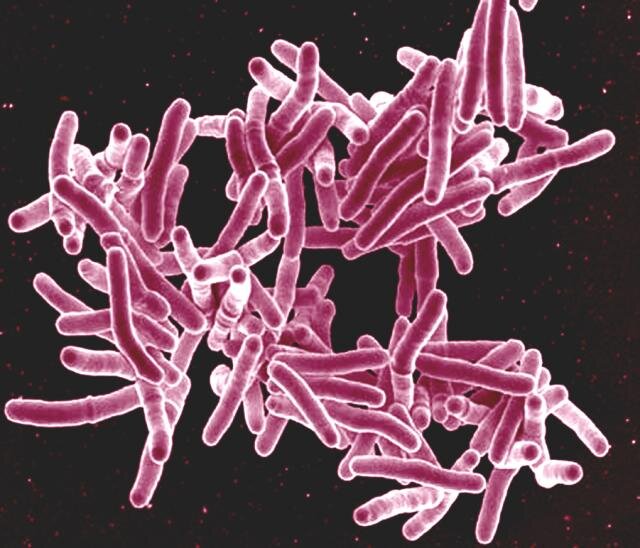
A long-stagnant field is moving again as tuberculosis drug and vaccine development reaches its broadest pipeline on record, raising the prospect of shorter treatments and the first new vaccine class in a century.
A new mRNA vaccine targeting the Nipah virus—one of the world's most feared potential pandemic pathogens—proved safe and generated strong immune responses lasting at least one year in a phase 1 clinical trial published in Nature Medicine.
With nearly 1,000 confirmed measles cases in 2026 spread across close to half of U.S. states, public health officials are sounding the alarm about a broader crisis. Declining vaccination rates could open the door to resurgences of mumps, hepatitis B, and other diseases once thought conquered.
Researchers have found that Chlamydia pneumoniae, a widespread bacterium known for causing respiratory infections, can invade the brain and retina where it persists for years, triggering inflammation and amyloid-beta accumulation linked to Alzheimer's disease. The discovery opens new avenues for early detection through retinal imaging and potential antibiotic treatments.