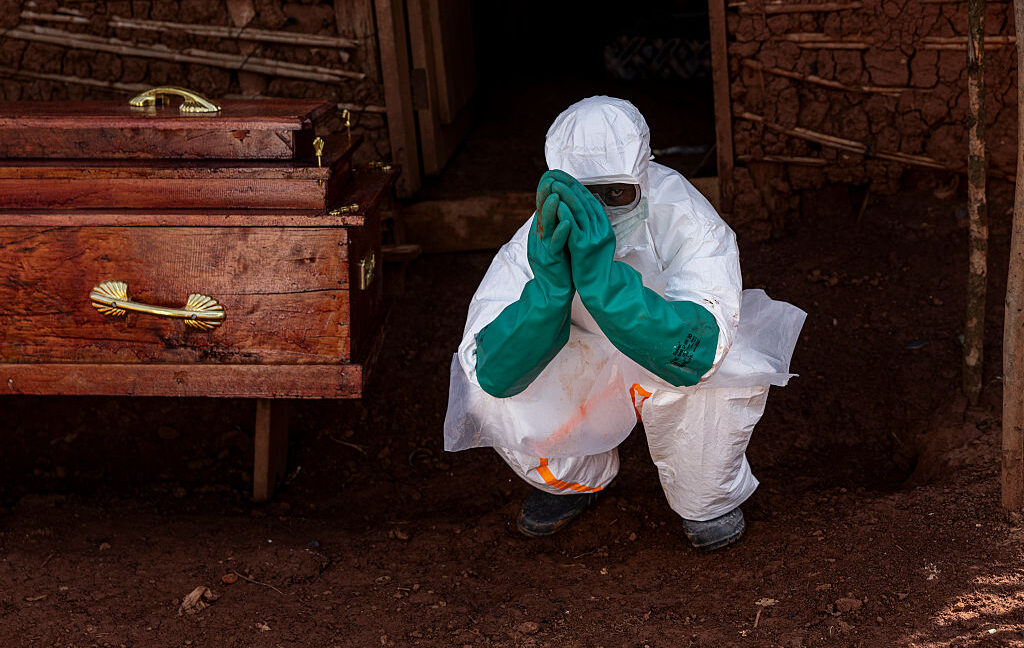
An Outbreak Without a Network Ready to Deploy
As the Ebola outbreak in the Democratic Republic of the Congo’s Ituri Province grows, a research network built to respond to exactly this kind of emergency has been left on the sidelines. According to Ars Technica, the reason is not lack of expertise or urgency, but the loss of US funding.
The Centers for Research in Emerging Infectious Diseases, or CREID, were established by the National Institutes of Health in 2020 to study viruses that emerge from wildlife and spill into human populations. The network operated 10 sites around the world, including in Central and East Africa, where outbreaks like Ebola are most likely to demand rapid field response.
NIH had provided CREID with about $82 million over five years. But when the funding came up for renewal in 2025, the centers instead received a stop-work order. The source text says the research had been deemed “unsafe for Americans and not a good use of taxpayer funding,” and that agency priorities no longer supported the program. Researchers cited in the report link that outcome in part to conspiracy theories about the origins of COVID-19.
What the Network Was Built to Do
The significance of the cut is easier to grasp when measured against the outbreak itself. CREID was designed for preparedness, surveillance, diagnostics, and on-the-ground scientific support in places where emerging pathogens are most likely to appear. In the current Ebola situation, researchers say the network would have mobilized.
Kristian Andersen of Scripps Research, who led one of the two CREID centers in West Africa, told Ars Technica that he had helped develop diagnostics and sequence Ebola virus genomes during past outbreaks to understand how the virus was evolving and spreading. He says he is still talking with colleagues in the DRC and reviewing data, but he no longer has NIH funding to provide direct support with testing or sequencing.
Robert Garry of Tulane Medical School, who co-led the center with Andersen, put the problem more bluntly: the whole network would have mobilized. That statement captures what has been lost. This is not just a budget line. It is a missing operational layer between scientific capacity and outbreak response.

The Cost of Cutting Preparedness
The CREID story illustrates a recurring weakness in public-health policy: preparedness is most visible after it has been dismantled. Networks built during or after one crisis can appear expendable once political attention shifts. But the value of those systems lies precisely in their ability to move before a threat becomes global news.
The current Ebola outbreak gives that principle a harsh test. Researchers with the relevant expertise remain in place. International need is clear. But the institutional structure meant to connect them to the outbreak has been weakened. That creates a gap not only in science, but in timing. Delays in diagnostics, sequencing, and field coordination can shape the quality of the overall response.
The report also notes that CREID worked on a wider range of emerging pathogens, including hantavirus. That wider remit matters because emerging-infection preparedness is rarely about one disease at a time. It is about maintaining the people, tools, and partnerships needed when the next event appears.
Preparedness as a Political Choice
There is a larger policy lesson here. Pandemic and outbreak readiness is not just about vaccines or emergency declarations after a crisis is obvious. It is also about whether governments sustain the quieter research infrastructure that lets experts detect, characterize, and contain threats early.
The US decision described in the report did the opposite. It withdrew support from a network created for emerging infectious disease response just as a major outbreak created a real-world need for it. That does not merely reduce scientific activity. It narrows options in a crisis.
For now, the most striking fact is the simplest one: a network created to help fight outbreaks in vulnerable regions is watching an Ebola emergency unfold from afar. In preparedness terms, that is not a technical failure. It is a policy failure.
This article is based on reporting by Ars Technica. Read the original article.

Originally published on arstechnica.com


