From Lunar Dirt to Breathable Air
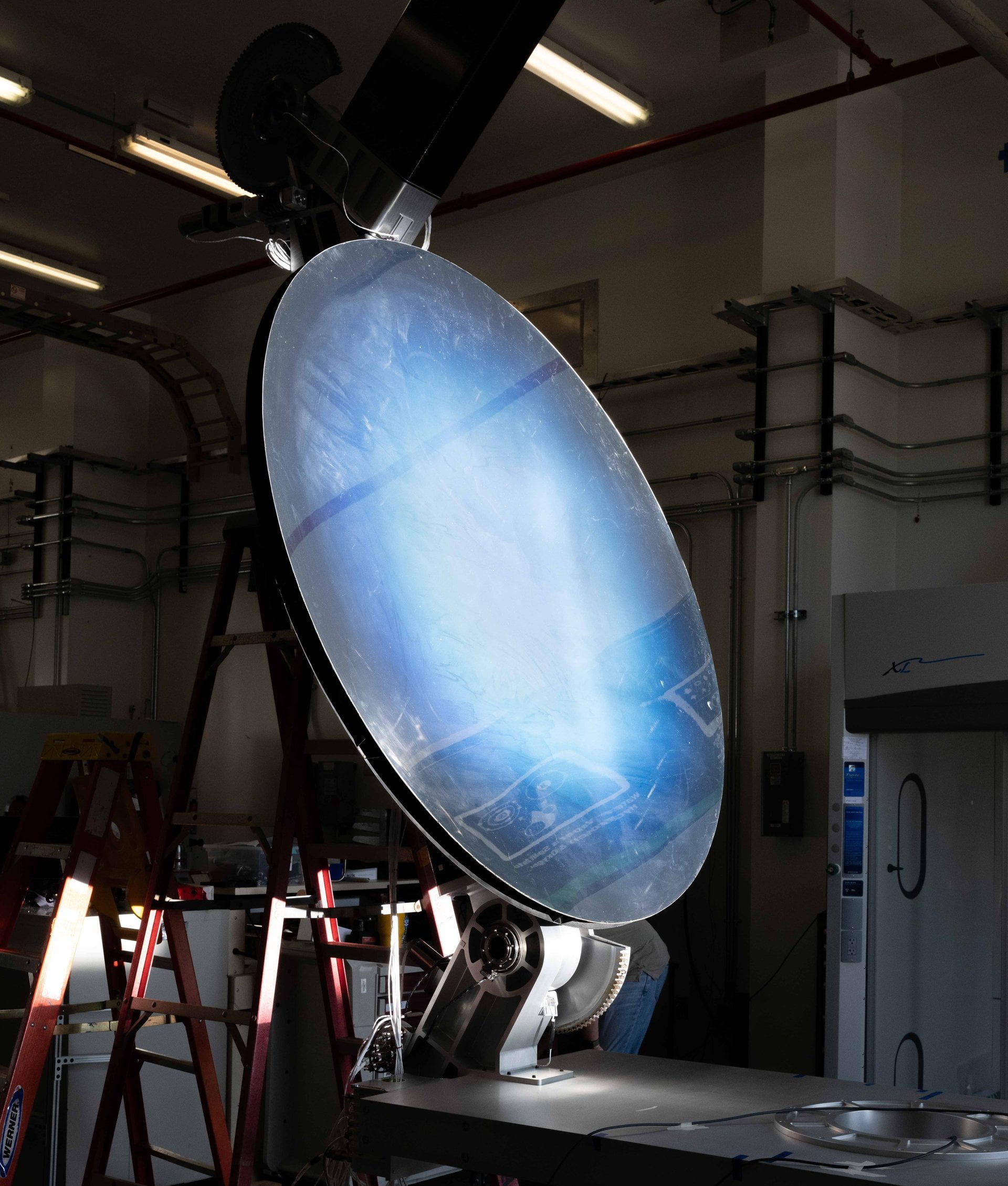
NASA's Carbothermal Reduction Demonstration (CaRD) project has completed a critical milestone in the quest to produce oxygen from the Moon's surface materials, the space agency announced this week. The project, which aims to extract oxygen from lunar regolith — the fine, rocky soil that covers the Moon's surface — successfully demonstrated a key step in the chemical process using a solar concentrator to heat simulated lunar material to the extreme temperatures required for the extraction.
The achievement represents a significant advance in what space agencies call In-Situ Resource Utilization (ISRU) — the practice of using materials found at an exploration destination rather than transporting everything from Earth. Producing oxygen on the Moon would serve dual purposes: generating breathable air for astronaut habitats and creating a critical component of rocket propellant that could be used to refuel vehicles for the return trip to Earth or for onward journeys deeper into the solar system.
How Carbothermal Reduction Works
The carbothermal reduction process involves heating lunar regolith to temperatures exceeding 1,800 degrees Celsius using concentrated solar energy. At these extreme temperatures, a chemical reaction between the metallic oxides in the lunar soil and a carbon-based reducing agent releases oxygen gas, which can then be captured and stored. The process also produces metallic byproducts — primarily iron and silicon — that could potentially be used as construction materials for lunar infrastructure.
The solar concentrator tested in the CaRD project focuses sunlight into an intense beam capable of reaching the temperatures needed to initiate the reduction reaction. This approach is particularly well-suited to the lunar environment, where the absence of an atmosphere means that solar energy is abundant and unfiltered. At the Moon's south pole, where NASA plans to establish its Artemis base camp, extended periods of sunlight could power the extraction process for weeks at a time.
Why Lunar Oxygen Matters for Deep Space Exploration
The ability to produce oxygen on the Moon would fundamentally alter the economics and logistics of space exploration. Currently, every kilogram of material needed for a lunar mission must be launched from Earth's surface at enormous cost — roughly $10,000 to $50,000 per kilogram depending on the destination and launch vehicle. Oxygen is the heaviest component of both life support systems and rocket propellant, meaning that producing it locally would dramatically reduce the mass that must be carried from Earth.
For the Artemis program's long-term goals of establishing a sustainable human presence on the Moon, local oxygen production is not merely desirable — it is effectively essential. A permanent lunar outpost would require continuous supplies of breathable air, and any architecture that depends on regular resupply from Earth would be prohibitively expensive and vulnerable to launch delays or failures. ISRU offers a path to self-sufficiency that could make sustained lunar habitation economically viable.
The Technical Challenges Remaining
While the CaRD milestone is encouraging, significant technical challenges remain before oxygen extraction can be deployed operationally on the lunar surface. The test was conducted using simulated lunar regolith — carefully formulated materials designed to mimic the chemical composition of actual Moon dirt — rather than genuine lunar samples. The real lunar environment presents additional complications, including the abrasive nature of regolith particles, electrostatic charging, and the extreme temperature swings between lunar day and night.
Scaling the technology from a laboratory demonstration to a production system capable of generating meaningful quantities of oxygen is another substantial hurdle. NASA's current projections suggest that an operational oxygen extraction plant on the Moon would need to process tons of regolith to produce enough oxygen for a small crew over an extended period. The engineering required to handle, heat, and process that volume of material in the harsh lunar environment remains largely unsolved.
A Stepping Stone to Mars
The implications of the CaRD project extend far beyond the Moon. Mars, which has an atmosphere composed primarily of carbon dioxide, presents an even more compelling case for in-situ oxygen production. NASA's MOXIE experiment aboard the Perseverance rover has already demonstrated that oxygen can be extracted from the Martian atmosphere using a different chemical process. Together, MOXIE and CaRD represent complementary approaches to a common goal: ensuring that future human explorers can live off the land wherever they go.
The success of these technologies could determine whether humanity's expansion beyond Earth remains a series of brief, expensive expeditions or evolves into a sustained presence across the solar system. Every kilogram of oxygen that can be produced at the destination rather than carried from Earth makes the next mission more affordable, more flexible, and more ambitious. The CaRD project's latest milestone brings that future one step closer to reality.
Timeline and Next Steps
NASA plans to continue refining the carbothermal reduction technology through additional ground-based testing before committing to a flight demonstration. The agency has indicated that a lunar surface test could occur as part of the Artemis program's later missions, potentially in the early 2030s. In the meantime, the CaRD team will work on improving the efficiency of the extraction process, developing more robust hardware designs, and addressing the engineering challenges associated with operating in the lunar environment.
The project is part of a broader NASA effort to develop the technologies needed for sustainable exploration beyond low Earth orbit. Alongside oxygen production, the agency is investing in water ice extraction, 3D printing of structures from local materials, and nuclear power systems that could support operations during the two-week lunar night. Together, these capabilities form the foundation for a lunar infrastructure that could eventually support not just visiting astronauts but permanent settlements.
This article is based on reporting by Universe Today. Read the original article.

Originally published on universetoday.com