A Lifetime of Achievement in Earth Observation
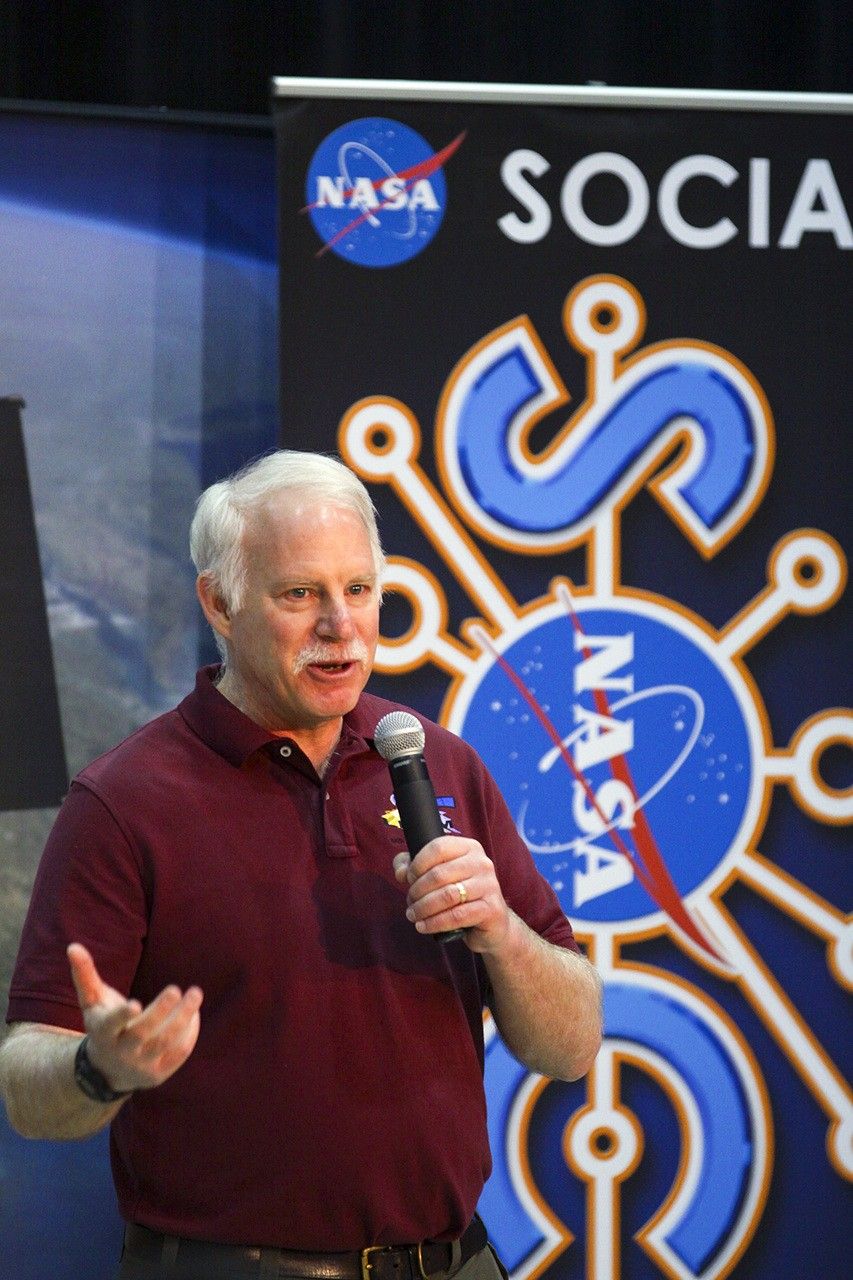
Dr. Jim Irons, a towering figure in the field of Earth remote sensing, has been awarded the William T. Pecora Award, one of the most prestigious honors in the Earth observation community. The award, jointly presented by the U.S. Department of the Interior and NASA, recognizes outstanding contributions toward understanding the Earth through remote sensing. Irons, now an emeritus scientist at NASA's Goddard Space Flight Center, earned this recognition for his decades of leadership and scientific excellence, particularly his pivotal role in the Landsat program.
Shaping the Landsat Program
Irons's journey with Landsat began long before the launch of Landsat 8. He served as deputy project scientist for Landsat 7, gaining invaluable experience that he would later apply as project scientist for Landsat 8—then known as the Landsat Data Continuity Mission (LDCM). From the earliest planning stages through launch and operations, Irons worked tirelessly across NASA and with colleagues at the U.S. Geological Survey (USGS) to ensure that Landsat continued to deliver critical data to researchers worldwide.
One of his most significant contributions was championing rigorous calibration standards, which are essential for ensuring the accuracy and consistency of Landsat data over time. He also fought to retain the thermal band on Landsat 8, a decision whose wisdom has become increasingly clear. Today, projects like OpenET rely on evapotranspiration data derived from Landsat's thermal imagery, demonstrating the foresight of Irons's vision.

Leadership During Challenging Times
Beyond his technical contributions, Irons demonstrated exceptional leadership as director of NASA Goddard's Earth Science Division. He steered the division through the turbulent early days of the COVID-19 pandemic, a period of global disruption that tested organizations everywhere. Contending with unprecedented challenges, Irons prioritized supporting his team, ensuring that everyone had the resources and flexibility needed to continue their vital work. His leadership during this crisis left a lasting legacy of collaboration and innovation.
A Humble Recipient
When asked about the award, Irons was quick to share the credit. He noted that many prior recipients of the Pecora Award have been his supervisors, mentors, role models, and colleagues—people whose work he admired and who inspired him. He expressed deep honor at being added to that list. At the same time, he emphasized that there are many deserving individuals who have not yet been recognized, and he hopes to continue supporting their nominations. “There are more people who deserve recognition than there are awards to give out,” he remarked.

Legacy and Impact
Irons's impact on the Landsat program and Earth science as a whole is immeasurable. His advocacy for high-quality data, his insistence on including critical instruments like the thermal band, and his steady leadership during a global crisis have ensured that Landsat remains an indispensable resource for scientists, policymakers, and the public. The Pecora Award is a fitting tribute to a career dedicated to advancing our understanding of Earth from space.
As Landsat continues to evolve—with Landsat 9 now in orbit and Landsat 10 on the horizon—the foundations laid by Irons will continue to support Earth observation for generations to come. His legacy is not just in the data collected, but in the community he helped build and the standards he upheld.
This article is based on reporting by science.nasa.gov. Read the original article.
Originally published on science.nasa.gov