A tiny edit produced a major developmental shift
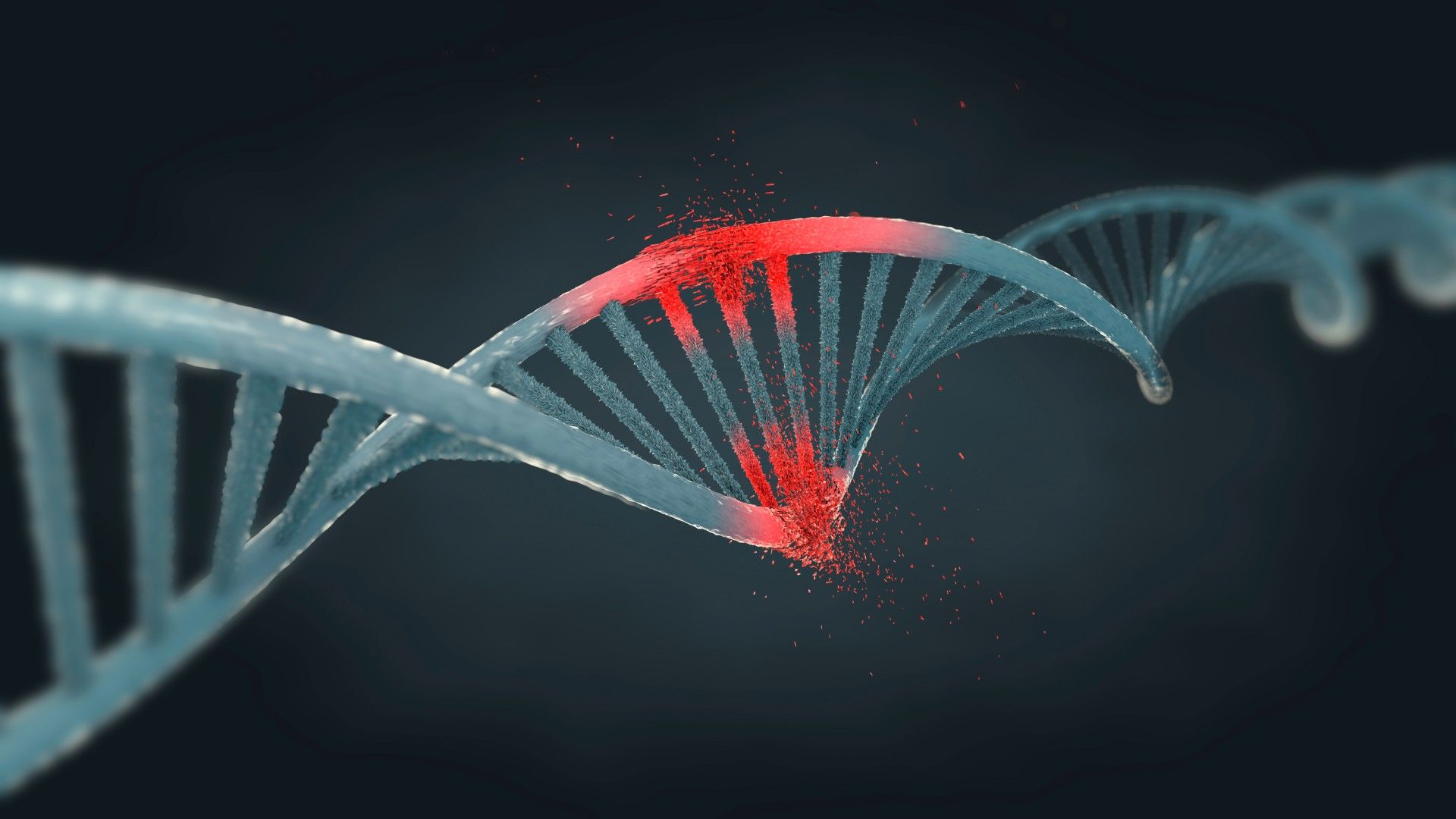
Biology often teaches that large outcomes can follow from small causes, but even by that standard the new mouse result described by Live Science is striking. Researchers found that changing just one DNA “letter” in female mouse embryos triggered the development of male genitalia and testes, showing that a microscopic alteration in the genome can redirect a major developmental pathway.
The finding stands out because the edit was so small relative to the total scale of the genome. As the article notes, the change involved just one DNA letter out of roughly 2.8 billion. Yet that minor tweak had visible, organism-level consequences. In developmental genetics, those are the cases that illuminate how regulatory systems really work.
This is not simply a story about a dramatic phenotype. It is a story about control points in biology: the stretches of DNA where a tiny change can alter how genes are switched on, when they act, and how tissues interpret those instructions during embryonic development.
The result points to the power of genomic regulation
Although genes often get most of the public attention, development depends heavily on regulatory DNA, the regions that influence whether genetic programs activate in the right place and at the right time. The Live Science report indicates that scientists modified a specific stretch of DNA in female mice and saw development shift toward male reproductive anatomy.
That suggests the altered site acts as a decisive switch or part of one. In complex organisms, sex development is not governed only by a single binary command. It emerges from interacting pathways that promote one developmental route while suppressing another. If a critical regulatory element is changed, the balance can tip.
The importance of this result lies in how sharply it illustrates that principle. One base change was enough to alter that balance. For researchers, this offers a powerful demonstration that not all genetic variation is equal. Some changes are functionally quiet, while others sit at bottlenecks where even a one-letter difference can reorganize development.
Why scientists care about this beyond mice
Mouse studies do not automatically translate into human biology, and the supplied source text does not claim that they do. But developmental mechanisms in mammals often share important features, which is why mouse models remain so central in genetics research. Discoveries like this help scientists map the logic of developmental control systems, including which DNA regions have unusually strong effects.
That matters for several reasons. First, it can improve understanding of congenital differences in sexual development by identifying regulatory elements that may be more influential than expected. Second, it expands the broader scientific view of how noncoding or regulatory regions contribute to major anatomical outcomes. Third, it reinforces that genome interpretation cannot stop at protein-coding genes alone.
For years, one of the central lessons of genomics has been that the genome is not just a parts list. It is also an instruction system, and instructions can fail, shift, or be reweighted in ways that are out of proportion to the size of the mutation involved.
The study highlights a recurring lesson in modern genetics
One of the biggest changes in genetics over the past two decades has been the growing appreciation that tiny sequence differences can have major biological consequences when they occur in the right context. The old intuition that large anatomical changes must come from large genetic edits has not held up well. Instead, biology is full of threshold effects, timing effects, and regulatory choke points.
The mouse finding fits that pattern neatly. A single altered nucleotide did not create a wholly new developmental program from scratch. Rather, it appears to have changed the control logic enough to reroute an existing one. That distinction is important because it reveals how development is organized: less like an assembly line with independent parts, and more like a branching decision tree governed by sensitive checkpoints.
It also shows why interpreting DNA variation remains challenging. Two mutations of the same apparent size can have radically different consequences depending on where they land. In one region, a single-base change may do little. In another, it may change the fate of a tissue or organ system.
Small mutations can expose big principles
Results like this are valuable not only because they identify a specific mechanism, but also because they sharpen scientific intuition. Developmental biology is sometimes presented as overwhelmingly complex, and in many ways it is. Yet complexity does not mean randomness. It often means that systems rely on a few highly consequential regulatory nodes embedded in vast amounts of sequence information.
When researchers find one of those nodes, they gain leverage. They can begin to test how cells interpret developmental cues, how competing pathways are stabilized, and how anatomy emerges from gene regulation over time. A single-letter edit can therefore become a window into the architecture of mammalian development.
The Live Science report emphasizes how remarkable the finding is precisely because the genomic change was so small. That reaction is understandable. But the deeper lesson may be that developmental systems are built to be precise, and precision can create vulnerability. If a key regulatory letter is changed, the downstream effects can be profound.
For genetics, the study is another reminder that the most important information in the genome is not always the easiest to spot by size alone. Sometimes the decisive signal is just one letter long, and understanding why it matters can reveal far more than the mutation itself.
This article is based on reporting by Live Science. Read the original article.