Climate change is shifting Canada’s disease map
A new commentary in the Canadian Medical Association Journal argues that climate change is no longer a distant backdrop to public health in Canada. It is already altering the ecological conditions that shape infectious disease risk, helping vectors, pathogens, and animal hosts survive in more places and for longer periods.
The warning is aimed squarely at clinicians as well as policymakers. According to the authors, rising temperatures and related environmental changes are contributing to the emergence or expansion of tick-borne and mosquito-borne diseases in Canada. Their message is straightforward: physicians should expect more climate-sensitive infections, strengthen clinical suspicion, and prepare patients for risks that were once considered unusual or remote.
That framing is important because the issue is not limited to abstract projections. The commentary states that the risk from climate-sensitive diseases already present in Canada is increasing now. It also raises the prospect of local transmission of tropical mosquito-borne illnesses if the ecological range of competent vectors continues to expand.
What is changing, and why it matters
The basic public health mechanism is well established. Warmer temperatures can affect whether pathogens survive, how far vector species spread, when they are active, and how humans interact with outdoor environments. The commentary summarizes those links by noting that climate change can increase the survival and geographic distribution of pathogens, vectors, and animal reservoir hosts, while also influencing human behavior.
That mix of biological and behavioral change matters because infectious disease risk is rarely driven by one variable alone. A warmer climate can extend a mosquito season, alter bird or mammal migration patterns, or allow ticks to persist in regions where winters were once too harsh. At the same time, people may spend more time outdoors or travel differently, changing their exposure. The net result is a broader and less predictable disease landscape.
For clinicians, the practical consequence is that old assumptions about what diseases “belong” in a given region may become less reliable. Diagnostic shortcuts that worked in the past can start to fail when ecological boundaries move.

Tropical diseases are no longer only travel medicine concerns
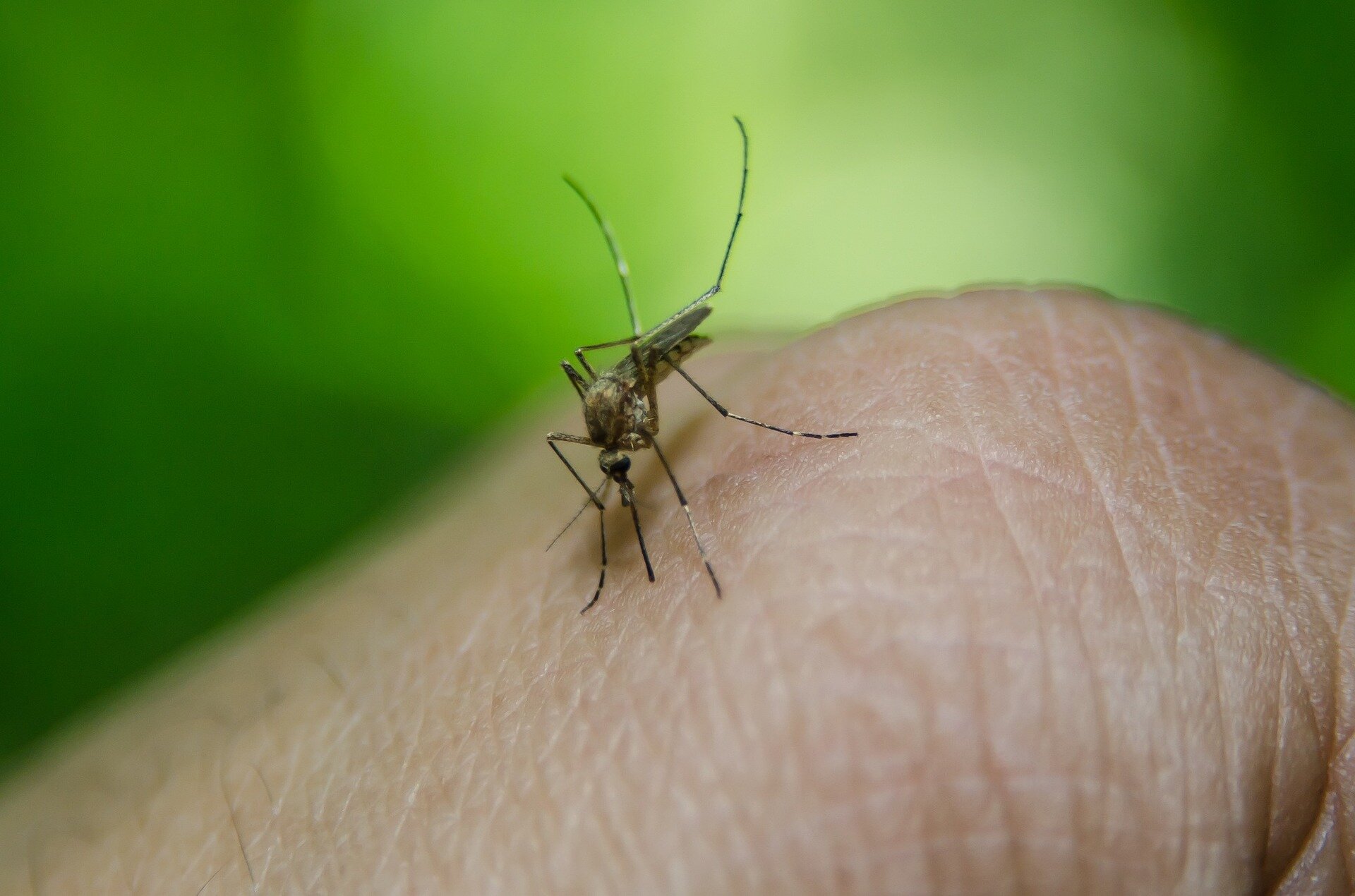
One of the clearest signals in the commentary is the reference to the Asian tiger mosquito being detected in the southernmost part of Ontario. That species is notable because it can carry diseases including dengue and chikungunya. The presence of the mosquito does not automatically mean large outbreaks are imminent, but it does change the range of plausible scenarios that health professionals must consider.
Historically, many Canadian clinicians would treat dengue or chikungunya mainly as travel-related infections. The commentary suggests that this distinction may become less secure if competent vectors establish themselves locally and climatic conditions support transmission. In that case, summer-time vigilance at home becomes more important, not just pre-travel advice.
The authors recommend that clinicians counsel patients on precautions during travel and in domestic summer conditions. That advice reflects a transition from imported risk toward blended risk, where infections can be associated with travel, local exposure, or both. Public messaging will need to evolve accordingly.
Case reports underscore the diagnostic challenge
The commentary appears alongside two related CMAJ articles offering clinical examples of Rocky Mountain spotted fever and tick-borne spirochetosis. Those companion pieces matter because they illustrate how climate-linked disease emergence affects everyday medical practice. Some illnesses may be new to a region, while others are rare enough to be overlooked or mistaken for more familiar conditions.
That diagnostic difficulty is a core concern. Emerging vector-borne diseases can present with non-specific symptoms, overlap with other infectious syndromes, and sit outside the default mental checklist of clinicians who have not encountered them often. Delayed recognition can mean delayed treatment, more severe illness, and weaker surveillance data.
The authors’ call for physicians to maintain a high index of suspicion reflects this problem directly. Climate-sensitive disease is not just an environmental issue. It is a pattern-recognition issue inside clinics, emergency rooms, and public health systems.

Why the warning extends beyond Canada
Although the commentary is focused on Canada, its implications are wider. Countries in temperate zones have often treated vector-borne disease expansion as something happening elsewhere or later. Canada’s case shows how quickly that posture can become outdated when warming reshapes local ecology.
The public health challenge is not only that more pathogens may move north. It is that health systems built around older risk maps must adapt faster than they were designed to. Surveillance programs may need expansion. Clinicians may need updated training. Diagnostic testing practices may need revision. Advisories for outdoor activity, travel, and seasonal exposure may need to become more specific and more common.
The issue also cuts across institutions. Front-line physicians can recognize individual cases, but they depend on coordinated reporting, lab capacity, entomological monitoring, and public communication to translate isolated signals into actionable response. Climate-driven disease emergence is therefore both a clinical and systems-level problem.
Preparedness now means ecological literacy
The commentary’s most valuable contribution may be its insistence that climate change be treated as a present clinical variable, not simply a long-term policy topic. For many healthcare settings, that requires a cultural adjustment. Environmental shifts have to be integrated into diagnostic reasoning and patient counseling in a more routine way.
That does not mean every summer fever in Canada should trigger alarm about exotic pathogens. It does mean clinicians should be more attentive to geography, exposure history, seasonality, vector presence, and unusual symptom patterns. The threshold for considering once-rare diseases may need to change.
Patients, too, are part of the preparedness equation. Public awareness about ticks, mosquitoes, travel precautions, and changing regional risks can reduce exposure and speed up care-seeking. In a warming climate, prevention will depend not only on medicine and public health infrastructure, but also on whether people understand that the disease environment around them is changing.
The CMAJ warning is measured rather than sensational. It does not claim that Canada is on the verge of universal tropical disease spread. Its point is narrower and more useful: climate change is already increasing infectious disease risk, and physicians should adjust now. In public health, that is often the difference between a manageable shift and a destabilizing surprise.
This article is based on reporting by Medical Xpress. Read the original article.

Originally published on medicalxpress.com
