在巴西自由市场中,直接持有在财务上颇具吸引力
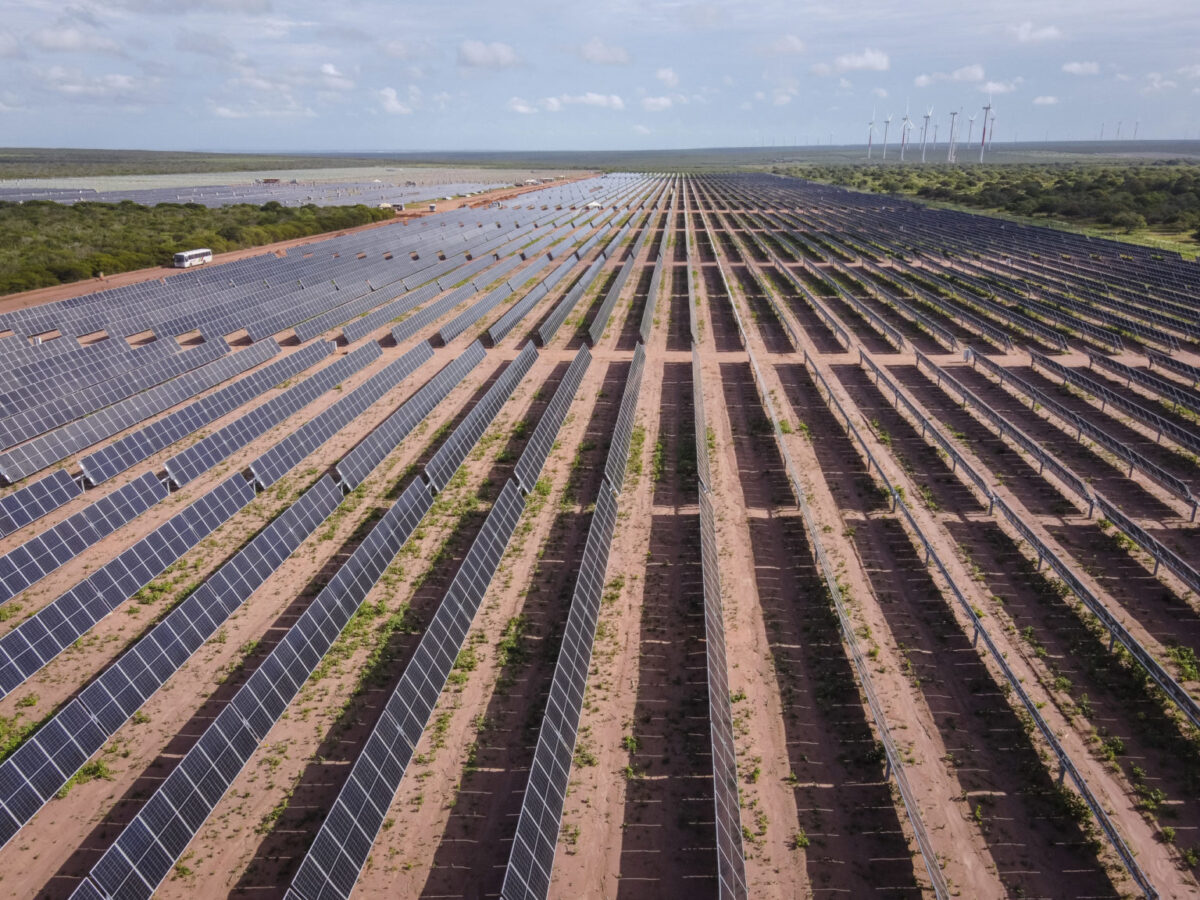
一项聚焦巴西自由合同环境的新研究表明,大型工业消费者通过太阳能自发电削减电力成本的幅度,可能比通过长期购电协议(PPA)更大。根据所提供的源文本,来自塞阿拉联邦大学和若昂-德雷联邦大学的研究人员比较了PPA与自生产模式,发现直接投资光伏电站提供了最高的节省潜力。
这一核心数字相当引人注目。候选元数据称,太阳能自发电最多可带来32.9%的节省。对于能源密集型企业来说,这样的成本降幅足以改变采购策略、资本规划和风险承受能力。它也进一步说明,分布式和专用可再生能源发电已经从可持续发展附加项,转变为一种金融工具。
论文并未将自发电描述为一种简单或普遍更优的选择。源文本强调,尽管直接投资可以带来强劲回报,但也会让买方面临更大风险。这种权衡正是这则报道的核心。
PPA与自生产的比较不只是定价问题
购电协议之所以仍具吸引力,是因为它们可以将大部分开发和运营复杂性转移给第三方。大型消费者可以获得可再生能源,并在一定程度上获得价格结构,而不必一定承担融资、建设和运营发电资产的全部负担。
自生产则改变了这一关系。在所提供文本描述的框架中,消费者自行融资、建设并运营自己的太阳能电站。潜在回报是更高的节省,代价则是对项目表现、资本成本、电价波动和政策风险承担更大敞口。
研究人员还考察了其他自发电结构,包括匹配和租赁方案。这一点很重要,因为市场很少只是“完全持有”和“标准长期合同”之间的二选一。企业往往希望采用兼顾控制权与风险转移的混合方式。
监管设计似乎是关键的变化因素
所提供文章最清晰的结论之一是,监管豁免会显著改善项目经济性。换句话说,巴西自发电的吸引力不仅取决于组件成本或太阳能资源质量,政策设计也具有实质性影响。
这在清洁能源市场中是一个反复出现的模式。一个在某种监管框架下看起来颇具吸引力的项目,如果费用发生变化、豁免到期,或电网使用规则调整,就可能变得不那么划算。源文本明确指出,自发电仍然对成本、市场价格以及可能影响长期可行性的政策变化十分敏感。
这一警告削弱了研究中最强烈的“支持持有”解读。结果表明,自发电可以优于PPA,但并不意味着它始终如此。经济优势取决于部分技术性、部分政治性的假设。
为何这一点超出单一国家研究的意义
巴西之所以重要,是因为它兼具庞大的工业基础、正在演变的自由合同电力市场,以及强劲的太阳能潜力。当研究人员发现直接投资太阳能可以胜过合同采购时,这一结果便不再只局限于某个国家背景,而是映射出大型买家思考电力方式的更广泛转变。
多年来,企业清洁能源战略往往围绕采购承诺和外部合同来构建。而巴西研究强调的是一种更深层的运营趋势:大型消费者可能会越来越将能源资产本身视为管理成本的战略工具。
这并不会消除PPA的作用,而是提高了它们的门槛。如果在某些情境下,持有资产能够带来显著更大的节省,那么合同结构就不仅要在价格确定性上竞争,还要在简便性、降低敞口和资产负债表效率方面竞争。
真正的选择是节省与敞口之间的权衡
所提供源文本将自发电描述为回报上限最高、但同时敞口更大的路径。这或许是解读这些发现时最有用的方式。直接投资可以带来更强的财务结果,尤其是在监管条件有利时,但也会把风险集中在电力消费者手中。
对于一些工业买家来说,这可以接受。他们可能拥有足够的资本基础、规划周期和能源需求结构,足以证明持有资产的合理性。对另一些买家而言,PPA仍可能是更合适的选择,因为它能限制不确定性,即使这意味着会留下一部分节省空间。
这项研究更广泛的意义在于,它将可再生能源采购重新框定为一系列财务和运营选择,而不是一个简单的“绿色与传统”决策。在巴西市场中,至少在所研究的假设条件下,自持太阳能发电可能是最经济的选项。但这种优势并不是脱离监管、价格条件以及承担长期风险意愿而存在的。
本文基于 PV Magazine 的报道。阅读原文。
Originally published on pv-magazine.com