A once-buried movie is back in public view

One of the strangest recent stories in Hollywood is moving into a new phase. The first trailer for Coyote vs. Acme has arrived, putting real release momentum behind a film that Warner Bros. shelved in 2023 before Ketchup Entertainment later acquired the rights. Gizmodo’s reaction to the footage is straightforward: this looks like a movie audiences may be genuinely excited to see, and its return already feels like a win.

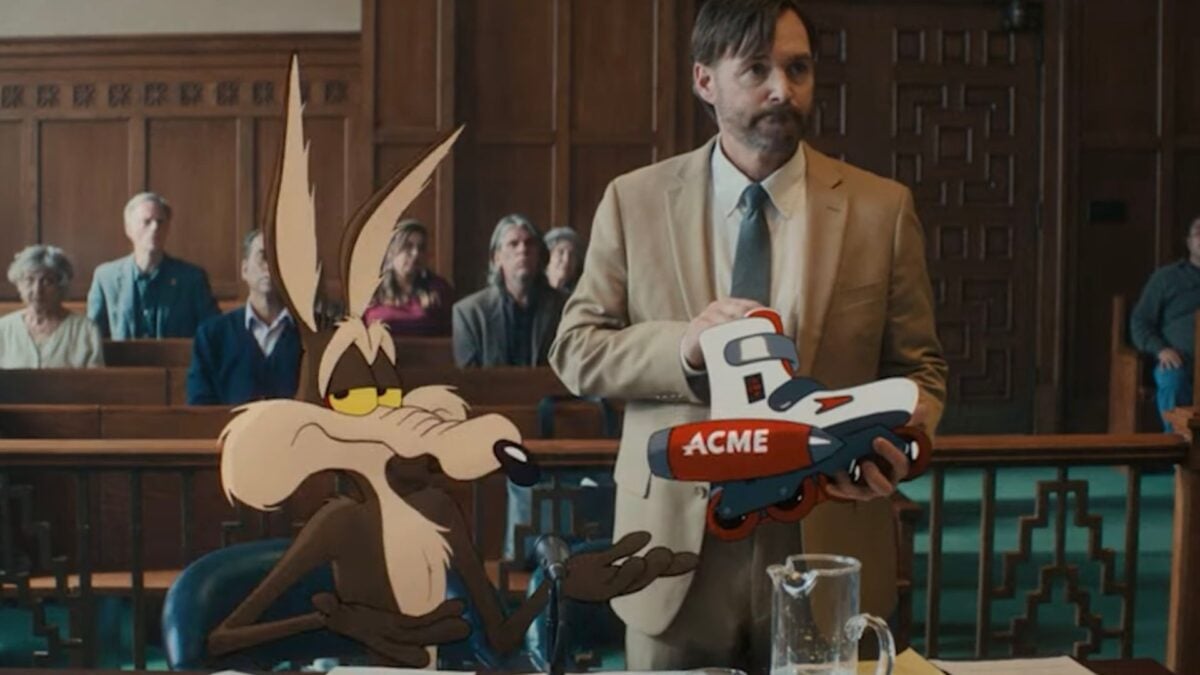
The basic setup is elegantly absurd in a way that fits the Looney Tunes legacy. Wile E. Coyote, after decades of failed Acme purchases in pursuit of the Road Runner, hires a lawyer named Kevin Avery, played by Will Forte, to sue the corporation. John Cena plays Acme’s lawyer, with Lana Condor also starring. Directed by Dave Green, the project turns one of animation’s most familiar recurring gags into a meta legal-comedy premise that is simple enough for broad audiences and strange enough to stand out.

The trailer changes the conversation

Until now, the movie’s public identity has been dominated by the story of its shelving. That kind of behind-the-scenes narrative can overwhelm the work itself, especially when a completed or nearly completed film becomes shorthand for studio cost-cutting, strategic retreat or creative indifference. A trailer shifts attention back toward the on-screen result. It gives audiences something concrete to judge.

Gizmodo’s response suggests the footage does exactly that. The site highlights the cross-generational appeal of the package: live-action stars, iconic cartoon characters, a self-aware premise and broad visual comedy. Whether the finished film ultimately delivers on that promise is still an open question, but the trailer appears to make the original decision not to release it look harder to defend.

A film shaped by its own backstory

The cultural interest here extends beyond nostalgia. Coyote vs. Acme now arrives carrying the weight of its production history. In a media environment where audiences are increasingly aware of studio strategies, tax write-down controversies and platform reshuffling, a rescued film can become a symbol. It is not just a family comedy anymore. It is also an example of how a project written off by one corporate owner can be revived and marketed as an event precisely because it was once suppressed.

That dynamic may work in the movie’s favor. Gizmodo notes that the marketing smartly plays with the real-life situation, effectively turning Acme into a stand-in for the sort of corporate force that tried to keep the film off screens. That meta angle gives the campaign a built-in hook: the audience is not only invited to watch the movie, but to participate in the idea of a film surviving the kind of treatment its own premise mocks.

Why Looney Tunes still works

There is also a simpler reason the trailer matters. Looney Tunes characters remain culturally durable because the underlying comic language is clear, physical and adaptable. Wile E. Coyote and the Road Runner are built on repetition, escalation and inevitable failure, all of which translate well into new formats when handled with confidence. A courtroom story built on decades of defective Acme gadgets is a natural extension of that logic.

That may be why the trailer’s basic concept lands so quickly. It does not need elaborate explanation. Audiences already understand the grievance. They have watched the evidence accumulate for generations. The movie’s hook is effectively the punchline to a joke that has been running for decades.

The stakes of release

Coyote vs. Acme is set for theatrical release on August 28, according to the report. Between now and then, the key test will be whether curiosity rooted in the film’s troubled history converts into broad ticket-buying interest. The trailer helps because it gives supporters more than an abstract cause. It offers visible proof that the film may actually be entertaining on its own terms.

That distinction matters. Audiences might rally around the idea of a “saved” movie for a news cycle, but sustained momentum usually depends on whether the thing itself looks appealing. Gizmodo’s take is that it does. If that view proves widely shared, Coyote vs. Acme could end up doing more than escaping the vault. It could become a pointed reminder that some projects gain value precisely because the industry initially failed to recognize what it had.

This article is based on reporting by Gizmodo. Read the original article.