Waymo Buys Apple's Former Self-Driving Test Track
Apple's ambitious self-driving car project, Project Titan, may be dead, but its former testing grounds will live on under new ownership. Waymo, the autonomous vehicle company owned by Alphabet, has acquired the 5,500-acre proving ground in Wittmann, Arizona, that Apple once used to test its prototypes. According to Maricopa County filings, Waymo paid $220 million for the site, purchasing it from Route 14 Investment Partners, a shell company linked to Apple. Route 14 had bought the property for $125 million in 2021, just before Apple ultimately canceled its multibillion-dollar car project. Now, those same roads will be driven by Waymo's fleet of robotaxis.
A State-of-the-Art Testing Facility
The Arizona proving ground is no ordinary piece of land. Waymo described the facility as including a 115-acre city course, a 35-acre vehicle dynamics area, a four-mile oval track, and a freeway course specifically designed for autonomous vehicle testing. This controlled environment will allow Waymo to simulate a wide range of driving scenarios to test and improve its autonomous driving system, known as Waymo Driver. Testing at the site will include rider-only operations, motion control testing, and operational training workflows. The acquisition makes this Waymo's third proving ground, joining existing sites in California and Ohio.
Expanding Robotaxi Operations
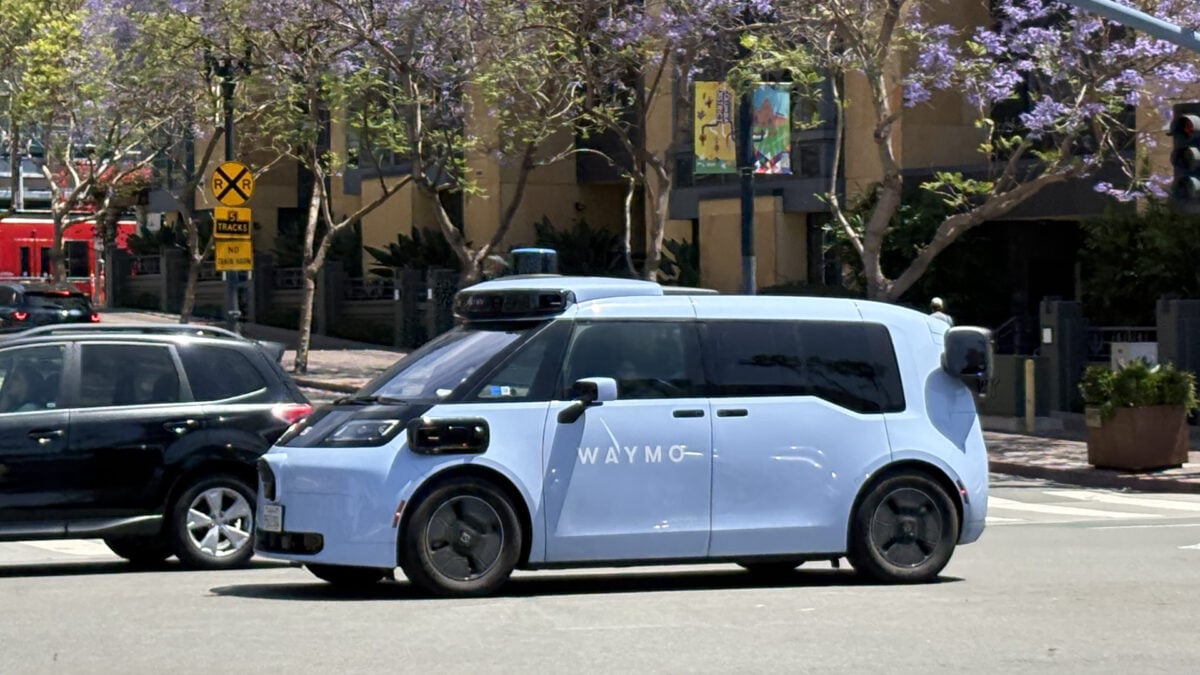
The purchase comes at a time of rapid expansion for Waymo. The company recently announced that its coverage area will soon span more than 1,400 square miles across 11 cities. In a bold comparison, Waymo noted that its service area will eventually be larger than the entire state of Rhode Island, which covers roughly 1,200 square miles. To support this growth, Waymo is scaling up its robotaxi fleet. Earlier this year, the company revealed plans to expand production at its Phoenix-area factory to tens of thousands of vehicles per year. Additionally, Waymo has begun allowing employees and guests to take trips in vehicles powered by its sixth-generation autonomous driving system. This latest version of Waymo Driver is deployed in the new Ojai robotaxis, which are built on base vehicles supplied by Chinese automaker Geely. The system is designed to be vehicle-agnostic, currently operating in the Ojai taxis and Hyundai Ioniq 5 SUVs. Waymo's existing fleet of Jaguar I-Pace vehicles continues to run on fifth-generation technology, but the company received its final delivery of I-Pace cars last year.
Second Life for Old Batteries
Beyond its robotaxi expansion, Waymo is also focusing on sustainability. Last week, the company announced a new partnership with B2U Storage Solutions to repurpose its old electric vehicle batteries. These retired batteries will be used to help stabilize power grids, giving them a second life rather than sending them to landfills. This initiative aligns with Waymo's broader commitment to reducing its environmental footprint as it scales its operations.
Implications for the Autonomous Vehicle Industry
Waymo's acquisition of Apple's former proving ground underscores the shifting landscape of the autonomous vehicle industry. While Apple's multibillion-dollar investment in Project Titan ultimately failed to produce a commercial product, Waymo is capitalizing on the infrastructure left behind. The $220 million price tag represents a significant investment, but for Waymo, the value lies in the facility's specialized design for autonomous testing. As the company continues to expand its robotaxi services across more cities, having dedicated proving grounds will be crucial for ensuring safety and reliability. The move also signals Waymo's long-term commitment to leading the self-driving car race, even as competitors like Cruise and Tesla face regulatory hurdles and technical challenges.
What This Means for Arizona
Arizona has become a hub for autonomous vehicle testing, thanks in part to favorable regulations and a climate conducive to year-round testing. Waymo already operates a large presence in the state, including its Phoenix-area factory. The addition of the Wittmann proving ground will further cement Arizona's role as a key location for self-driving technology development. The site's existing infrastructure, including the city course and freeway track, will allow Waymo to conduct complex testing without needing to build from scratch. This could accelerate the deployment of its sixth-generation system and help the company meet its ambitious expansion targets.
Conclusion
Waymo's purchase of Apple's former proving ground is a strategic move that repurposes a relic of a failed project into a cornerstone of future growth. With a state-of-the-art facility, expanding fleet, and new battery recycling initiatives, Waymo is positioning itself for the next phase of autonomous vehicle deployment. As the company races to cover more than 1,400 square miles and produce tens of thousands of robotaxis, the Arizona proving ground will be a vital asset in ensuring its technology is safe, reliable, and ready for widespread use.
This article is based on reporting by Gizmodo. Read the original article.
Originally published on gizmodo.com