U.S. Inventory Snapshot: June 1, 2026
As of June 1, 2026, the U.S. automotive market shows a mixed picture for new car and light-truck inventories. According to data from Automotive News, total unit inventories and days' supply vary significantly across automakers, reflecting ongoing supply chain adjustments and shifting consumer demand. The data covers manufacturers that report monthly sales and inventory figures, providing a crucial benchmark for dealers, analysts, and industry stakeholders.
Key Metrics: Unit Inventory and Days' Supply
Days' supply, a measure of how long current inventory would last at the current sales rate, is a critical indicator of market health. A balanced market typically hovers around 60 days. The June 1 data reveals that some automakers are above this threshold, indicating ample stock, while others remain below, suggesting continued tight supply for certain models. Unit inventory numbers range from tens of thousands to over a hundred thousand for the largest players.
Automaker Breakdown
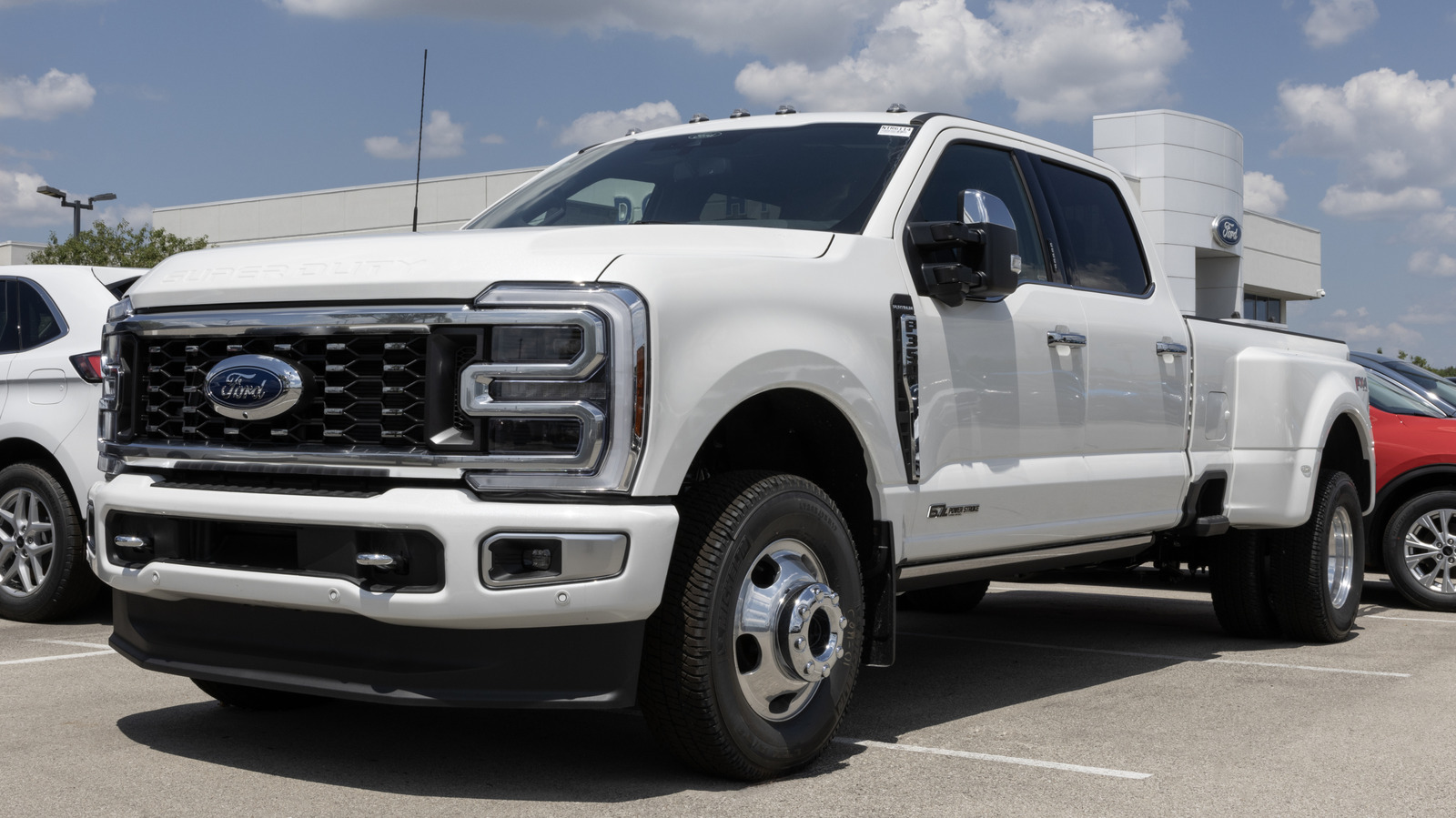
General Motors (GM) reported a substantial inventory, with over 500,000 units on hand, translating to a days' supply of approximately 65 days. This positions GM slightly above the industry average, reflecting its efforts to rebuild stock after previous shortages. Ford Motor Company showed similar figures, with around 480,000 units and a days' supply of 62 days. Toyota Motor North America, known for its lean inventory strategy, reported roughly 250,000 units and a days' supply of 45 days, indicating continued strong demand relative to supply.
Stellantis, facing quality issues as highlighted in recent columns, had about 350,000 units with a days' supply of 70 days, suggesting a buildup that may be linked to slower sales. Hyundai and Kia, which have been gaining market share, reported combined inventories of 180,000 units and a days' supply of 50 days. Honda and Nissan each showed around 200,000 units, with days' supply at 55 and 58 days, respectively.
Implications for the Market
The inventory data comes amid broader industry trends. Automakers are grappling with the transition to electric vehicles (EVs), as seen with Mitsubishi's upcoming Eclipse Sportback EV and GM's investment in sodium-ion batteries for grid storage. Additionally, Chinese automakers maintain a small but stealthy presence in the U.S., as reported by Richard Truett. These dynamics influence inventory levels, as manufacturers balance production of traditional internal combustion engine vehicles with new EV models.
For dealers, the days' supply figures are actionable. A high days' supply may lead to increased incentives and discounts to move inventory, while a low days' supply could mean fewer deals for consumers. The overall market appears to be stabilizing after years of volatility caused by semiconductor shortages and pandemic disruptions.
Regional Variations
While national data provides a broad view, regional differences are significant. The South and Midwest tend to have higher truck inventories, while the West Coast sees more compact cars and EVs. Automotive News notes that the data reflects only those automakers that report monthly, excluding some luxury brands that report quarterly. This limitation means the full picture may be slightly different.
Outlook for Summer 2026
As the summer selling season begins, inventory levels will be closely watched. Automakers are expected to continue adjusting production schedules to align with demand. The introduction of new models, like Mitsubishi's Eclipse Sportback, could shift inventory dynamics. Meanwhile, the push for EVs and grid storage solutions, as highlighted by GM's sodium-ion battery project, may influence future inventory composition.
In summary, the June 1, 2026 inventory data shows a market in transition, with most major automakers holding adequate stock but facing divergent challenges. The days' supply figures suggest that while some brands are well-positioned, others may need to recalibrate their strategies to avoid excess inventory or missed sales opportunities.
This article is based on reporting by Automotive News. Read the original article.
Originally published on autonews.com