A Strategic Pivot for Ford's Battery Ambitions
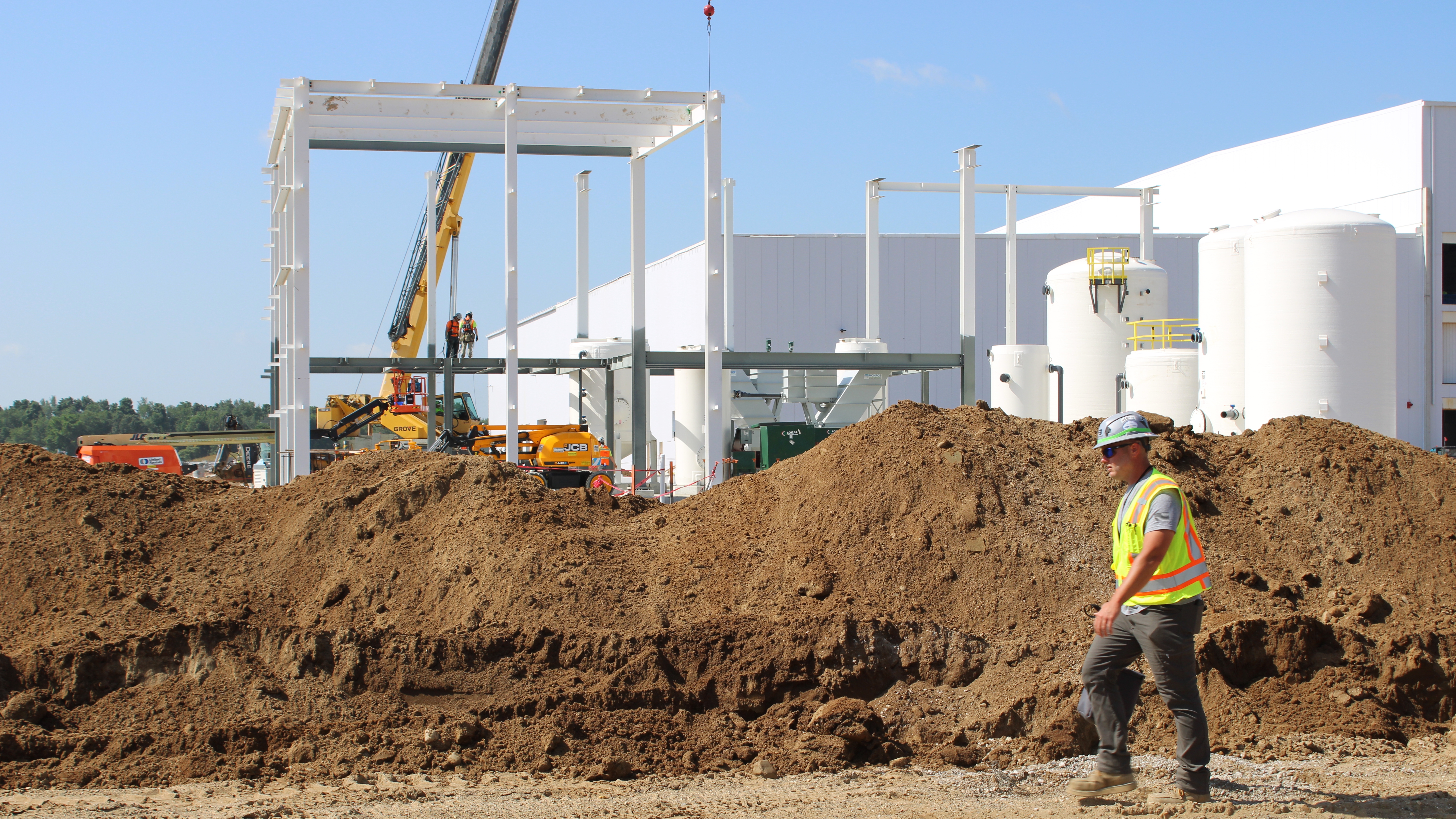
Ford Motor Company is reportedly reconsidering the purpose of its planned Kentucky battery manufacturing facility, with the automaker exploring a shift from electric vehicle battery production to grid-scale energy storage systems. The potential pivot represents a significant recalibration of Ford's battery strategy amid changing market dynamics.
The Kentucky plant was originally announced as a cornerstone of Ford's electric vehicle manufacturing push, designed to produce batteries for the company's growing lineup of electric trucks and SUVs. However, evolving market conditions and competitive pressures have prompted the company to evaluate alternative uses for the facility.
Why Energy Storage
The grid-scale energy storage market has been growing rapidly, driven by the expansion of renewable energy sources like wind and solar that require battery systems to store excess generation for use during periods of low production. Utilities, grid operators, and commercial customers are investing billions in battery storage systems to improve grid reliability and enable further renewable energy deployment.
For Ford, redirecting battery manufacturing capacity toward energy storage could tap into this growing market while leveraging the same lithium-ion battery technology planned for vehicle applications. The fundamental chemistry and manufacturing processes overlap significantly, meaning a facility designed for EV batteries could potentially be adapted for stationary storage with relatively modest modifications.
Market Pressures
The pivot consideration comes as the EV market faces headwinds that have caused several automakers to reconsider their electrification timelines. Consumer demand for electric vehicles, while growing, has not matched the most optimistic projections that automakers used when planning massive battery factory investments.
At the same time, competition in EV battery manufacturing has intensified dramatically. Chinese battery manufacturers, particularly CATL and BYD, have achieved cost structures that are difficult for new entrants to match. Ford's battery costs have been a drag on the profitability of its electric vehicle division, which has reported significant losses.
The Kentucky Facility
The Kentucky battery plant represents billions of dollars in planned investment and was expected to create thousands of manufacturing jobs in the state. Any change in the facility's mission would have significant implications for the local economy and for Ford's relationship with state and federal officials who provided incentives based on the original EV battery plan.
Ford has been careful to frame any changes as optimization rather than retreat. The company has emphasized that battery technology is central to its future regardless of whether the primary application is vehicle propulsion or grid storage. Both markets require the same fundamental manufacturing capabilities.
Industry Trend
Ford is not the only automaker reconsidering large battery manufacturing investments. Several planned battery factories across the US and Europe have been delayed, downsized, or repurposed as the economics of the EV transition have proven more complex than initially anticipated.
The energy storage market, by contrast, has continued to exceed growth expectations. The US installed record amounts of battery storage capacity in 2025, and projections for 2026 and beyond show continued rapid growth. This market trajectory makes energy storage an increasingly attractive alternative for battery manufacturing capacity.
What This Means for Ford's EV Strategy
A pivot to energy storage does not necessarily mean Ford is abandoning its electric vehicle ambitions. The company could source EV batteries from partner manufacturers while using its own facilities for the stationary storage market. This approach would reduce Ford's exposure to the volatile EV battery market while still participating in the broader clean energy transition.
The decision also reflects a maturing understanding of where value can be captured in the battery industry. Rather than competing head-to-head with established Asian battery manufacturers on cost, Ford may find better margins and more predictable demand in the energy storage segment, where relationships with utilities and grid operators play a larger role than pure manufacturing cost.
This article is based on reporting by Automotive News. Read the original article.
Originally published on autonews.com