Cuba's fuel crisis has moved from the pump to the queue
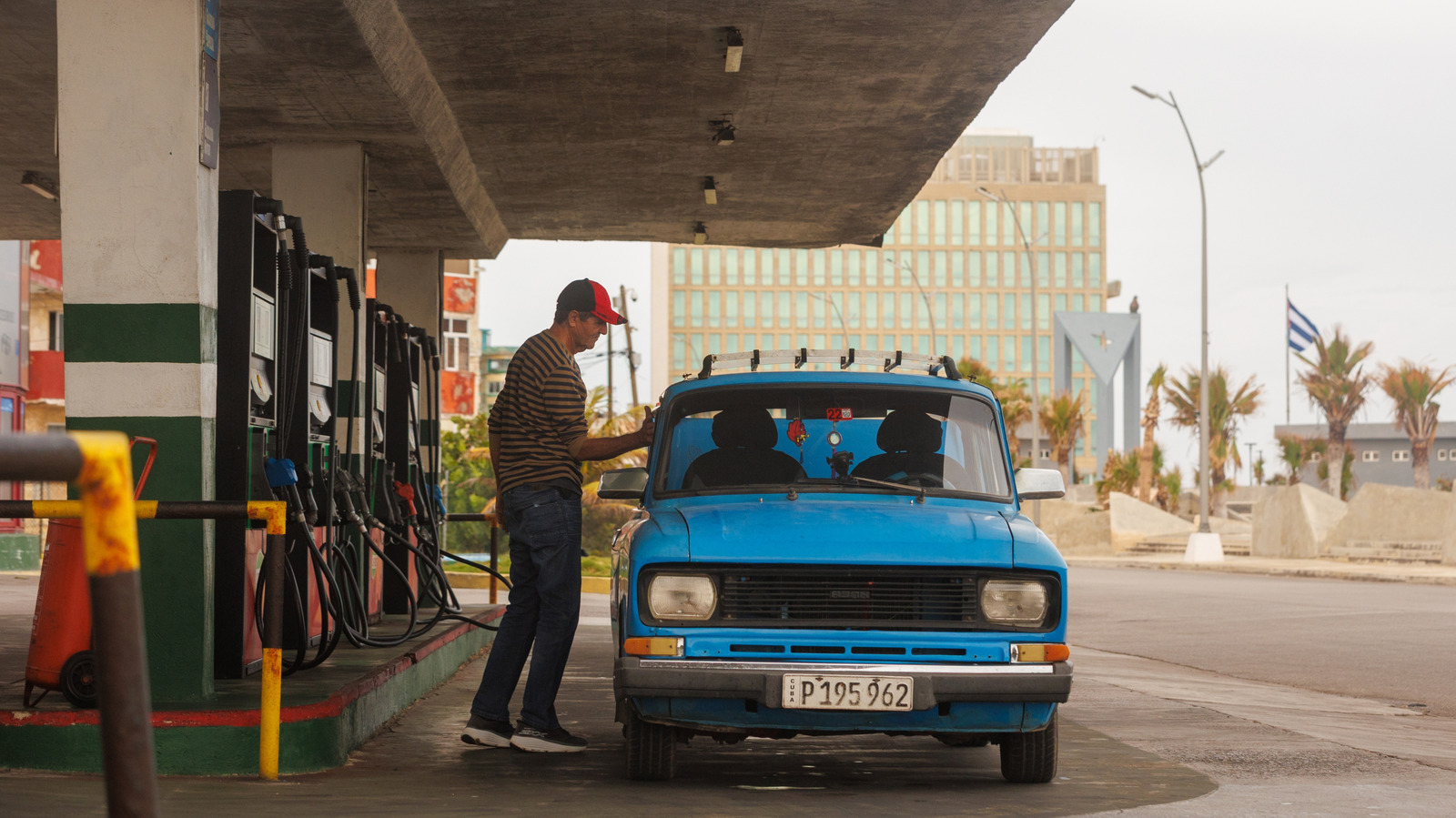
Cuba's gasoline shortage has become severe enough that access to fuel is being rationed through an app, with some residents waiting months for the chance to buy only a small amount. Jalopnik's report describes a country operating with less than half of its normal oil supply and using a system called Ticket to manage appointments at gas stations.
The result is a shortage that is not just visible in lines on the street, but in digital backlogs. The article says users have been placed in queues numbered in the tens of thousands, turning fuel access into an administrative contest as much as a supply problem.
Why the shortage has deepened
The report links the current crunch to new U.S. sanctions imposed by President Trump in January. According to the article, the sanctions placed tariffs on products from countries that work with Cuba in delivering oil. Cuban officials, the article says, view the move as part of a broader effort to pressure political change.
Whatever the geopolitical argument, the practical effect described in the source is stark. Cuba depends heavily on imported fuel and can produce only about 40 percent of what it consumes. When imports tighten, both transportation and the power grid suffer.
The article says the shortage has contributed to blackouts lasting as long as 20 hours a day. That detail shows why this is bigger than a motorists' story. Fuel scarcity is spilling across basic infrastructure.
How the Ticket system works
Cuba's response, according to the report, has been to route fuel demand through a mobile app that assigns appointments at specific gas stations. But the system is constrained from the start. Users can register for only one station, and a station may have roughly 90 appointments a day.
That means success depends partly on guessing which station will have lower demand. The report says WhatsApp groups have emerged to help users identify locations where the queue might be shorter. Even then, the reward can be limited. The article frames the payoff not as a full tank, but as a small quantity after a long wait.
That combination of scarcity, digital bottlenecks, and uncertain outcome gives the story its real force. The state has not merely rationed fuel. It has turned fuel access into a monitored queueing process in which time, information, and luck all matter.
A transportation story with wider consequences
Shortages on this scale affect more than individual mobility. In a country where fuel is essential to moving people, goods, and services, a prolonged disruption compounds economic fragility. If drivers cannot reliably obtain gasoline, work routines, supply deliveries, and informal market activity all come under pressure.
The article also underscores how energy stress reshapes everyday behavior. Residents are not simply lining up earlier. They are adapting to a digital rationing system, coordinating through messaging apps, and planning around the possibility that their turn may still yield very little.
That is a sign of deep supply dysfunction. Normal markets fluctuate. Crisis systems force people to compete for appointments.
What this says about modern scarcity
The Cuba story is notable because it blends old and new forms of shortage. The underlying issue is a familiar one: not enough fuel. But the management layer is modern, with app registration, queue positions, and online coordination shaping who gets access and when.
That does not make the crisis more efficient in any human sense. It simply changes the form of waiting. Instead of standing only at the pump, people now wait in software first and at the station second.
The supplied source presents a country where fuel scarcity has become systemic enough to distort both transport and daily life. When a few gallons of gas require months of digital patience, the shortage is no longer temporary inconvenience. It is a structural condition.
- Cuba is described as operating with less than half of its normal oil supply.
- The Ticket app is being used to assign gas station appointments.
- Some users reportedly enter queues in the tens of thousands for limited fuel access.
- The shortage is also affecting the power grid, with blackouts lasting up to 20 hours a day.
This article is based on reporting by Jalopnik. Read the original article.
Originally published on jalopnik.com