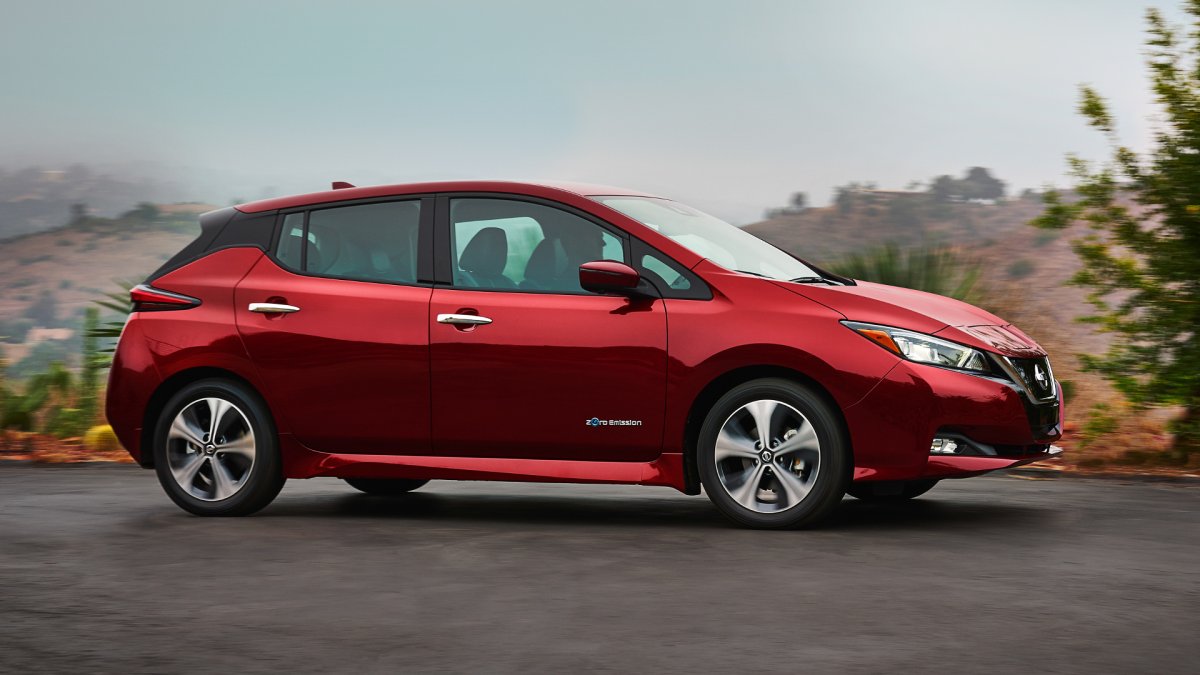
Colorado moves EV battery recycling from aspiration to obligation
Colorado has enacted what the supplied source describes as the first U.S. law of its kind for end-of-life electric vehicle batteries, shifting the conversation around battery recycling from broad industry ambition to concrete legal responsibility. Signed by Governor Jared Polis, the Promoting Responsible End-of-Life Management of Electric Vehicle Batteries Act requires automakers to take responsibility for batteries that cannot be reused and to prove that recovery is actually happening.
That matters because battery recycling has long been discussed as a strategic necessity for the EV transition, but discussion alone does not build a collection system, create accountability, or ensure materials are recovered at meaningful rates. The law tackles those gaps directly. Under the framework described in the source, automakers must reuse or recycle battery packs in their possession and also handle batteries coming from third parties. When an EV ultimately reaches a junkyard, the manufacturer will have to collect the battery free of charge and arrange either recycling or a second-life use, such as stationary energy storage.
The immediate policy significance is simple: Colorado is assigning ownership of the problem. Instead of leaving end-of-life packs to a fragmented chain of scrapyards, dismantlers, consumers, and recycling startups, the state is placing the core burden on companies that put the batteries into the market in the first place. That approach could become a model for other states if regulators conclude that voluntary programs are too slow or too uneven.
Material recovery targets raise the bar
The law is not limited to collection. It also sets recovery thresholds for key battery materials. According to the source, recycled batteries must yield 90% of nickel and cobalt and 50% of lithium in intermediate form, with the lithium threshold rising to 80% in 2031. The article notes that this intermediate stage is often called black mass, before full separation of materials occurs.
Those targets matter because they push the industry toward measurable performance rather than symbolic participation. A battery can be said to be “processed” without much value being recovered, but recovery targets force attention onto output. The source also says the law effectively rules out smelting because it generates higher emissions while recovering fewer materials. In policy terms, that suggests Colorado is not only demanding recycling, but shaping what kind of recycling it considers acceptable.
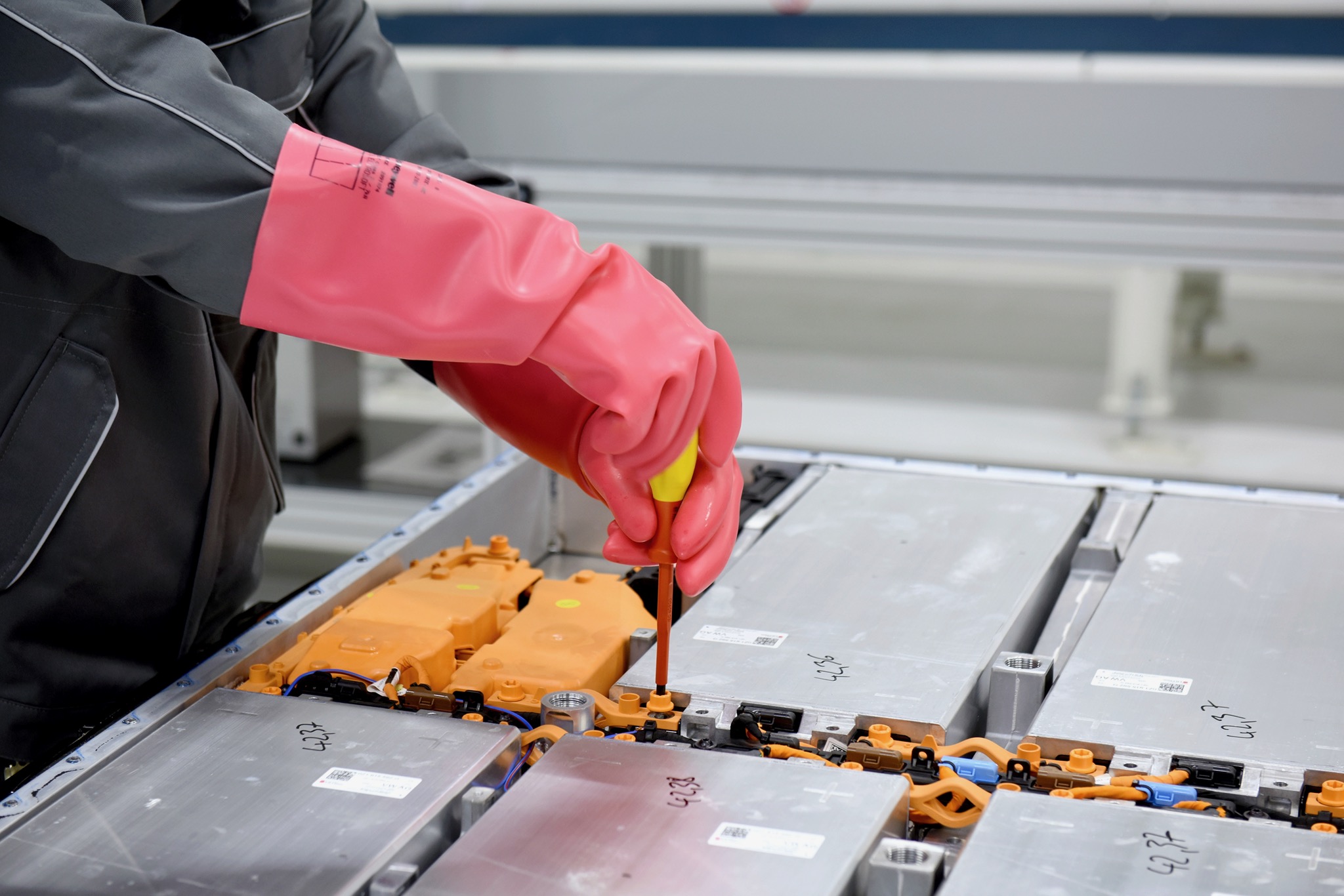
Reporting requirements reinforce that point. Automakers will have to tell the state how many batteries were recovered, what rates of materials were harvested, and other operating metrics. That reporting turns an environmental promise into something regulators can audit. In practice, it also creates data that other states, recyclers, and manufacturers will watch closely.

Battery information becomes part of the infrastructure
Another notable element in the measure is the requirement that new batteries carry essential information including chemistry, capacity, hazardous substances, and recall details. Battery health information must also be made available to third parties so users can better judge whether a pack should be repurposed or recycled.
This may look procedural, but it addresses a real bottleneck. End-of-life handling becomes far easier when downstream operators know what they are receiving. A labeled battery with accessible health data is more likely to be sorted correctly, routed to an appropriate second-life application, or processed efficiently by a recycler. Without that information, reuse decisions are harder, recycling costs rise, and safety risks can increase.
The policy therefore does more than assign responsibility. It helps create the informational backbone needed for a functioning battery recovery market. That is especially relevant for a sector where chemistries differ, performance degrades unevenly, and residual value can vary widely from one pack to another.
Why timing matters
The source notes that obtaining enough used batteries has been a major challenge for large-scale recycling. Research cited in the article predicted in 2021 that there would not be enough used batteries to support large-scale recycling until 2030, and that slower EV sales tied to Trump administration policies could push that date back further. In other words, the economics of recycling depend not just on technology, but on feedstock volume.
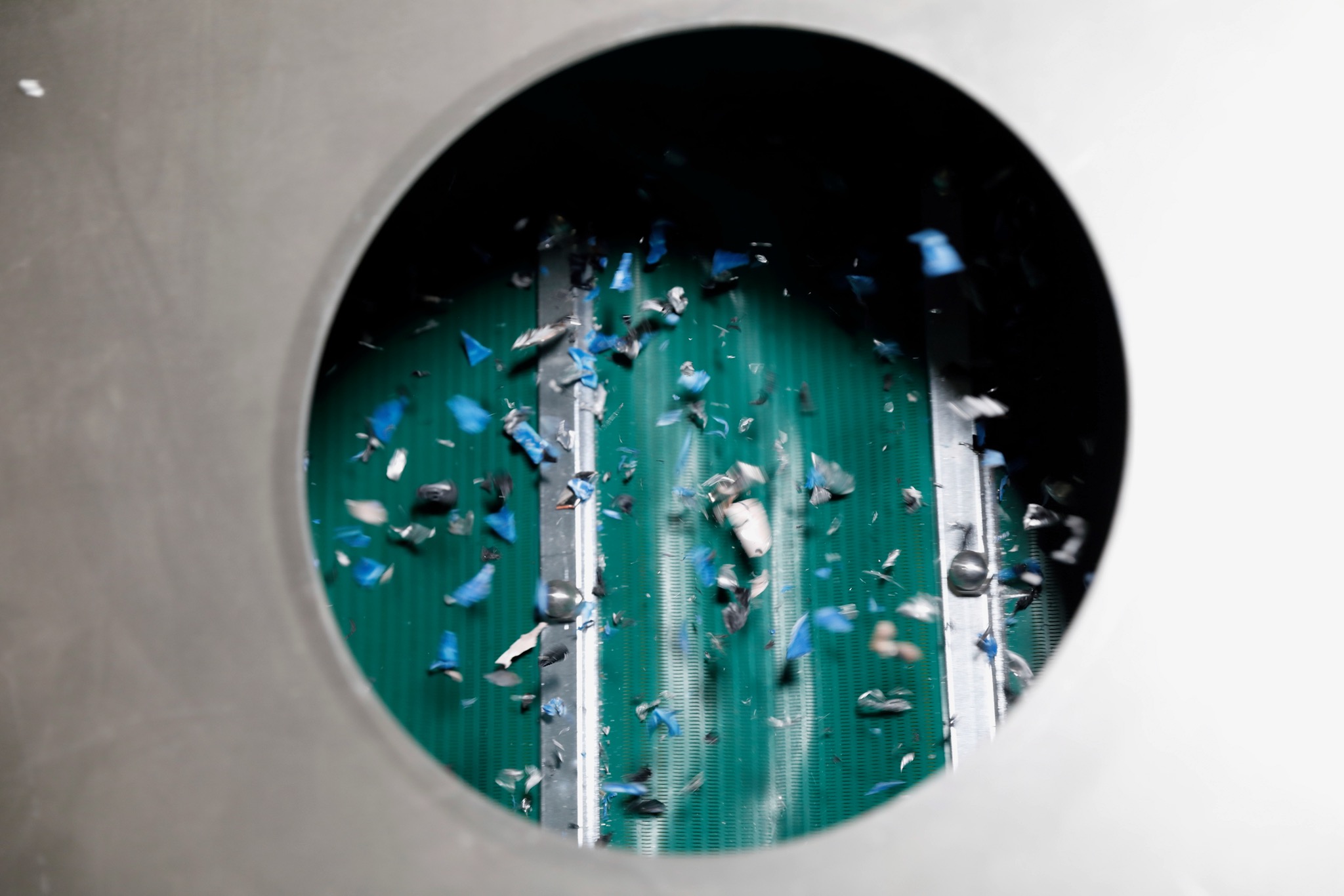
Colorado’s law does not solve that supply problem on its own, but it does create a firmer collection pathway for the batteries that do reach end of life. It also sends a clear signal that states may not wait for perfect market conditions before imposing rules. For automakers, that means battery strategy increasingly extends beyond manufacturing, vehicle range, and charging. End-of-life compliance is becoming part of the business model.
There is also a broader industrial angle. If more jurisdictions follow Colorado’s lead, manufacturers may favor more standardized tracking, labeling, and battery recovery partnerships across the U.S. That could accelerate investment in domestic recycling capacity and in systems that identify whether a battery should be reused, repurposed, or dismantled.

A precedent other states will study
What makes the Colorado law notable is not just that it promotes recycling. It embeds responsibility, targets, disclosure, and decision-useful battery information into a single framework. That is a more mature policy posture than simply encouraging greener practices.
The EV sector has often presented battery recycling as an eventual strength of electrification. Colorado is treating it as an operational requirement now. If the law works as intended, it could become an influential precedent for how states govern the full life cycle of electric vehicles, from sale to disposal to material recovery.
For consumers, the practical promise is that unwanted batteries should be less likely to fall through the cracks. For automakers, the message is more demanding: battery stewardship does not end when a vehicle leaves the lot. In Colorado, the cleanup, recovery, and reporting chain is becoming part of the product.
This article is based on reporting by The Drive. Read the original article.
Originally published on thedrive.com



![Kia launches three new GT EVs, including an electric hot hatch and two SUVs [Images]](https://electrek.co/wp-content/uploads/sites/3/2026/09/Kia-EV3-GT-EV4-GT-EV5-GT.jpeg?quality=82&strip=all&resize=1200,628)