మరో Starlink ప్రయోగం సిద్ధంగా ఉంది, కానీ దాని వెనుక ఉన్న మార్పే పెద్ద కథ
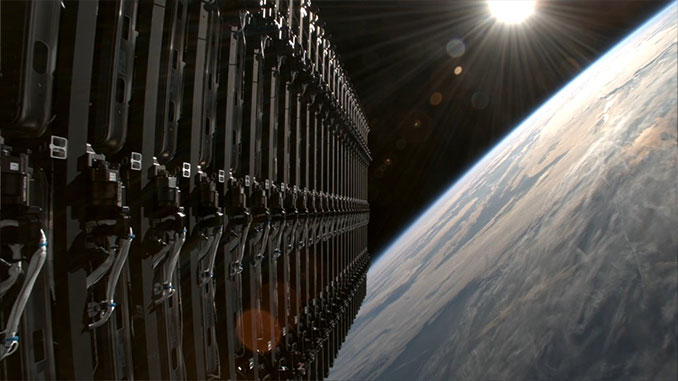
SpaceX Vandenberg Space Force Base నుంచి తక్కువ భూమి కక్ష్యలోకి మరో 27 Starlink ఉపగ్రహాలను పంపేందుకు సిద్ధమవుతోంది, సంస్థ యొక్క వేగవంతమైన విస్తరణ ప్రచారాన్ని కొనసాగిస్తూ. ఈ మిషన్ itself పరిచితమైన నమూనానే అనుసరిస్తుంది: Falcon 9 ప్రయోగం, బ్రాడ్బ్యాండ్ ఉపగ్రహాల ఒక బ్యాచ్, మరియు పసిఫిక్లో మరో ప్రణాళికాబద్ధమైన డ్రోన్-షిప్ ల్యాండింగ్. కానీ దీని చుట్టూ ఉన్న సందర్భం SpaceX ప్రయోగ వ్యూహంలో మరింత అర్థవంతమైన మార్పును సూచిస్తోంది.
మూల పాఠ్యం ప్రకారం, రాబోయే Starlink 15-22 మిషన్ 2026 ఆగస్టు 26 బుధవారం 2:34 a.m. PDT కు, లేదా 0934 UTCకు, Space Launch Complex 4 East నుంచి ఎగరడానికి షెడ్యూల్ అయింది. Falcon 9 దక్షిణ-తూర్పు దిశలో ప్రయాణించి, SpaceX యొక్క ఇంటర్నెట్ కాన్స్టెలేషన్ను విస్తరించడానికి ఉద్దేశించిన 27 ఉపగ్రహాలను మోస్తుంది. ఈ మిషన్ Cape Canaveral నుంచి ఒక్క రోజు ముందే జరిగిన మరో Starlink ప్రయోగాన్ని అనుసరిస్తోంది, ఇలాంటి విమానాలను SpaceX ఇప్పుడు ఎంత సాధారణంగా నిర్వహిస్తోందో ఇది చూపిస్తోంది. కొంతకాలం క్రితం ఇవే మిషన్లు స్వతంత్రంగా పెద్ద అంతరిక్ష ప్రయోగ సంఘటనలుగా పరిగణించబడేవి.
అయితే, ఈ వేగం కథలో ఒక భాగం మాత్రమే. మూలం ఉదహరించిన వ్యాఖ్యల్లో, SpaceX ఉపాధ్యక్షుడు (Launch) Kiko Dontchev, ముందు రోజు ఎగిరిన ఫ్లోరిడా మిషన్ ఆ రాష్ట్రం నుంచి Falcon 9 రాకెట్పై జరగనున్న చివరి ప్రణాళికాబద్ధమైన Starlink ప్రయోగమని చెప్పారు. ఈ ప్రకటన స్పష్టమైన మలుపును సూచిస్తోంది. సంవత్సరాల పాటు, ఫ్లోరిడాలోని Falcon 9 మిషన్లు Starlink వృద్ధికి, అలాగే వాణిజ్య తక్కువ భూమి కక్ష్య విస్తరణలో SpaceX ప్రధాన ప్రయోగ సంస్థగా ఎదగడంలో కేంద్రంగా నిలిచాయి. ఆ అధ్యాయానికి ముగింపు రావడం కంపెనీ ప్రయోగ నెట్వర్క్ అంతటా పాత్రల పునర్వ్యవస్థీకరణను సూచిస్తుంది.
కాలిఫోర్నియా మిషన్ వ్యవస్థను ముందుకు నడిపిస్తోంది
Vandenberg నుంచి జరిగే ఈ విమానం Falcon 9 వ్యవస్థ పరిపక్వతను ప్రతిబింబిస్తోంది. మూలం ప్రకారం SpaceX B1082 బూస్టర్ను ఉపయోగించాలని ప్రణాళిక చేస్తోంది, ఇది తన 24వ ప్రయాణం చేస్తున్నది. దాని గత మిషన్లలో NROL-145, USSF-62, OneWeb Launch 20, మరియు Starlink ఉపగ్రహాల 20 ముందు బ్యాచ్లు ఉన్నాయని నివేదించబడింది. ఇలాంటి పునర్వినియోగం సంస్థ యొక్క నిర్వాహక ప్రయోజనాల్లో ఒక ప్రధాన లక్షణంగా మారింది. ఒకప్పుడు పునర్వినియోగ సామర్థ్యానికి నిదర్శనంగా ఉన్నది, ఇప్పుడు నేపథ్య వివరంగా చేర్చుకునేంత సాధారణమైంది.
ప్రయోగానంతరం, మొదటి దశ పసిఫిక్ మహాసముద్రంలోని డ్రోన్ షిప్ Of Course I Still Love You పై ల్యాండింగ్ ప్రయత్నం చేయనుంది. అది విజయవంతమైతే, మూలం ప్రకారం అది ఆ నౌకపై 221వ ల్యాండింగ్, మరియు మొత్తం 655వ Falcon బూస్టర్ ల్యాండింగ్ అవుతుంది. ఆ సంఖ్యలు కక్ష్య ప్రయోగం ఎంత పారిశ్రామికంగా మారిందో చూపిస్తున్నాయి. SpaceX ఇక కేవలం తరచుగా రాకెట్లు ఎగురవేయడం మాత్రమే కాదు; పునరావృత రికవరీ విధానాలు, విస్తృత ఆపరేషనల్ అనుభవంతో కూడిన ఒక రవాణా వ్యవస్థను కొనసాగిస్తోంది.
మూలం ఇంకా తెలిపినదాని ప్రకారం, 2026లో ఇప్పటివరకు SpaceX 2,000కి పైగా Starlink ఉపగ్రహాలను కక్ష్యలోకి పంపింది. ఆ గణాంకం వల్లే ఈ ప్లాట్ఫారమ్ విస్తరణ మిషన్లు సాధారణంగానే కనిపించినా, వాటి వ్యూహాత్మక ప్రాముఖ్యత మాత్రం పెద్దగానే ఉంటుందని అర్థమవుతోంది. ప్రతి ప్రయోగం వినియోగదారుల కనెక్టివిటీతో పాటు వ్యాపార, రిమోట్ యాక్సెస్, ప్రభుత్వ సంబంధిత కమ్యూనికేషన్ వినియోగ సందర్భాలకూ కేంద్రంగా మారిన ఒక నెట్వర్క్కు సామర్థ్యం, స్థితిస్థాపకత, మరియు భౌగోళిక పరిధిని జోడిస్తోంది.

ఫ్లోరిడా మార్పు ఎందుకు ముఖ్యం
ఫ్లోరిడా నుంచి Falcon 9 Starlink విమానాలు ముగుస్తున్నాయని Dontchev చెప్పిన వ్యాఖ్య ముఖ్యమైనది, ఎందుకంటే అది కాన్స్టెలేషన్ కోసం SpaceX కొత్త ఆపరేషనల్ దశలోకి వెళుతోందని సూచిస్తోంది. మూలం ప్రకారం, Falcon గత ఏడు సంవత్సరాల్లో Cape నుంచి సుమారు 260 Starlink మిషన్లను ప్రయోగించింది. ఇది విశేష పరిమాణం, మరియు Starlink నిర్మాణంతో పాటు ఫ్లోరిడా ఎంత లోతుగా అనుసంధానమైందో చూపిస్తుంది. ఆ నమూనా నుంచి దూరమవడం అంటే, కంపెనీ ఇప్పుడు మరింత సమర్థవంతమైన లేదా వ్యూహాత్మకంగా ఉపయోగకరమైన మరో మార్గాన్ని చూస్తోందని అర్థం.
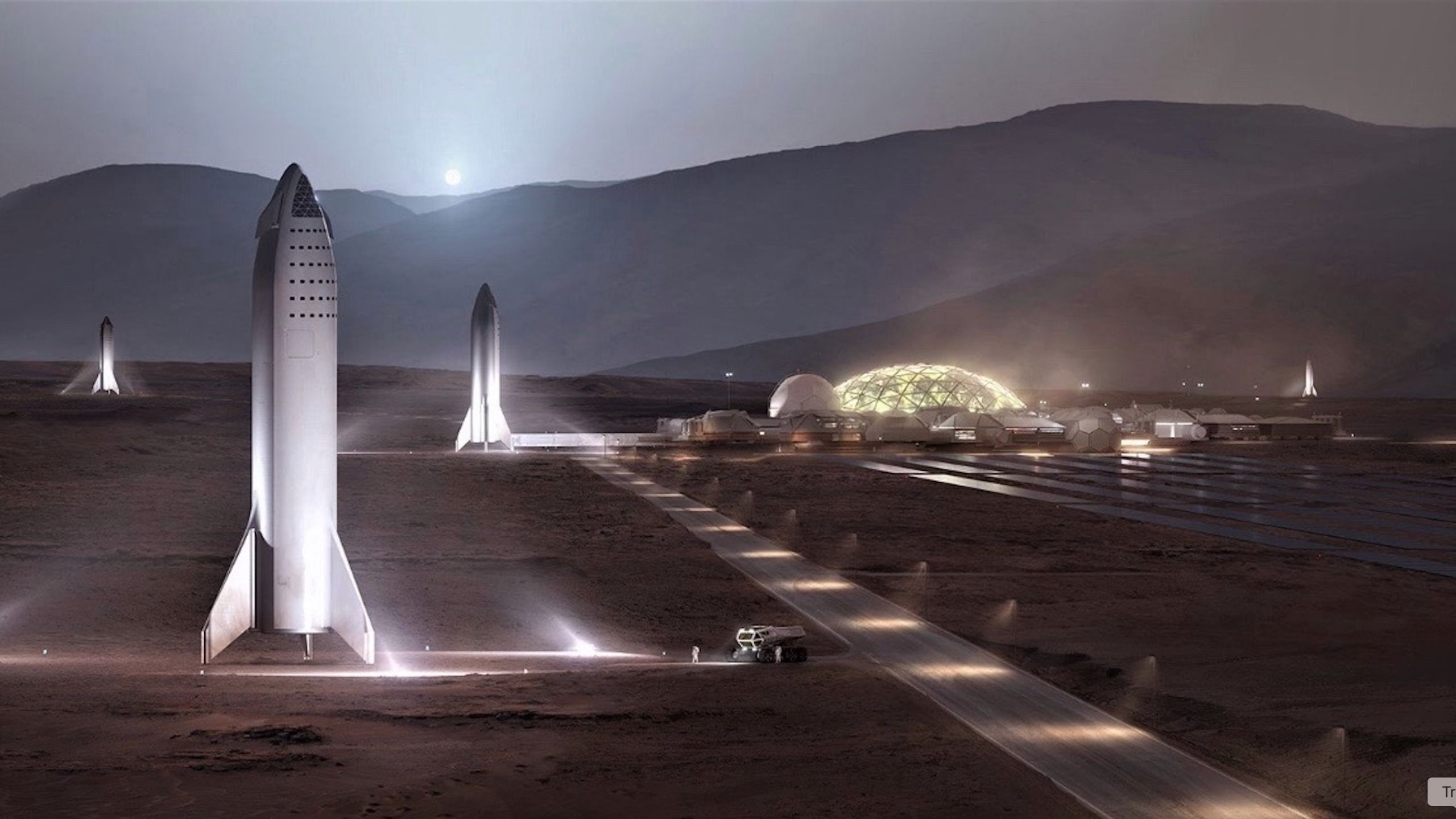
ఫ్లోరిడా నుంచి Starlink మిషన్లు Starship ఆర్బిటల్ ప్రయోగాల వైపు మళ్లనున్నాయని పాఠ్యం చెబుతోంది. మూలంలో మరింత వివరాలు లేకపోయినా, ఆ ఒక్క మార్పు కూడా గణనీయమైన ఆశయాన్ని సూచిస్తోంది. Falcon 9 కంటే చాలా పెద్ద పేలోడ్ సామర్థ్యానికి Starship రూపుదిద్దుకుంది. SpaceX Starlink విస్తరణలోని ప్రాముఖ్యమైన భాగాలను Starshipకు మార్చగలిగితే, ఒక ప్రయోగంలో మరిన్ని ఉపగ్రహాలను పంపడం ద్వారా కాన్స్టెలేషన్ పునరభివృద్ధి, విస్తరణల ఆర్థిక సమీకరణాలనే మార్చివేయగలదు.
అది Falcon 9ను అప్రాసంగికం చేయదు. కాలిఫోర్నియా మిషన్ అది ఇంకా ప్రస్తుత కార్యకలాపాల్లో, ముఖ్యంగా Vandenberg నుంచి, లోతుగా నాటుకుపోయి ఉందని చూపుతోంది. కానీ Starlinkను నిర్మించిన వ్యవస్థకు, భవిష్యత్తులో SpaceX ఉపయోగించాలనుకుంటున్న భారమైన-ఎత్తే ఆర్కిటెక్చర్కు మధ్య Falcon 9 మరింతగా ఒక వంతెన పాత్రను పోషించవచ్చని ఇది సూచిస్తోంది. ఈ తేడా ముఖ్యమైనది, ఎందుకంటే Starlink కేవలం మరో కస్టమర్ పేలోడ్ లైన్ కాదు. అది SpaceX తన ప్రయోగ వేగాన్ని ఆకృతీకరించుకోవడానికి, ఆపరేషనల్ కాన్సెప్ట్లను నిర్ధారించుకోవడానికి, మరియు తాను నియంత్రించే మిషన్ల ద్వారా వాహన సామర్థ్యాన్ని వినియోగించుకోవడానికి సహాయపడే అంతర్గత డిమాండ్ ఇంజిన్.
Starlink ఇప్పుడు పేలోడ్ కూడా, వ్యూహం కూడా
SpaceX ప్రయోగ వ్యాపారం మరియు Starlink నెట్వర్క్ పరస్పరం గట్టిగా అనుసంధానమై ఉన్నాయి. ఈ కాన్స్టెలేషన్ కంపెనీకి స్థిరమైన మిషన్ల సరఫరాను అందిస్తే, ప్రయోగ వ్యవస్థ Starlinkకు ప్రత్యర్థులు సులభంగా సరిపోల్చలేని అంతర్గత డిప్లాయ్మెంట్ మెకానిజమ్ను ఇస్తోంది. ప్రయోగ సామర్థ్యంలో ప్రతి పెరుగుదల ఉపగ్రహ నెట్వర్క్కు లాభం చేకూరుస్తుంది, అలాగే నెట్వర్క్ విస్తరణ ప్రతి కొత్త ప్రయోగ సామర్థ్యాన్ని న్యాయపరచడంలో సహాయపడుతుంది.
ఆ డైనమిక్ ప్రస్తుత మిషన్లో స్పష్టంగా కనిపిస్తోంది. 27 ఉపగ్రహాల బ్యాచ్ కార్యాచరణ పరంగా పరిచితమే, కానీ అది ఇంకా ఎంతో పెద్ద యంత్రంలో భాగం కూడా. సంస్థ నిరంతరం పునరావృతం చేస్తూ, విస్తరిస్తూ ఉన్న ఒక కాన్స్టెలేషన్ను రీఫ్రెష్ చేస్తోంది, అదే సమయంలో ఆ భారంలో కొంత భాగాన్ని next-generation రాకెట్కు మార్చడానికి సిద్ధమవుతోంది. ఈ వేగాన్ని కొనసాగిస్తూ ప్లాట్ఫారమ్లను మార్చగలిగే ఏరోస్పేస్ కంపెనీలు చాలా తక్కువ.
ఈ మార్పు Starlink ఒక అంతరిక్ష కార్యక్రమంగా ఎంత పరిపక్వత సాధించిందో కూడా చూపిస్తోంది. ప్రారంభ ప్రయోగాలు తరచూ అనుమతి, సాధ్యాసాధ్యత, మరియు ప్రాథమిక స్థాయి గురించి చర్చించబడేవి. ఇప్పుడు చర్చ ఆప్టిమైజేషన్ మీద ఉంది: ఏ తీరంలో ఏ మిషన్లు జరగాలి, భవిష్యత్ బ్యాచ్లను ఏ వాహనం మోసుకెళ్లాలి, మరియు డిప్లాయ్మెంట్ను మందగించకుండా ప్రయోగ ఆర్కిటెక్చర్ ఎలా అభివృద్ధి చెందాలి. ఇది అభివృద్ధిలో చాలా భిన్నమైన దశ.
యుగ ముగింపు, Falcon ముగింపు కాదు
తక్షణ మిషన్ సూటిగా ఉంది. Falcon 9 మరో ఉపగ్రహాల సముదాయాన్ని ప్రయోగించడానికి సిద్ధంగా ఉంది, బూస్టర్ మరో రికవరీ ప్రయత్నానికి సిద్ధంగా ఉంది, మరియు SpaceX మరోసారి కాన్స్టెలేషన్ను విస్తరించడానికి సిద్ధంగా ఉంది. కానీ మరింత స్థిరమైన సారాంశం ఏమిటంటే, సంస్థ ఈ పరిచిత మిషన్ ప్రవాహాన్ని Starlink నిర్మాణ దశల మధ్య ఒక సరిహద్దును గుర్తించడానికి ఉపయోగిస్తోంది.
ఫ్లోరిడా Falcon 9 అధ్యాయం ప్రపంచంలో అత్యంత చురుకైన తక్కువ భూమి కక్ష్య బ్రాడ్బ్యాండ్ కాన్స్టెలేషన్ను, అలాగే సేవలో ఉన్న అత్యంత పునర్వినియోగ కక్ష్య ప్రయోగ వ్యవస్థలలో ఒకదాన్ని స్థాపించడంలో సహాయపడింది. ఇప్పుడు కంపెనీ ఫ్లోరిడా Starlink విమానాలను Starship వైపు మళ్లించాలనుకుంటే, కాలిఫోర్నియా మిషన్ పాత ఆపరేటింగ్ మోడల్ ఇంకా పనిచేస్తున్న సమయంలోనే, మరింత పెద్ద మోడల్ రూపుదిద్దుకుంటున్న క్షణంలో వస్తోంది.
అందుకే ఈ ప్రయోగం కేవలం బిజీ మానిఫెస్ట్లో మరో పంక్తి మాత్రమే కాదు. ఇది కొనసాగుతున్న డిప్లాయ్మెంట్ ప్రచారంలో భాగమే, కానీ SpaceX కక్ష్య నుంచి Starlink తదుపరి దశను ఎలా విస్తరించాలనుకుంటోందో అనే మార్పు అంచున కూడా నిలుస్తోంది.
ఈ వ్యాసం Spaceflight Now నివేదిక ఆధారంగా ఉంది. మూల వ్యాసాన్ని చదవండి.
Originally published on spaceflightnow.com