కక్ష్యలో ఉన్న ఒక starshade, భూమిపై ఉన్న భారీ telescopesకు కొత్త పని ఇవ్వగలదు
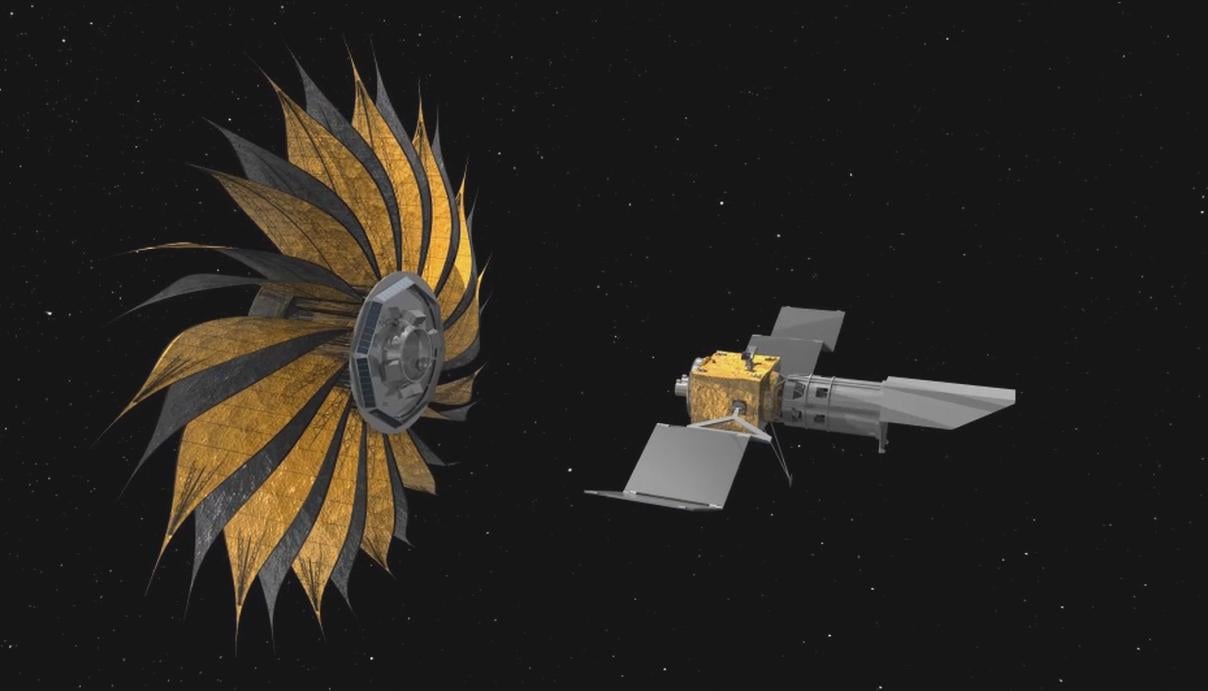
NASA మద్దతుతో ఉన్న ఒక భావన, ఖగోళశాస్త్రంలో అత్యంత కష్టమైన లక్ష్యాలలో ఒకదానికి వేరే దారిని సూచిస్తోంది: సమీప నక్షత్రాల చుట్టూ ఉన్న rocky, Earth-sized exoplanetsను నేరుగా చిత్రీకరించడం. పూర్తిగా space-based observatoryపై ఆధారపడటానికి బదులుగా, ఈ ఆలోచన free-flying orbital starshadeను తదుపరి తరం అత్యంత పెద్ద ground telescopesతో కలపాలని ప్రతిపాదిస్తోంది.
Hybrid Observatory for Earth-like Exoplanets, లేదా HOEE, అని పిలువబడే ఈ భావన, లక్ష్య నక్షత్రం యొక్క తీవ్రమైన glare telescopeకు చేరకముందే దానిని అడ్డుకోవడానికి రూపొందించబడింది. ఇది ఆశించినట్లే పనిచేస్తే, astronomers సమీప planetary systemsలోని చిన్న rocky ప్రపంచాల నుంచి ప్రతిఫలిత optical lightను నేరుగా గమనించగలరు; వాటి ఉనికిని పరోక్షంగా అంచనా వేయాల్సిన అవసరం ఉండదు.
అది ముఖ్యమైనది, ఎందుకంటే Earth-like exoplanetsను చూడటం చాలా కష్టం. అందించిన మూల పాఠ్యం ప్రకారం, optical lightలో చూసిన ఒక rocky planet, దాని parent star కంటే సుమారు ఒక బిలియన్ రెట్లు మసకగా ఉండవచ్చు. ఆ contrast సమస్యే ప్రధాన అడ్డంకి. starshade దానిని కృత్రిమ eclipse లాంటి ప్రభావాన్ని సృష్టించి పరిష్కరించడానికి ఉద్దేశించబడింది.
ఈ hybrid system ఎలా పనిచేస్తుంది
HOEE భావనలో, starshade భూమి చుట్టూ elliptical orbit నుండి పనిచేస్తూ, observing telescope line of sightకు సుమారు 175,000 kilometers దూరంలో ఉంటుంది. మొదటి సాధ్యమైన జతగా దక్షిణ చిలీలోని European Southern Observatory యొక్క Extremely Large Telescopeను ఉద్దేశిస్తున్నట్లు మూల పాఠ్యం చెబుతోంది, అది ప్రస్తుతం late 2030 నాటికి scientific first light పొందేలా షెడ్యూల్ చేయబడింది.
starshade telescope మరియు target star మధ్య నేరుగా ఉండి, starlightను తగ్గిస్తుంది, తద్వారా orbiting planet నుండి ప్రతిఫలించిన light నేపథ్యంనుంచి బయటకు కనిపిస్తుంది. దీని ద్వారా Earth నుండి సుమారు 20 light-years లోపల ఉన్న targetsపై ground-based optical observations చేయవచ్చు.
మూల పాఠ్యంలో వివరించిన design అత్యంత ఆశావహమైనది. ప్రతిపాదిత starshadeలో 50-meter central disk మరియు 48 petals ఉంటాయి, ప్రతి petal 24.5 meters పొడవు. దీని పని కేవలం light block చేయడం కాదు, project team చెప్పినట్లుగా telescopeపై అత్యంత నియంత్రిత shadow వేయడం. దానికి spacecraft సుమారు ఆరు meters ఖచ్చితత్వంతో తన స్థానం మార్చుకోవాలి; ఇది ఎక్కువగా hot hydrogen gasతో నడిచే microthrusters ద్వారా జరగవచ్చు.
ఈ precision requirement సవాలును స్పష్టంగా చూపిస్తుంది. ఈ వ్యవస్థ ఒక star, వేల కిలోమీటర్ల దూరంలో ఉన్న spacecraft, మరియు భూమిపై నిర్మించిన అతిపెద్ద telescopesలో ఒకటితో సరిగ్గా alignmentపై ఆధారపడుతుంది. దీని ఆకర్షణ ఏమిటంటే, ఇదే లక్ష్యానికి dedicated flagship space mission నిర్మించడంలో ఉన్న ఖర్చు మరియు సమయ పరిమితులను కొంతవరకు తప్పించగలదు.

ఈ విధానం ఒక ఖాళీని పూరించగలదని పరిశోధకులు ఎందుకు భావిస్తున్నారు
HOEE వెనుక ఉన్న వాదన ఏమిటంటే, ప్రస్తుత మరియు సమీప భవిష్యత్ పరికరాలు optical lightలో Earth-like exoplanetsను నేరుగా గమనించడానికి బాగా సరిపోవు. అందించిన మూల పాఠ్యంలో ప్రత్యేకంగా James Webb Space Telescope యొక్క Near Infrared Camera మరియు NASA Roman Space Telescopeలో ప్రణాళికలో ఉన్న coronagraph true Earth analogsను నేరుగా గమనించలేవని చెబుతోంది.
ఆ పరిమితి exoplanet scienceను transits మరియు radial velocity measurements వంటి పరోక్ష పద్ధతుల వైపు నెట్టింది, అవి శక్తివంతమైనవైనా, ఒక planetకు అదే రకమైన ప్రత్యక్ష optical viewను అందించవు. direct imaging nearby stars చుట్టూ ఉన్న rocky planetsను మరింత సమృద్ధిగా అర్థం చేసుకోవడానికి మార్గం తెరవగలదు.
HOEE బృందం ప్రతిపాదన ప్రాథమికంగా pragmatic: space telescopes మరియు ground telescopesను విడివిడిగా చూడకుండా, ఇప్పటికే నిర్మితమవుతున్న observatories యొక్క పరిధిని starshadeతో విస్తరించాలి. మూల పాఠ్యంలో project team member Vladimir Airapetian ఈ భావనను, ఇంకా deploymentకు దూరంగా ఉన్న ప్రత్యామ్నాయాల కంటే మరింత సమర్థవంతమైనదిగా, త్వరగా అందుబాటులోకి రాగలదిగా వివరించారు.
దీని అర్థం భావన పరిపక్వమైందని కాదు. బృందం NASA యొక్క Innovative Advanced Concepts program కింద Phase B support కోసం దరఖాస్తు చేసింది, మరియు 2027 నాటికి ఆ fundingను పొందాలని ఆశిస్తోంది. NIAC ప్రారంభ దశ, అధిక లాభం ఉన్న ఆలోచనలకు మద్దతు ఇవ్వడంలో ప్రసిద్ధి; కాబట్టి ఈ దరఖాస్తు commitment కంటే promiseను ఎక్కువగా సూచిస్తుంది.
విజయం ఏమి మార్చగలదు
ఈ భావన ముందుకు సాగితే, దాని శాస్త్రీయ లాభం గణనీయంగా ఉండవచ్చు. nearby rocky worldsను నేరుగా optical imaging చేయడం వల్ల, ఇప్పటివరకు direct-imaging ప్రయత్నాల్లో ఆధిపత్యం చూపిన gas giants మరియు hot exoplanetsకు బదులుగా, మన సమీప విశ్వ పరిసరాలకు మరింత దగ్గరగా ఉన్న planetary systemsను అధ్యయనం చేయడానికి ఒక కొత్త మార్గం లభిస్తుంది.
target list కూడా చెప్పుకోదగినది. సుమారు 20 light-years లోపల ఉన్న systemsపై దృష్టి పెట్టడం ద్వారా, ఈ భావన nearby starsలోని చిన్న కానీ శాస్త్రీయంగా విలువైన సముదాయాన్ని లక్ష్యంగా చేసుకుంటుంది, అక్కడ కనుగొనబడే ఏ rocky planet అయినా atmospheric మరియు comparative planetology studiesకు ముఖ్యమైన follow-up candidate అవుతుంది.
అదేంత ముఖ్యమో, HOEE ఖగోళశాస్త్రంలో hybrid architectures వైపు జరుగుతున్న విస్తృత మార్పును ప్రతిబింబిస్తుంది. space telescopes మరియు ground telescopesను వేర్వేరు మార్గాలుగా చూడడం బదులు, ఈ భావన రెండింటి బలాలను కలుపుతుంది. spacecraft, Earth atmosphere మరియు conventional optics కష్టతరం చేసే light suppressionను నిర్వహిస్తుంది; ground telescope, spaceలో నకలు చేయడం ఖరీదైన enormous collecting areaను అందిస్తుంది.
observatories మరింత సామర్థ్యం గలవిగా, మరింత ఖరీదైనవిగా మారుతున్న కొద్దీ, ఈ systems-level thinking మరింత ఆకర్షణీయంగా మారుతోంది. ఒక extremely large telescopeతో జత చేసిన starshade, ఉన్న terrestrial facilityను distributed observatoryలో భాగంగా మార్చగలదు.
దీర్ఘకాల ఆలోచన, కానీ స్పష్టమైన శాస్త్రీయ లక్ష్యం
భావన అధ్యయనాలు మరియు operation మధ్య ఇంకా పెద్ద దూరం ఉంది. starshadeకు complex formation geometry, high-precision control, మరియు ఒక ముఖ్యమైన observatoryతో నిరంతర సమన్వయం అవసరం. అలాగే Extremely Large Telescope తన ప్రస్తుత timelineలో online రావడం, starshade ప్రాజెక్టు NASA యొక్క concept pipelineలో ముందుకు సాగడం కూడా అవసరం.
అయినా కూడా HOEE ప్రతిపాదన ప్రత్యేకంగా కనిపిస్తుంది, ఎందుకంటే ఇది చాలా నిర్దిష్టమైన frontierను లక్ష్యంగా పెట్టుకుంది: nearby systemsలో చిన్న, rocky exoplanetsకు direct images పొందడం. ఇది సాధారణ technology demonstration కంటే మరింత స్పష్టమైన శాస్త్రీయ లక్ష్యం, మరియు engineeringను observational astronomyలో అత్యంత కోరుకునే ఫలితాలలో ఒకదానితో నేరుగా కలుపుతుంది.
ప్రస్తుతానికి, ఈ ప్రాజెక్ట్ NASA-మద్దతుతో ఉన్న భావన మాత్రమే, ఆమోదించబడిన mission కాదు. కానీ మౌలిక ఆలోచన స్పష్టంగా ఉంది. astronomers అంతరిక్షంలో ఖచ్చితంగా ఆకారమున్న, ఖచ్చితంగా స్థాపిత shadowను ఉంచగలిగితే, భూమిపై ఉన్న అతిపెద్ద telescopes తాము ఒంటరిగా చేయలేని పనిని చేయగలవు: ప్రకాశవంతమైన stars పక్కన ఉన్న మసక, rocky ప్రపంచాలను వేరుచేసి, ఇతర Earth-like planets కోసం వెతకడాన్ని ప్రత్యక్ష దృశ్యంలోకి తీసుకురావడం.
This article is based on reporting by Universe Today. Read the original article.
Originally published on universetoday.com