Artemis III: mission ముందు ఉన్న mission
NASA యొక్క Artemis కార్యక్రమం ఒక కీలక మలుపు తీసుకుంది. ఆధునిక యుగంలో మొదటి crewed lunar landingగా సేవ చేయడం బదులుగా, Artemis III ఇప్పుడు later landing attempt కోసం అవసరమైన hardware, docking procedures, మరియు multi-provider coordinationను నిర్ధారించడానికి ఉద్దేశించిన crewed Earth-orbit test flightగా రూపుదిద్దుకుంటోంది. పెద్ద exploration programsలో critical elements సిద్ధంగా లేనప్పుడు, అసలు scheduleను బలవంతంగా కొనసాగించడం కంటే ఒక proving groundను జోడించడం అత్యంత సురక్షిత మార్గమని ఈ మార్పు అంగీకరిస్తోంది కాబట్టి ఇది ముఖ్యమైనది.
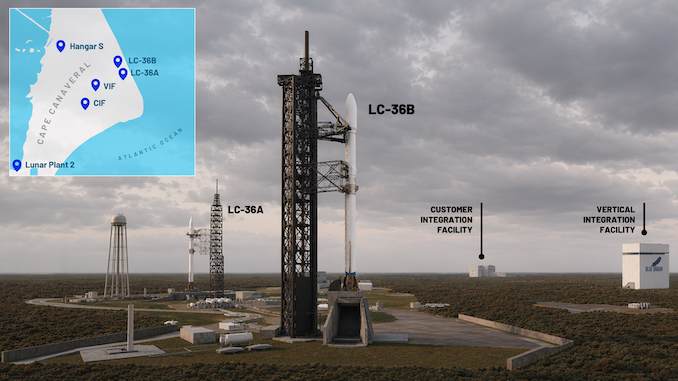
ఇచ్చిన source material ప్రకారం, Artemis III ఇప్పుడు 2027 చివరికి లక్ష్యంగా పెట్టబడింది, కాగా చంద్ర ఉపరితలానికి వాస్తవ తిరుగు Artemis IVకి, 2028లో, మారింది. కారణం abstract program drift కాదు. NASA ఆధారపడతామని భావిస్తున్న commercial landers అభివృద్ధిలో వచ్చిన ఆలస్యాలతో ఇది నేరుగా సంబంధం కలిగి ఉంది, ముఖ్యంగా SpaceX యొక్క Starship lunar lander మరియు Blue Origin యొక్క Blue Moon spacecraft. ఆ ఆలస్యాలను చిన్న contractor issueగా చూడకుండా, NASA mission sequenceను వాటి చుట్టూ పునర్వ్యవస్థీకరిస్తున్నట్లు కనిపిస్తోంది.
కొత్త ప్రణాళిక ఎందుకు ముఖ్యం
source, Artemis IIIని Apollo 9కి ఆధునిక సమానంగా చూపిస్తుంది; 1969లోని ఆ mission Earth orbitలోనే ఉండి Apollo 11కి ముందు కీలక systemsను validate చేసింది. ఆ పోలిక ముఖ్యం, ఎందుకంటే ఇది Artemis III “less ambitious”నా అనే చర్చ నుండి, అది strategically more necessaryనా అనే ప్రశ్న వైపు దృష్టిని మళ్లిస్తుంది. Artemis ఒక symbolic landing కాకుండా Moonకు sustained returnను మద్దతు ఇవ్వాలంటే, Orion, launch systems, మరియు commercial landers మధ్య interfaces crewed conditionsలో పనిచేయాలి.
Artemis I, 2022 Novemberలో launched, uncrewed Orionను rocket మరియు capsuleని test చేయడానికి Moon చుట్టూ పంపింది. source text ప్రకారం, Artemis II crew of fourతో ప్రయాణించి, fifty years కంటే ఎక్కువకాలం తర్వాత low Earth orbitను దాటి మనుషులు ప్రయాణించిన మొదటి సందర్భాన్ని సూచించింది. ఇప్పుడు Artemis III ఆ ప్రారంభ demonstrations మరియు surface mission attempt మధ్య వంతెనగా మారుతోంది. ఆ అర్థంలో, redesign ఒక retreat కన్నా integration ఆర్కిటెక్చర్లో అత్యంత కఠినమైన భాగంగా మారిందనే గుర్తింపే ఎక్కువ.

Apollo-era precedents కంటే మరింత సంక్లిష్టమైన test
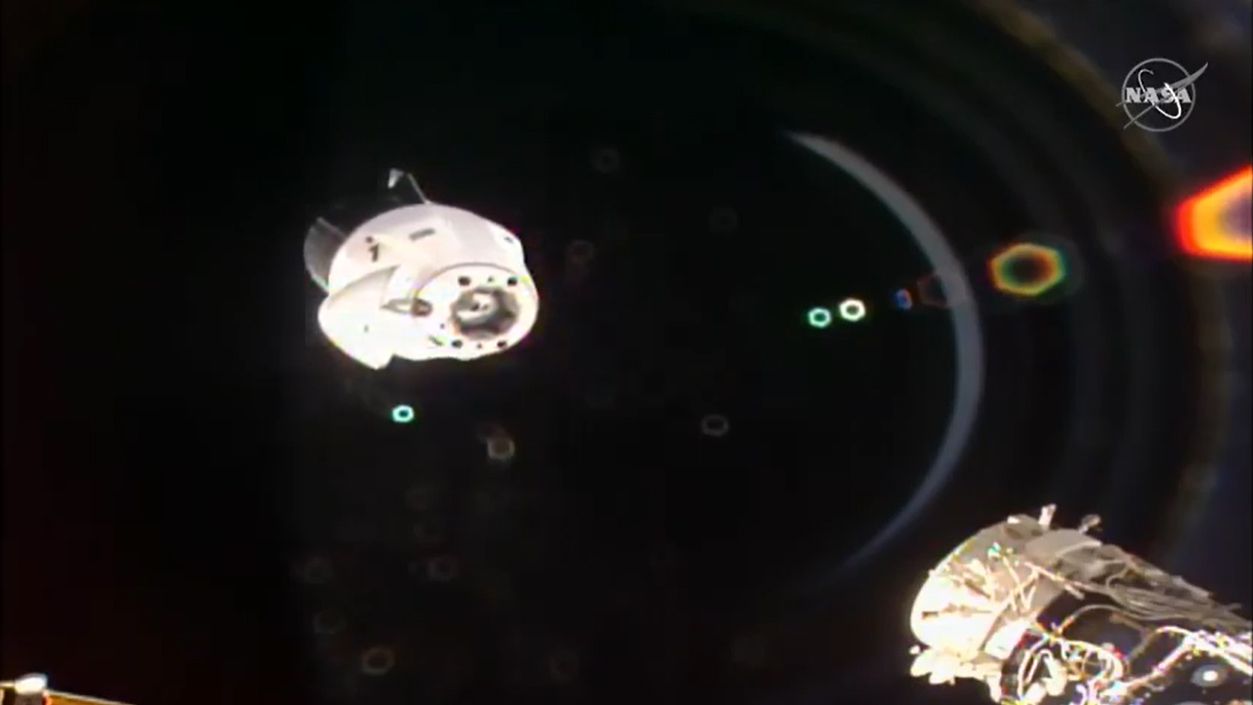
కొత్త Artemis III profile ఒక rehearsal కావడం మాత్రమే కాదు, వేర్వేరుగా అభివృద్ధి చేసిన అనేక vehicles చుట్టూ నిర్మించబడిన rehearsal కావడం వల్ల కూడా విశేషంగా ఉంది. ఇచ్చిన source ప్రకారం, NASA అనేక providers నుండి మూడు spacecraftలను కలిపే single campaignను సమన్వయించాలనుకుంటోంది. ఆ భావన ప్రకారం, Space Launch System నాలుగు మందితో కూడిన crewను Orionలో low Earth orbitలోకి ప్రవేశపెడుతుంది. ఇప్పటికే అక్కడ వేచి ఉండేవి Starship human landing system pathfinder మరియు Blue Moon Mark 2 pathfinder; ఇవి వాణిజ్య providers ద్వారా విడిగా launch చేయబడతాయి.
ఆ ఏర్పాటుతో Artemis III, crewed lunar programలో NASA ఇప్పటివరకు ప్రయత్నించని స్థాయి systems-integration exerciseగా మారుతుంది. Orion ఇతర spacecraftలతో rendezvous చేసి dock అవుతుంది, మరియు crew aboardతో Orion docking systemను mission మొదటిసారిగా demonstrate చేస్తుంది. source ప్రకారం, astronauts కనీసం ఒక dock అయిన landerలోకి ప్రవేశించి, తరువాత నిజమైన lunar landing campaign సమయంలో ఆధారపడే proceduresను rehearse చేయగలరు.
ఇది కార్యక్రమంలో అత్యంత ముఖ్యమైన భాగం కావచ్చు. lunar exploration తరచుగా rockets మరియు destinations పరంగా చర్చించబడుతుంది, కానీ mission success increasingly choreographyపై ఆధారపడుతుంది: ఎవరు ఎప్పుడు launch చేస్తారు, ఏ spacecraft orbitలో వేచి ఉంటుంది, docking operations ఎలా sequence చేయబడతాయి, మరియు వేర్వేరు organizations రూపొందించిన systems మధ్య crew ఎలా కదులుతుంది. Artemis III ప్రత్యేకంగా ఆ ప్రాంతాల్లో uncertainty తగ్గించడానికి రూపుదిద్దుకున్నట్లు కనిపిస్తోంది.
Commercial delays ఇప్పుడు NASA schedule కేంద్రంలో ఉన్నాయి
సవరించిన ప్రణాళిక NASA యొక్క lunar roadmap ఇప్పుడు commercial partnersపై ఎంత లోతుగా ఆధారపడుతోందో కూడా స్పష్టం చేస్తుంది. ఈ architectureలో SpaceX మరియు Blue Origin peripheral suppliers కాదు. వారి landers mission యొక్క logicలో భాగం. ఇది ముందటి యుగాల కంటే భిన్నమైన program riskను సృష్టిస్తుంది, అప్పట్లో NASA stackలో ఎక్కువ భాగాన్ని నేరుగా నియంత్రించేది. ఒక segmentలో schedule slip వస్తే, broader campaign అంతటా redesign అవసరం కావచ్చు.
ఆ దృష్టిలో, Artemis III dependency managementకు ఒక practical response. NASA తన lunar ambitionను వదిలిపెట్టడం లేదు. development delaysను absorb చేసుకుంటూనే, ఉపయోగకరమైన flight dataను అందించగల missionను అది జోడిస్తోంది. అది విజయవంతమైతే, astronautsను lunar surfaceకు descent profileలో పంపేముందు agencyకి మరింత నమ్మకం కలుగుతుంది.
విజయం ఎలా కనిపిస్తుంది
విజయవంతమైన Artemis IIIని Moonపై flag ద్వారా నిర్ణయించరు. mission Orion orbitలో అనేక commercial landersతో పనిచేయగలదా, crew aboardతో rendezvous మరియు docking procedures పనిచేస్తాయా, మరియు providers మధ్య interfaces తరువాతి landing attemptను మద్దతివ్వడానికి తగినంత matureగా ఉన్నాయా అనే దాని ఆధారంగా నిర్ణయిస్తారు. ఇవి touchdown footage కంటే నిశ్శబ్దమైన milestones, కానీ మరింత నిర్ణయాత్మకమైనవిగా ఉండవచ్చు.
source, Artemis IIIని మనుషులు Moonకు తిరిగి వెళ్లే ముందు పని చేయాల్సిన missionగా చూపిస్తుంది. అది న్యాయమైన వివరణ. ఆధునిక lunar exploration ఇక single-launch, single-system effort కాదు. అది ఒక ecosystem mission, మరియు Artemis III ఇప్పుడు crewed conditionsలో ఆ modelకు మొదటి సంపూర్ణ పరీక్షగా కనిపిస్తోంది.
ఈరోజు developments ఈ కథను ఎందుకు ఎంచుకున్నాయి
- ఇది ఒక ప్రధాన space effortలో అర్థవంతమైన policy మరియు program shiftను ప్రతిబింబిస్తుంది.
- Commercial-provider delays ప్రభుత్వ exploration timelinesను ఎలా పునర్నిర్మిస్తున్నాయో ఇది హైలైట్ చేస్తుంది.
- ఇది సరళమైన test flights నుండి పూర్తి architecture validationకు మార్పును సూచిస్తుంది.
ఈ వ్యాసం Universe Today నివేదిక ఆధారంగా ఉంది. మూల వ్యాసాన్ని చదవండి.
Originally published on universetoday.com