నాసా తన తదుపరి Moon landing దశ కోసం ఒక orbital rehearsalను ఏర్పాటు చేస్తోంది
Orion నుంచి astronautsను ఒక commercial moon landerలోకి, తిరిగి బయటకు తీసుకొచ్చే Artemis lunar campaignలోని అత్యంత సున్నితమైన భాగాల్లో ఒకటికి నాసా పూర్తి dress rehearsalను సిద్ధం చేస్తోంది. ఏజెన్సీ ప్రస్తుత ప్రణాళిక ప్రకారం, ఈ rehearsal భూమి కక్ష్యలో జరుగుతుంది, crewed lunar surface return ఇప్పుడు 2028కి లక్ష్యంగా పెట్టబడింది.
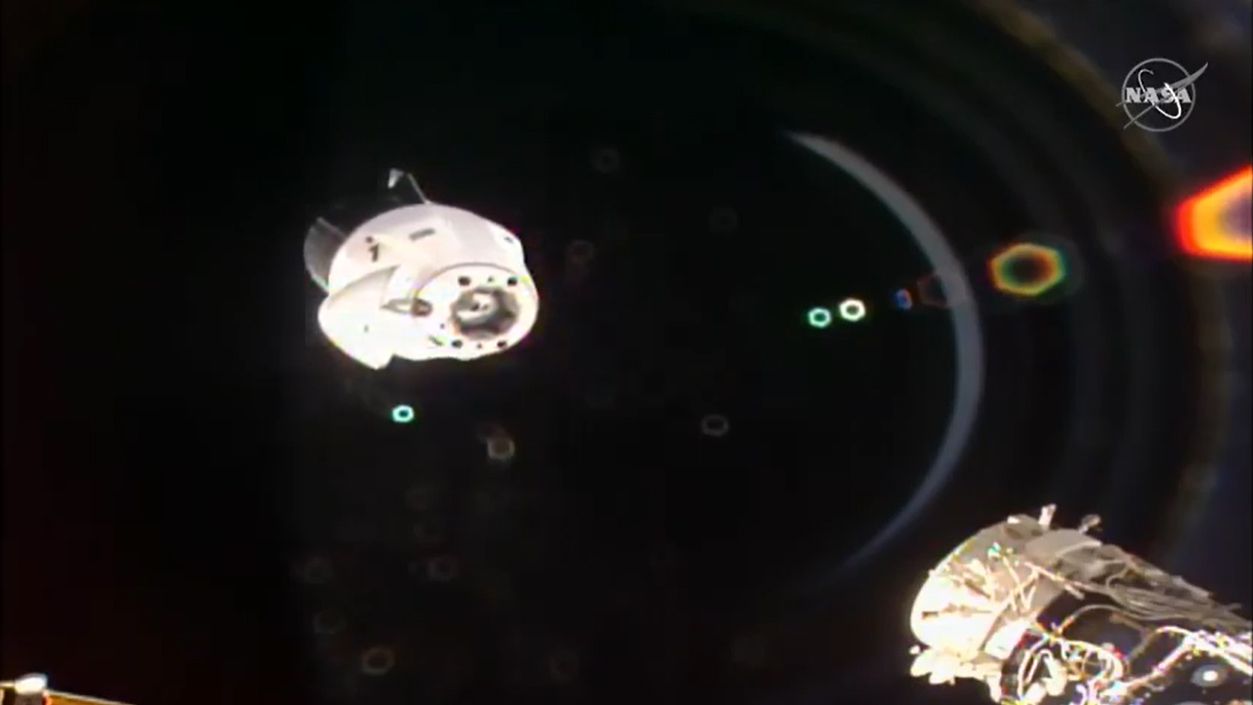
మూల నివేదికలో వివరించిన ఈ పరీక్ష, astronauts మరియు flight controllers చివరికి lunar mission సమయంలో అమలు చేయాల్సిన కార్యాచరణ క్రమాన్ని అనుకరించడానికి రూపొందించబడింది. SLS పై Orionలో పంపబడిన crew, low Earth orbitలో ప్రత్యేకంగా ప్రయోగించిన Human Landing Systemను కలుస్తుంది; ఆ తర్వాత ground teams మద్దతుతో rendezvous మరియు docking operations, crew transfer procedures, మరియు సంబంధిత checks నిర్వహిస్తుంది.
ఇది proceduralగా అనిపించవచ్చు; కానీ ఇది Artemis యొక్క కేంద్ర వాస్తవాల్లో ఒకదాన్ని ఎదుర్కొంటుంది: నాసా ఇప్పుడు mission stackలోని ప్రతి కీలక భాగాన్ని స్వయంగా నిర్మించడం లేదు. బదులుగా, అది SpaceX మరియు Blue Origin యొక్క commercial landing systemsపై ఆధారపడుతోంది, దీనివల్ల interface testing, operational discipline, మరియు systems integration విజయాలు raw launch capabilityతో సమానంగా ముఖ్యమవుతున్నాయి.
ఈ rehearsal ఎందుకు ముఖ్యమైంది
మూల పాఠ్యం ఈ demonstrationను astronauts నిజమైన lunar descentకు ప్రయత్నించే ముందు riskను తగ్గించే మార్గంగా చూపుతుంది. లక్ష్యం సరళమైనది. వేరువేరు వాహనాలపై ఆధారపడే lunar missionకు ఖచ్చితమైన timing, నమ్మదగిన docking hardware, compatible software, స్థిరమైన life-support conditions, మరియు స్పష్టమైన crew procedures అవసరం. భూమికి చాలా దూరంలో, కఠినమైన mission timelineలో ఇది జరుగుతున్నప్పుడు ఏ చిన్న బలహీనత అయినా మరింత తీవ్రమవుతుంది.
ఈ క్రమాన్ని ముందుగా భూమి కక్ష్యలో staging చేయడం ద్వారా, వాహనాలు మరియు crew మరింత సులభంగా చేరగల వాతావరణంలో ఎలా ప్రదర్శిస్తున్నాయో నాసా అంచనా వేయగలదు. rehearsal నుండి వచ్చే data, అలాగే Moonపై uncrewed demonstration mission, crewed landing architectureలో ఉపయోగించడానికి ముందు systemsను validate చేయడంలో సహాయపడుతాయి.
ఈ emphasis ఆధునిక human spaceflight నుండి ఒక పెద్ద పాఠాన్ని ప్రతిబింబిస్తుంది: క్లిష్టమైన exploration programsను ఎక్కువగా ఏ ఒక్క నాటకీయ milestone కాదు, మధ్యంతర దశల నాణ్యతే పరిమితం చేస్తుంది. Docking, crew ingress and egress, suit operations, avionics coordination, మరియు environmental controls అన్నీ స్పష్టత లేకుండా కలిసి పని చేయాల్సిన subsystems.

Artemis ఎలా నిర్మించబడుతోంది
రిపోర్ట్ ప్రకారం, Artemis IV 2028లో SLS మరియు Orion ద్వారా నాలుగు astronautsను lunar orbitకు పంపాలని నాసా ఆశిస్తోంది. ఆ crew సభ్యుల్లో ఇద్దరు తర్వాత lunar surfaceకు వెళ్లి తిరిగి రావడానికి Human Landing Systemలోకి మారతారు. ఆ mission profileను landing కోసం ఉపయోగించే ముందు, Artemis III transfer మరియు docking sequenceకు proving groundగా పనిచేయాలని ఏజెన్సీ కోరుతోంది.
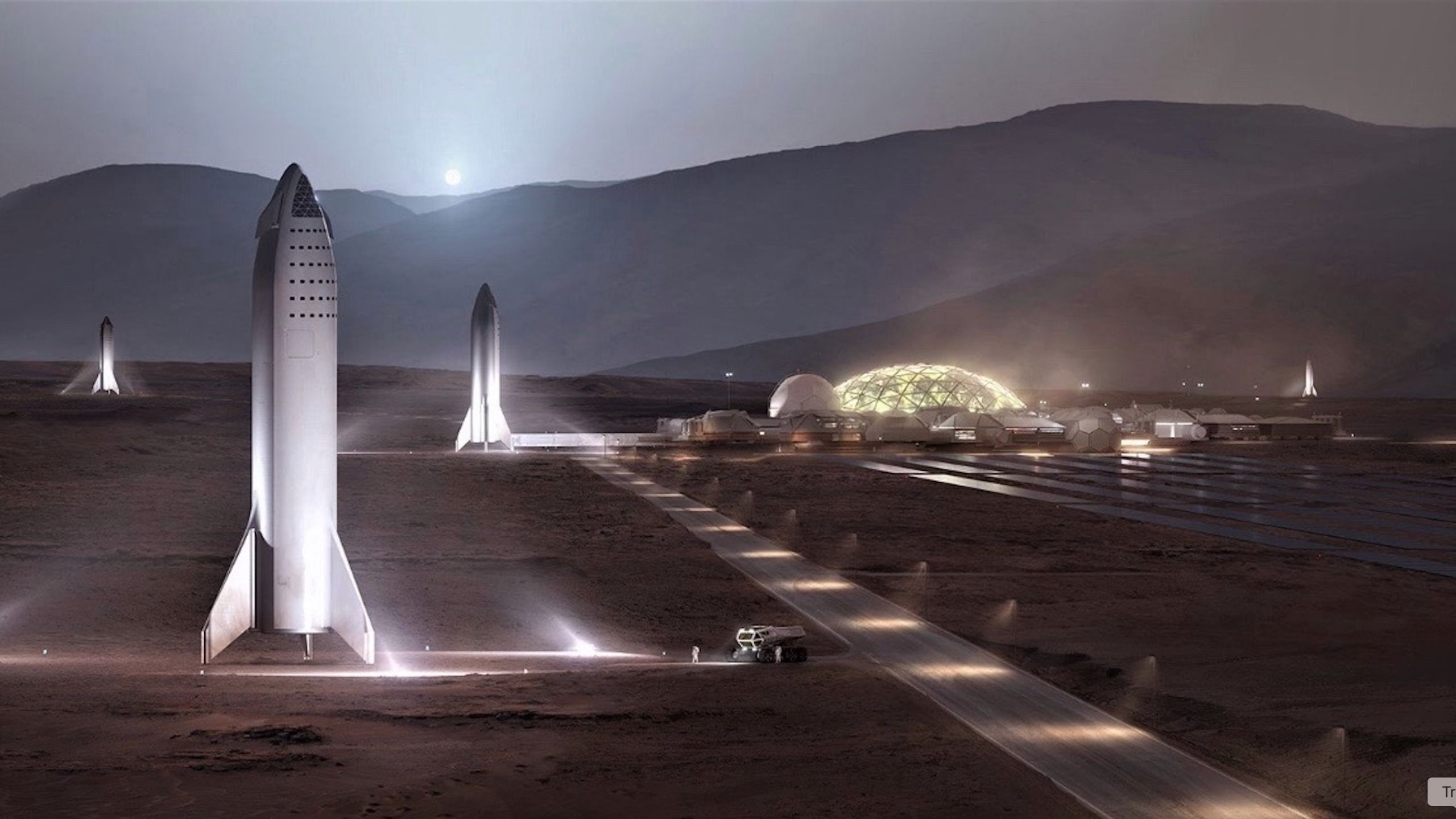
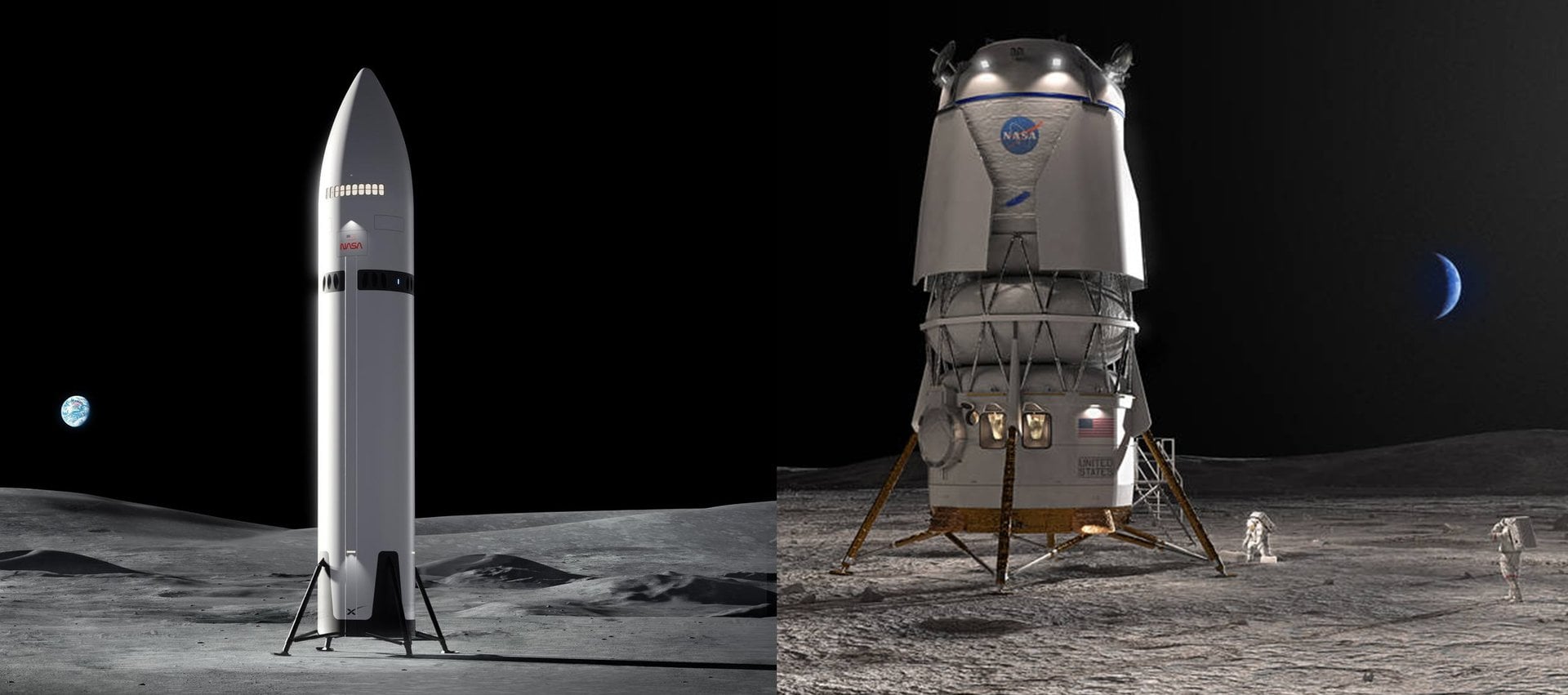
వివరించిన ఏర్పాటులో, SpaceX మరియు Blue Origin రెండూ రాబోయే Artemis missionsకు సంబంధించిన landersను అభివృద్ధి చేస్తున్నాయి. Artemis III demonstration కోసం, ప్రతి కంపెనీ తన crewed vehicle యొక్క test versionను, తన స్వంత rocketపై వేర్వేరుగా ప్రయోగించనుంది. SpaceX కొత్త Starship configurationను ఉపయోగిస్తుంది, Blue Origin తన Mark 2 Blue Moon landerను పరీక్షిస్తుంది.
అందువల్ల ఈ demonstration సాధారణ practice run కంటే ఎక్కువ. ఇది NASA యొక్క exploration program, mission-critical hardware అందించే పలు commercial providersతో ఎలా పనిచేస్తుందో కూడా పరీక్షిస్తుంది. Landers secondary cargo elements కాదు; అవే astronautsను lunar surfaceకు మరియు తిరిగి తీసుకెళ్లే వాహనాలు. కాబట్టి వాటి design maturity, software behavior, మరియు operational compatibility mission assurance కేంద్రంలో ఉంటాయి.
నాసా కక్ష్యలో ఏమి పరీక్షించాలనుకుంటోంది
మూల నివేదిక demonstration hardwareలో ఉండాల్సిన కొన్ని నిర్దిష్ట సామర్థ్యాలను సూచిస్తుంది. test vehiclesలో future crewed lunar flightsకు mission operations నేరుగా మారేంత ప్రతినిధి స్థాయిలో flight software మరియు control systems ఉండాలి. production hardwareలో avionics, crew cabin, మరియు environmental control plus life support capabilities సహా అవసరమైన human-spaceflight systems కూడా ఉండాలి.
Dock అయిన తర్వాత, రెండు Artemis crew సభ్యులు Orion Crew Survival System suits ధరించి, hatch తెరిచి, landing craftలోకి వెళ్తారు. ఆ దశను చెప్పడం సులభం, కానీ సరిగ్గా చేయడం కష్టం. spaceలో crew transferకు నమ్మదగిన procedures, ergonomic interior design, pressure integrity, మరియు కట్టుదిట్టంగా సమన్వయపరచిన timelines అవసరం. Moon ప్రయత్నానికి ముందు ఈ చర్యలను సాధన చేయడం NASA మరియు దాని partnersకు hardware మరియు choreography రెండింటినీ మెరుగుపరచడానికి అవకాశం ఇస్తుంది.
Blue Origin యొక్క lander lunar surface spacesuit mass simulatorను తీసుకెళ్తుందని, ఇది Artemis Iలో ఉపయోగించిన instrumented “Moonikin”ను గుర్తు చేస్తుందని నివేదిక చెబుతోంది. simulator sensors cabin environmentపై real time feedback ఇస్తాయి. అంటే, docking event యాంత్రికంగా పనిచేస్తుందా అనే దానికే కాకుండా, operation యొక్క human భాగం సమయంలో interior conditions మరియు support systems ఆశించినట్టే పనిచేస్తున్నాయా అనే దానిపైనా నాసా ఆసక్తి చూపుతోంది.
ఒక commercial test యొక్క వ్యూహాత్మక ప్రభావాలు
Artemis architecture increasingly commercial systemsపై ఆధారపడుతోంది, సామర్థ్యాన్ని విస్తరించడానికి మాత్రమే కాకుండా, మొత్తం campaignను సాధ్యం చేయడానికి కూడా. ఇది నాసాకు వేరే రకమైన strategic challengeను తీసుకువస్తుంది. agency వేర్వేరు engineering cultures, development tempos, మరియు hardware lineages ఉన్న organizations across mission assuranceను సమన్వయపరచాలి, అదే సమయంలో crewed exploration programకు ఆశించిన reliability standardను కాపాడాలి.
కాబట్టి Earth-orbit rehearsal దాని తక్షణ technical checklistకన్నా ఎక్కువ విలువ కలిగి ఉంది. ప్రభుత్వ-owned transportation, contractor-built landing systems, మరియు mission control workflows అన్నీ కలిసి coherent human-rated systemగా పనిచేసే mixed architectureను నాసా operationalize చేయగలదా అనే విషయాన్ని ఇది స్థాపించడానికి సహాయపడుతుంది.
ఇది మరింత కఠినత తక్కువ ఉన్న పరిస్థితుల్లో నేర్చుకునే అవకాశం కూడా ఇస్తుంది. Earth orbitలో కనిపించే problems ఇంకా గంభీరమైనవే, కానీ lunar campaignలో మొదటిసారి బయటపడే failuresతో పోల్చితే diagnose చేయడం, సవరించడం సులభం. Rehearsal missions ఎందుకు ముఖ్యమో అదే: assumptionsను observed performanceగా మారుస్తాయి.
తదుపరి ఏమి గమనించాలి
ప్రణాళిక అలాగే కొనసాగితే, తదుపరి ప్రధాన సంకేతాలు demonstration hardware సమయానికి ప్రయోగమవుతుందా, test systems తుది operational versionsకు ఎంత దగ్గరగా ఉంటాయో, మరియు orbital exercise మరియు uncrewed lunar demonstration నుంచి నేర్చుకున్న పాఠాల గురించి నాసా ప్రజలకు ఏమి చెబుతుందో అవుతాయి. ఈ వివరాలే Artemis paper మీద ఉన్న architecture నుంచి repeatable mission executionకు వెళ్లగలదో లేదో నిర్ణయిస్తాయి.
ప్రస్తుతానికి, rehearsal ప్రాముఖ్యత స్పష్టంగా ఉంది. నాసా చంద్ర ఉపరితలానికి తిరిగి వెళ్లడం symbolism మీద మాత్రమే ఆధారపడదు. కొత్త తరం commercial lunar landersలో astronauts సురక్షితంగా meet, dock, transfer, మరియు operate చేయగలరా అనే దానిపైనే ఆధారపడుతుంది. నిజమైన descentకు కట్టుబడే ముందు ఆ నమ్మకం Earth orbit missionలోనే సంపాదించాలి.
ఈ వ్యాసం Universe Today నివేదిక ఆధారంగా ఉంది. మూల వ్యాసాన్ని చదవండి.
Originally published on universetoday.com