చంద్ర ధ్రువ ప్రాంతాల్లోని కొన్ని వాతావరణాలు ఊహించినదానికంటే భూమి జీవానికి తక్కువ ప్రతికూలంగా ఉండవచ్చు
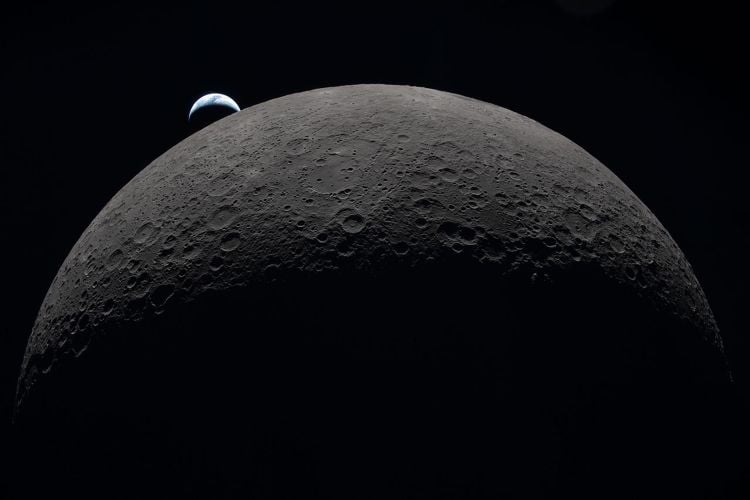
NASAతో సంబంధమైన ఒక కొత్త అధ్యయనం దీర్ఘకాలంగా ఉన్న గ్రహ పరిరక్షణ ఆందోళనను మరింత పదును చేస్తోంది: చంద్రుడి దక్షిణ ధ్రువ ప్రాంతంలోని కొన్ని భాగాలు వ్యోమగాములు మరియు అంతరిక్ష నౌకల ద్వారా తీసుకెళ్లబడే కొన్ని సూక్ష్మజీవులకు ఆశ్రయం ఇవ్వగలవని సూచిస్తోంది. ఈ కనుగొనడం ముఖ్యమైనది, ఎందుకంటే చంద్ర దక్షిణ ధ్రువం అన్వేషణ, విజ్ఞానం, మరియు చివరికి దీర్ఘకాల మానవ కార్యకలాపాలకు కేంద్ర లక్ష్యంగా మారుతోంది.
Universe Todayలో తాజా గా Science Advancesలో ప్రచురితమైందిగా పేర్కొన్న ఈ పరిశోధన, NASA యొక్క Goddard Space Flight Center మరియు Johnson Space Center నుండి వచ్చిన పరిశోధకులచే నిర్వహించబడింది. చంద్ర ధ్రువ భూభాగంలో ఎదురయ్యే పరిస్థితులను, ముఖ్యంగా లోతైన గుంతలు, నీడ పడే ప్రాంతాలు, మరియు సంక్లిష్ట భౌగోళిక నిర్మాణం ఉన్న ప్రాంతాలను, భూమి మరియు అంతరిక్ష ప్రయాణంతో సంబంధమైన సూక్ష్మజీవులు తట్టుకోగలరా అన్నదే వారి లక్ష్యం.
దశాబ్దాలుగా, చంద్రుడు జీవసంబంధ కాలుష్యానికి తక్కువ ప్రమాదమున్న గమ్యంగా పరిగణించబడింది, ఎందుకంటే అక్కడి కిరణోత్సర్గ వాతావరణం, శూన్యత, మరియు తీవ్ర ఉష్ణోగ్రతలు జీవానికి కఠినమైనవి. కానీ ఈ విస్తృత ఊహ ధ్రువ ప్రాంతాలకు వర్తింపజేసినప్పుడు అంత సురక్షితంగా ఉండదు. ఆ ప్రాంతాల్లో అల్ట్రావయొలెట్ ప్రభావం తక్కువగా ఉండే చోట్లు, అలాగే భూభాగం కారణంగా ఉష్ణోగ్రత మరియు కిరణోత్సర్గంలో తేడాలు ఉండే అవకాశం ఉంది. అందువల్ల అక్కడ పడిన ప్రతి సూక్ష్మజీవి త్వరగా నశించకపోవచ్చని అర్థమవుతుంది.
పరిశోధకులు ఏమి పరీక్షించారు
ఇచ్చిన మూల వచనం ప్రకారం, బృందం భూమి మీద మరియు అంతరిక్షంలో కనుగొనబడిన అనేక జీవులను పరిశీలించింది. జాబితాలో Aspergillus niger, Bacillus subtilis, Staphylococcus aureus, Deinococcus radiodurans, మరియు Fusarium యొక్క అనేక జాతులు ఉన్నాయి. ఇవి అరుదైన ఎంపికలు కావు. ఇవి మానవ వాతావరణాలు, అంతరిక్ష నౌకలతో సంబంధమైన కాలుష్యం, లేదా తీవ్రమైన పరిస్థితుల్లో జీవించగల సామర్థ్యాన్ని అధ్యయనం చేసే పరిశోధనలకు సంబంధిత సూక్ష్మజీవులు మరియు శిలీంధ్రాలు.
తర్వాత పరిశోధకులు ఈ జీవులను చంద్ర దక్షిణ ధ్రువంలోని కొన్ని ప్రాంతాలను అనుకరించే ప్రయోగశాల పరిస్థితులకు గురి చేశారు, ముఖ్యంగా Nobile Rim, Connecting Ridge, మరియు De Gerlache Rim కు సంబంధించిన వాతావరణాలను. ఆ ప్రయోగశాల ఫలితాలను, చంద్ర ఉపరితలంపై కిరణోత్సర్గం ఎలా విస్తరించబడుతుందో మ్యాప్ చేసిన భౌగోళిక నమూనాలతో కలిపారు.
ఈ కలయిక ప్రాముఖ్యమైనది. సాధారణ ప్రయోగశాల జీవన పరీక్ష ఒక జీవి ఎంత గట్టిదనంగా ఉందో చూపగలదు, కానీ అది మరో ప్రపంచంలో ఆ జీవి నిజంగా ఎక్కడ కొనసాగి ఉండగలదో అంతగా తెలియజేయదు. జీవసంబంధ ప్రతిఘటన డేటాను స్థానిక భూభాగం మరియు కిరణోత్సర్గ నమూనాలతో జతచేయడం ద్వారా, ఈ అధ్యయనం చర్చను కార్యాచరణ ప్రాముఖ్యతకు మరింత దగ్గర చేస్తోంది. ఒక సూక్ష్మజీవి సూత్రప్రాయంగా జీవించగలదా అన్నదే కాక, నేలపై కాలుష్య ప్రమాదం ఎక్కడ అత్యంత ముఖ్యమవుతుందో కూడా ఇది ప్రశ్నిస్తోంది.
ఒక శిలీంధ్రం ప్రత్యేకంగా నిలిచింది
మూల వచనంలో అత్యంత స్పష్టంగా ప్రస్తావించబడిన జీవి Aspergillus niger. పరిశోధకులు చంద్ర దక్షిణ ధ్రువంలో సూక్ష్మజీవులు జీవించగల అనేక ప్రదేశాలు ఉండవచ్చని కనుగొన్నారు, మరియు అల్ట్రావయొలెట్ కిరణాలకు దాని ప్రతిఘటన కారణంగా Aspergillus niger యొక్క జీవన సామర్థ్యాన్ని ప్రత్యేకంగా గుర్తించారు.
ఇది ముఖ్యమైనది, ఎందుకంటే UV కిరణాలు బహిర్గతమైన గ్రహ ఉపరితలాలపై ఉండే ప్రధాన సహజ క్రిమినాశక శక్తుల్లో ఒకటి. ఒక సూక్ష్మజీవి UVని మెరుగ్గా తట్టుకోగలిగితే, మరియు భూభాగం కూడా కొన్ని చోట్ల ప్రభావాన్ని తగ్గిస్తే, అది నిలిచే అవకాశాలు పెరుగుతాయి. Universe Today వివరణ ప్రకారం, Aspergillus niger గతంలో International Space Stationలో నమూనాగా తీసుకున్నారు, అలాగే అంతరిక్ష సంబంధిత పరిస్థితుల్లో జీవించగల సామర్థ్యాన్ని చూపింది.
ఈ శిలీంధ్రం సాపేక్షంగా విస్తృత ఉష్ణోగ్రత పరిధిలో జీవించగలదని, తరచుగా వేడి వాతావరణాల్లో బాగా పెరుగుతుందని కూడా వ్యాసం చెబుతోంది. దీని అర్థం చంద్రుడు జీవసంబంధంగా అనుకూలంగా మారింది అన్నది కాదు. కానీ చంద్రుడు సరళంగా చెప్పాలంటే అత్యంత తీవ్ర వాతావరణం కాబట్టి, గణనీయమైన సూక్ష్మజీవి కొనసాగుదలకు అవకాశం లేదన్న సాధారణ అభిప్రాయం ముఖ్యమైన స్థానిక మినహాయింపులను విస్మరించవచ్చని ఇది సూచిస్తుంది.

ఇది ఇప్పుడు ఎందుకు ముఖ్యం
కాలమానం కీలకం. శాస్త్రీయ విలువ మరియు శాశ్వత నీడ ప్రాంతాల్లో నీటి మంచు ఉండే అవకాశం కారణంగా చంద్ర దక్షిణ ధ్రువం అన్వేషణకు కేంద్రమైంది. ఇది భవిష్యత్ ఉపరితల కార్యకలాపాలు, మౌలిక వసతులు, మరియు పునరావృత మానవ సందర్శనలకు కూడా ఒక సంభావ్య కేంద్రం. కార్యకలాపం పెరిగే కొద్దీ, నివాసాలు, స్పేస్సూట్లు, సరుకు, పరికరాలు, మరియు సిబ్బంది ద్వారా సూక్ష్మజీవులు వాతావరణంలోకి ప్రవేశించే అవకాశం కూడా పెరుగుతుంది.
Forward contamination అనేది కేవలం సాంకేతిక స్వచ్ఛత సమస్య కాదు. ఇది కనీసం రెండు విధాలుగా శాస్త్రాన్ని ప్రభావితం చేయగలదు. మొదట, భూమి-ఉత్పన్న జీవ సూచనలను పరిశోధకులు తర్వాత నమూనా తీసుకునే ప్రదేశాల్లో ప్రవేశపెట్టడం వల్ల భవిష్యత్ జీవ-అన్వేషణ లేదా సేంద్రీయ-అన్వేషణ పనుల్లో తప్పుడు పాజిటివ్ల అవకాశాన్ని పెంచుతుంది. రెండవది, సహజ ప్రక్రియల వివరణను క్లిష్టతరం చేసే విధంగా స్థానిక పదార్థాలు లేదా వాతావరణాలను మార్చవచ్చు.
అందువల్ల ఈ అధ్యయనం ప్రాసంగికత చంద్రుడికి మాత్రమే పరిమితం కాదు. చంద్ర కార్యకలాపాలు తరచుగా మార్స్ మరియు ఇతర లోతైన అంతరిక్ష గమ్యాల కోసం పరీక్షా వేదికగా చెప్పబడతాయి. సంస్థలు మరియు వాణిజ్య నిర్వాహకులు చంద్రుడిపై కాలుష్యాన్ని సమర్థంగా నిర్వహించలేకపోతే, స్వదేశీ జీవితం చుట్టూ ఉన్న శాస్త్రీయ పందెం మరింత ఎక్కువగా ఉన్న ఇతర ఖగోళ శరీరాలపై సవాలు మరింత క్లిష్టమవుతుంది.
మిషన్ ప్రణాళికపై ప్రభావాలు
మూల వచనం ప్రకారం, ఈ కనుగొనింపులు శాస్త్రవేత్తలు, మిషన్ ప్రణాళికకర్తలు, మరియు భవిష్యత్ వ్యోమగాములు చంద్రుడి మరియు దాని దాటి జరిగే దీర్ఘకాలిక మిషన్లలో సూక్ష్మజీవులను ఎదుర్కొనే పద్ధతులను అభివృద్ధి చేయడంలో సహాయపడవచ్చు. ఇదే ప్రాక్టికల్ takeaway. ఈ అధ్యయనం చంద్రుడు విస్తృతంగా భూమి జీవులకు నివాసయోగ్యమని వాదించడం లేదు, అలాగే కాలుష్యం ప్రతిచోటా తప్పనిసరిగా జరుగుతుందని సూచించడం లేదు. బదులుగా, ఇది మరింత లక్ష్యితమైన ప్రమాద నిర్వహణ వైపు దారి చూపుతోంది.
దీని అర్థం ల్యాండింగ్ జోన్లు, ట్రావర్స్ మార్గాలు, వ్యర్థాల నిర్వహణ, సూట్ డిజైన్, నివాస లీకేజీ, హార్డ్వేర్ స్టెరిలైజేషన్, మరియు ముఖ్యంగా సున్నితమైన ధ్రువ భూభాగాల చుట్టూ స్థల ఎంపికపై ప్రత్యేక దృష్టి పెట్టడం కావచ్చు. గతంలో సందర్శించిన ప్రాంతాల దగ్గర నమూనా సేకరణ ప్రోటోకాళ్లను సంస్థలు ఎలా పరిగణిస్తాయన్నదానిపై కూడా ఇది ప్రభావం చూపవచ్చు, ముఖ్యంగా కొన్ని ప్రదేశాలు కాలుష్య సంకేతాలను ఇతర ప్రదేశాల కంటే ఎక్కువకాలం నిలుపుకోగలిగితే.
మొత్తానికి, ఈ పని సాధారణ ఊహల నుంచి మ్యాప్-ఆధారిత కాలుష్య ప్రణాళిక వైపు మార్పును సమర్థిస్తుంది. చంద్ర ఉపరితలాన్ని ఏకరీతిగా క్రిమినాశకమైనదిగా కాకుండా, మిషన్ డిజైనర్లు అధిక ప్రమాదం మరియు తక్కువ ప్రమాదం ఉన్న సూక్ష్మ వాతావరణాలను వేరు చేయాల్సి రావచ్చు.
గ్రహ పరిరక్షణ మార్స్-కేంద్రిత ఆలోచనను దాటుతోంది
గ్రహ పరిరక్షణ విధానం చాలావరకు సంప్రదాయంగా మార్స్, మంచు ఉపగ్రహాలు, మరియు ప్రస్తుతం లేదా ప్రాచీన జీవితం ఉండవచ్చని బలమైన అభ్యర్థులుగా భావించే ఇతర గమ్యాలపై కేంద్రీకృతమై ఉంది. చంద్రుడు తరచుగా వేరే స్థాయి ఆందోళనలో ఉండేది. కానీ చంద్ర కార్యకలాపాల తదుపరి యుగం, ముఖ్యంగా దక్షిణ ధ్రువంలో, ఆ సంభాషణను విస్తరిస్తోంది.
ఈ అధ్యయనం గ్రహ పరిరక్షణ ఇకపై కేవలం విదేశీ జీవశాస్త్రంపై ఉన్న నాటకీయ ప్రశ్నల గురించి మాత్రమే కాదని తెలియజేస్తోంది. ఇంకా విస్తృత శాస్త్రీయ విలువ ఉన్న, విస్తృతంగా సందర్శించబడే వాతావరణాల సమగ్రతను కాపాడడం కూడా ఇందులో భాగం. మరిన్ని దేశాలు మరియు కంపెనీలు అదే ప్రాంతాలను లక్ష్యంగా పెట్టుకున్నప్పుడు, చిన్న కాలుష్య ప్రమాదాలు కూడా సమష్టిగా పెరిగే అవకాశం ఉంటుంది.
అధ్యయం ఏమి చూపింది, ఏమి చూపలేదు
ఇచ్చిన మూల వచనం ఆధారంగా, కొన్ని దక్షిణ ధ్రువ ప్రాంతాలు కొన్ని సూక్ష్మజీవుల జీవనాన్ని అనుమతించవచ్చని అధ్యయనం సూచిస్తోంది, మరియు Aspergillus niger ను ఒక ముఖ్యమైన ఉదాహరణగా ప్రత్యేకంగా చూపించింది. ఇది విస్తృత కాలనీకరణ, చంద్ర ఉపరితలం అంతటా పెరుగుదల, లేదా చంద్రుడి సమీప భవిష్యత్తులో పెద్ద జీవ మార్పును నిరూపించడం కాద. ఫలితం మరింత సంకుచితమైనదైనా, ఇంకా ప్రాముఖ్యమైనదే: నిర్దిష్ట ప్రదేశాల్లో జీవన సామర్థ్యం శాస్త్రీయంగా మరియు కార్యాచరణ పరంగా ప్రాధాన్యం కలిగేంత కాలం సాధ్యమవచ్చు.
చంద్ర అన్వేషణ కోసం, ఇది గమనించడానికి సరిపోతుంది. దక్షిణ ధ్రువం మానవ చరిత్రలో భూమికి బయటి అత్యంత ఉపయోగించబడే వాతావరణాల్లో ఒకటిగా మారబోతోంది. అక్కడ భూమికి చెందిన కొద్ది సూక్ష్మజీవులు కూడా నిలిచిపోగలిగితే, కాలుష్య నియంత్రణ నేపథ్య అనుసరణ అంశంగా మిగలదు కాదు, అది ప్రధాన మిషన్ నిర్మాణంలో భాగమవుతుంది.
- ఈ అధ్యయనం భూమి మరియు అంతరిక్ష వాతావరణాలకు సంబంధించిన అనేక సూక్ష్మజీవులను పరిశీలించింది.
- ప్రయోగశాల అనుకరణలు Nobile Rim, Connecting Ridge, మరియు De Gerlache Rim పై దృష్టి పెట్టాయి.
- కొన్ని దక్షిణ ధ్రువ ప్రదేశాలు సూక్ష్మజీవుల జీవనాన్ని అనుమతించవచ్చని కనుగొనింపులు సూచిస్తున్నాయి.
- Aspergillus niger ను దాని UV ప్రతిఘటనకు ప్రత్యేకంగా గుర్తించారు.
- ఫలితాలు భవిష్యత్ చంద్ర మిషన్ల కోసం కాలుష్య నియంత్రణలను రూపకల్పన చేయవచ్చు.
ఈ వ్యాసం Universe Today నివేదికపై ఆధారపడి ఉంది. మూల వ్యాసాన్ని చదవండి.
Originally published on universetoday.com