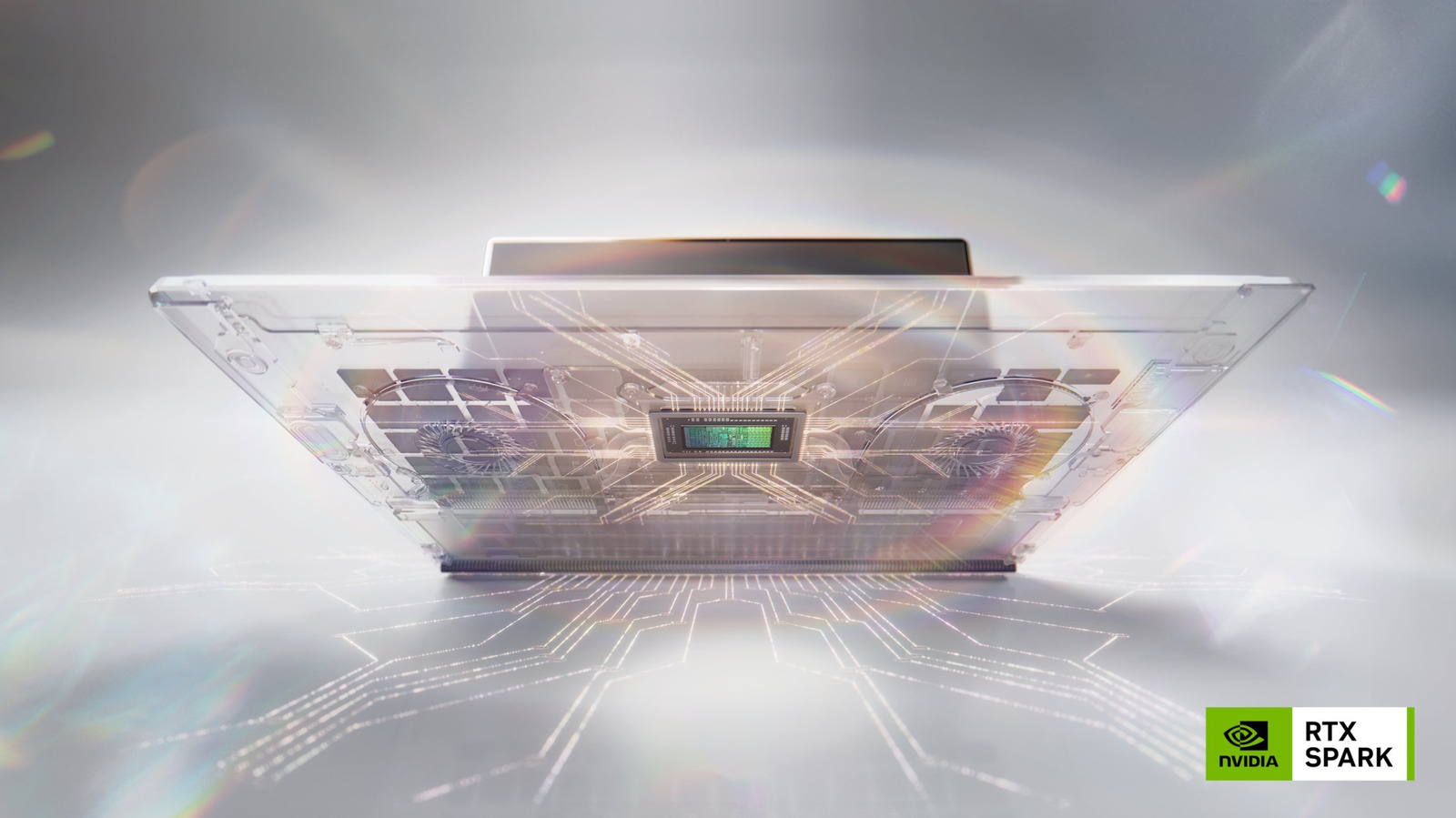
NVIDIA Windows PC కోసం మరింత ప్రత్యక్షంగా ప్రయత్నిస్తోంది
NVIDIA, Windows ల్యాప్టాప్లు మరియు చిన్న డెస్క్టాప్ల కోసం రూపొందించిన కొత్త system-on-a-chip అయిన RTX Sparkను పరిచయం చేసింది, ఇది కంపెనీ తదుపరి తరం AI-సామర్థ్యమున్న వ్యక్తిగత కంప్యూటర్లను ఆకృతీకరించడానికి చేసిన అత్యంత స్పష్టమైన ప్రయత్నాల్లో ఒకటిగా కనిపిస్తోంది. Computexలో ఆవిష్కరించిన ఈ చిప్, AMD యొక్క Ryzen AI Max లైన్ మరియు Qualcomm యొక్క తాజా Snapdragon X-శ్రేణి systemsకు ఎదురుగా ఉంచబడింది, కానీ NVIDIA దీన్ని సంప్రదాయ PC processorగా కాకుండా AI-first machines అనే కొత్త తరగతికి పునాదిగా ప్రదర్శిస్తోంది.
కంపెనీ RTX Spark 1 petaflop AI computing power అందించగలదని చెబుతోంది. ఇది 6,144 Blackwell RTX cores, MediaTekతో రూపొందించిన 20 Arm CPU cores, మరియు Microsoft Copilot+ threshold అయిన 40 TOPSను చేరగల NPUని కూడా కలుపుతుందని సంస్థ చెబుతోంది. అయితే NVIDIA చెప్పే కథలో NPU ప్రధాన అంశం కాదు. సంస్థ తన Blackwell GPU tensor hardware యొక్క AI పాత్రను మరియు local AI workloads కోసం unified memory ప్రయోజనాలను ఎక్కువగా హైలైట్ చేస్తోంది.
Arm మరియు unified memory చుట్టూ నిర్మితమైన Windows push
RTX Spark, పనితీరు వాదనలకే కాదు, NVIDIA ప్యాకేజీని ఎలా సమీకరిస్తుందన్న దానికీ ప్రాముఖ్యం కలిగింది. ఈ చిప్ Windows systems కోసం రూపొందించబడింది, మరియు ఇచ్చిన source text ప్రకారం Microsoft యొక్క Surface Laptop Ultra, Dell యొక్క XPS 16 వంటి ఉత్పత్తుల్లో కనిపించనుంది. అన్ని ప్రధాన OEMల నుంచీ systems వస్తున్నాయని కూడా NVIDIA చెబుతోంది.
ఈ architectureలో GPUకు 16 GB నుండి 128 GB వరకు ఉండే పెద్ద unified memory poolకు నేరుగా access లభిస్తుంది. local AI tasksలో ఇది ముఖ్యమైనది, ఎందుకంటే పెద్ద models మరియు datasetsను సమర్థవంతంగా కదిలించడం raw compute కంటే కూడా ముఖ్యమవుతుంది. ఈ చిప్ single-digit wattage నుంచి 80 watts వరకు విస్తృత power envelopeలో పనిచేయగలదని కూడా చెబుతున్నారు; ఇది NVIDIA దీన్ని portable systems నుంచి compact performance-oriented desktops వరకు స్కేల్ చేయాలనుకుంటోందని సూచిస్తోంది.
అంతే ముఖ్యమైనది RTX Spark ఏది కాదన్నది. దీన్ని dedicated GPUతో జత చేయడానికి ప్రణాళికలు లేవని NVIDIA చెబుతోంది. కంపెనీ దీన్ని modular notebook designకు వెళ్లే మధ్యంతర దశగా కాకుండా, self-contained computing platformగా చూపిస్తోంది.
Microsoft సంవత్సరాలుగా ఇందులో భాగస్వామిగా ఉంది
ఈ launch, Windows ecosystem AI hardware చుట్టూ ఎంత దగ్గరగా tune చేయబడుతోందో కూడా చూపిస్తుంది. చాలా సంవత్సరాలుగా Microsoftతో ఈ platformపై పని చేస్తున్నామని NVIDIA ప్రతినిధులు చెప్పారు. source textలో పేర్కొన్న Microsoft executive Pavan Davuluri, Windows 11 workload profile scheduling RTX Spark కోసం optimize చేయబడిందని చెప్పారు.
ఈ coordination ముఖ్యమైనది, ఎందుకంటే Arm-ఆధారిత Windows systems ఇంకా software compatibility మరియు workload balancing సమస్యల నీడలోనే ఉన్నాయి. పాత Windows applications నడపడానికి Microsoft Prism emulation layerతో తమకు పరిచయం ఉందని NVIDIA చెప్పింది, అలాగే earlier Arm PCsలో gaming supportకు ముఖ్యమైన అంశమైన major anti-cheat providersతో పని చేస్తున్నామని కూడా పేర్కొంది.
వ్యూహాత్మక లక్ష్యం laptop refreshesను మించి ఉంది
NVIDIA chief executive Jensen Huang, PCs నేరుగా manual input మాత్రమే కాక increasingly AI agents చేత కూడా ఆకృతీకరించబడే devicesగా మారుతున్నాయని చెబుతూ RTX Sparkను విస్తృతంగా వివరించారు. ఆ దృశ్యం NVIDIA కోరుకుంటున్న సమయంలో వస్తుందో లేదో వేరే విషయం, కానీ ఉత్పత్తి సంస్థ లక్ష్యాన్ని స్పష్టంగా చేస్తుంది. అది ఇక Windows తయారీదారులకు discrete graphics మాత్రమే అందించాలనుకోవడం లేదు. silicon, memory architecture నుంచి software optimization, OEM rollout వరకు AI PC stackలో కేంద్ర స్థానాన్ని కోరుకుంటోంది.
ఈ ambition, premium hardwareను న్యాయపరచడానికి PC industry post-refresh narrative వెతుకుతున్న సమయంలో వస్తోంది. Copilot+ branding, on-device model execution, మరియు AI-assisted workflows ఈ ప్రయత్నంలో భాగమయ్యాయి, కానీ అనేక current systems ఇంకా AIని machine యొక్క organizing principleగా కాకుండా ఒక add-onగా చూస్తున్నాయి. RTX Spark మరింత integrated model కోసం వాదించడానికి రూపొందించబడింది.
ఇప్పటివరకు మిగిలిన ప్రశ్నలు
ప్రస్తుతం, అనేక ప్రధాన వివరాలు ఇంకా అస్పష్టంగా ఉన్నాయి. ధర, నిజమైన battery tradeoffs, లేదా shipping thermal conditionsలో sustained performance గురించి NVIDIA లోతుగా మాట్లాడలేదు. తన 1 petaflop క్లెయిమ్ creative tools, developer workflows, లేదా local model inference tasksలో ఎలా మారుతుందో చూపించే broad independent benchmark pictureను కూడా సంస్థ ఇంకా ఇవ్వలేదు.
అయినా, ఈ launch ఆ సమాధానాల ముందు కూడా వ్యూహాత్మకంగా ముఖ్యమే. Windows notebooksను కేవలం graphics acceleratorsగా కాకుండా complete computing systemsగా సంభాషణలోకి తెస్తోంది. RTX Spark వాగ్దానం చేసినట్టు పనిచేస్తే, వేగంగా రూపుదిద్దుకుంటున్న AI PC categoryలో OEMలకు high-end alternative ఇవ్వగలదు, అలాగే AMD మరియు Qualcommపై పోటీ ఒత్తిడిని పెంచగలదు.
మొత్తం ప్రాముఖ్యం ఏమిటంటే, AI PC కోసం పోరు ఇక వేగవంతమైన acceleratorని ఎవరు అందిస్తున్నారు అన్న ప్రశ్న మాత్రమే కాదు. machineని ఎవరు నిర్వచిస్తున్నారు అన్న పోటీగా మారుతోంది. RTX Sparkతో NVIDIA Windowsపై అదే ప్రయత్నం చేస్తోంది.
ఈ వ్యాసం Engadget రిపోర్టింగ్పై ఆధారపడింది. మూల వ్యాసాన్ని చదవండి.
Originally published on engadget.com