ఒక ప్రధాన సైనిక విమానయాత్ర ఘటన
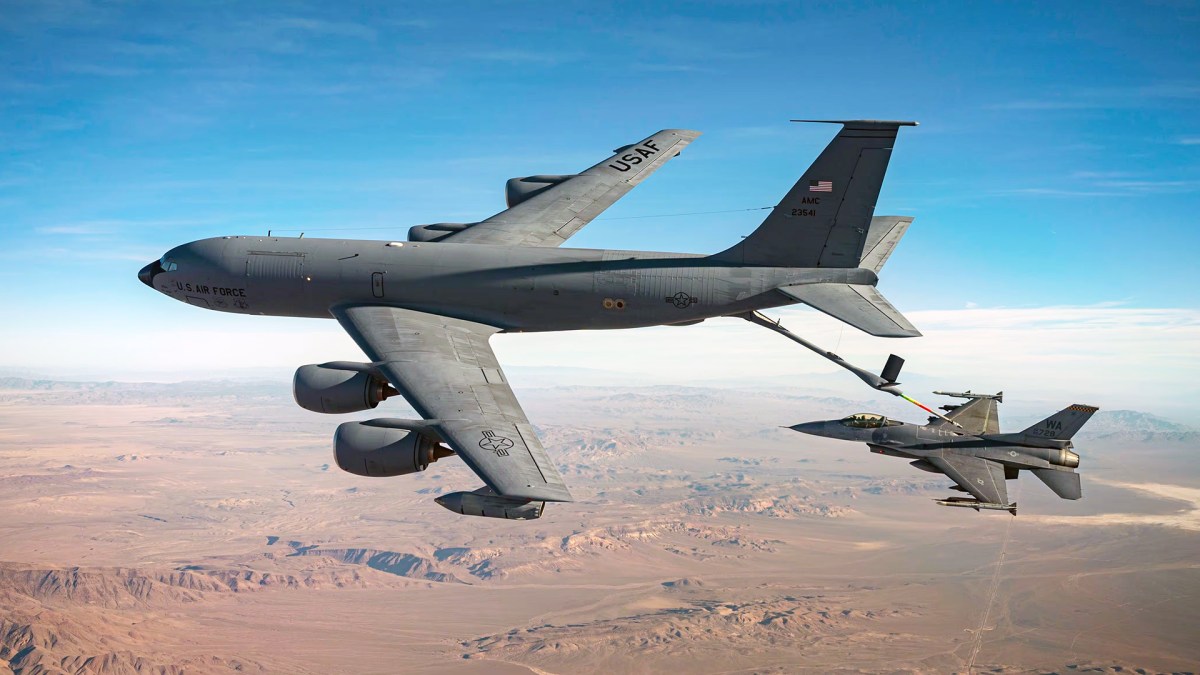
ది వార్ జోన్ నుండి నివేదన ప్రకారం, ఆపరేషన్ ఎపిక్ ఫ్యూరీకి సపోర్ట్ ఇచ్చేందుకు ఏరియల్ రిఫ్యూలింగ్ కార్యకలాపాలు నిర్వహిస్తున్నప్పుడు యు.ఎస్. ఎయిర్ ఫోర్స్ KC-135 స్ట్రాటోటాంకర్ ఇరాక్లో క్రాష్ అయింది. ఈ ఘటన గత సంవత్సరాలలో ఈ ప్రాంతంలో చాలా ముఖ్యమైన సైనిక విమానయాత్ర నష్టాలలో ఒకటిని సూచిస్తుంది, ఇది ఎయిర్ ఫోర్స్ యొక్క చాలా సాధారణీకృత ముఖ్యమైన విమానం రకాలను కలిగి ఉంది మరియు ఆపరేషనల్ టెంపో, నిర్వహణ స్థిరత్వం మరియు థియేటర్లో సాక్షాత్ కర యుద్ధ సపోర్ట్ మిషన్ల పరిస్థితుల గురించి ప్రశ్నలను లేవనెత్తుతుంది.
KC-135 స్ట్రాటోటాంకర్ యు.ఎస్. ఏరియల్ రిఫ్యూలింగ్ సామర్థ్యం యొక్క వెన్నెముక, ఇది ఫైటర్లు, బాంబర్లు, నిఘా విమానాలు మరియు ఇతర ప్ల్యాట్ఫారమ్లను ఆధునిక ఆపరేషనల్ థియేటర్ల యొక్క విశాల దూరాల్లో వాటి పరిధి మరియు సహనశీలతను విస్తరించడానికి సక్షమ చేస్తుంది. ఒక ట్యాంకర్ను కోల్పోవడం కేవలం ఒక విమానం యొక్క నష్టం కాదు — ఇది చాలా ఎక్కువ సంఖ్యలో సమన్విత మరియు సపోర్ట్ విమానాలను టార్గెట్ ప్రాంతాల్లో సమర్థవంతంగా ఆపరేట్ చేయడానికి అనుమతించే రిఫ్యూలింగ్ సామర్థ్యాన్ని తగ్గిస్తుంది. ఈ గుణకార ప్రభావం ట్యాంకర్ నష్టాలను వాటి తక్షణ ఖర్చు కంటే సాధారణీకృత ఆర్థిక ముఖ్యతను చేస్తుంది.
ఎయిర్ ఫోర్స్ అధికారులు ఒక విచారణ నిర్వహిస్తున్నప్పుడు మరియు సాక్షాత్ కర ఆపరేషన్ చుట్టూ సంప్రదార్ణలను నిర్వహిస్తున్నప్పుడు క్రాష్ కు సంబంధించిన వివరాలు పరిమితమైనవిగా ఉన్నాయి. ప్రారంభ నివేదన ఒక రిఫ్యూలింగ్ సార్టీ సమయంలో విమానం క్రిందికి వెళ్లిందని సూచిస్తుంది, కానీ కారణం యంత్రోపకరణ వైఫల్యం, శత్రుత్వ చర్య, వాతావరణం లేదా సిబ్బంది కారకాలు ఉన్నాయో లేదో నివేదన సమయంలో నిర్ధారించబడలేదు. సిబ్బంది స్థితి బహిరంగంగా నిర్ధారించబడలేదు, ఇది తరువాతి బంధువులకు నోటిఫికేషన్ ముందు బహిరంగ ప్రకటనను సైన్యం యొక్క ప్రామాణిక ఆచరణకు అనుగుణంగా ఉంది.
ఆపరేషన్ ఎపిక్ ఫ్యూరీ
ఆపరేషన్ ఎపిక్ ఫ్యూరీ ఇరాక్లో లేదా విస్తృత మధ్యపూర్వ ప్రాంతంలో ఒక సక్రియ గతిశీల సైనిక ఆపరేషనంగా కనిపిస్తుంది. ఈ పేరు ఓపెన్-సోర్స్ నివేదనలో ఇంతకు ముందు విస్తృతంగా ప్రచారం చేయబడలేదు, ఇది ఒక ఇటీవల ప్రారంభించిన ఆపరేషన్ లేదా ప్రకటన కు సంబంధించిన ఓపెన్ సంప్రదార్ణ పరిమితులతో నిర్వహించిన ఆపరేషన్ను సూచిస్తుంది. ఏరియల్ రిఫ్యూలింగ్ విమానాల ఉపయోగం ఆపరేషన్ స్ట్రైక్ లేదా అంతర్గత ఇంధనం మాత్రమే అందించగల సహనశీలతకు విస్తరణ సమయం అవసరమయ్యే సస్టెయిన్డ్ ఎయిర్ పెట్రోల్ మిషన్లను కలిగి ఉంటుందని సూచిస్తుంది.
విస్తృత ప్రాంతీయ సందర్భం ఇరాక్ మరియు సిరియా అంతటా యు.ఎస్. సైనిక ఉనికిని కలిగి ఉంది, ఇక్కడ అమెరికా సైనిక దళాలు ఆతంకవాదం-వ్యతిరేక మిషన్లు నిర్వహిస్తాయి మరియు ఇరాకీ భద్రతా దళాలకు సలహా ఇస్తాయి, అలాగే ఇరాన్-బ్యాకప్డ్ మిలిటెంట్ సమూహాలకు వ్యతిరేక నిరోధకత, ఇవి పాక్షికంగా యు.ఎస్. సైనిక దళాలకు లక్ష్యభేధం చేశాయి. నిర్దిష్ట ఆపరేషన్ యొక్క స్వభావం — దాని లక్ష్యాలు, లక్ష్యాలు మరియు సంబంధిత దళాలు — సక్రియ అమలు సమయంలో అధికారులు బహిరంగంగా ప్రకటించని ఆపరేషనల్ సూక్ష్మమైన సమాచారం.
ఇరాక్లో ట్యాంకర్ సపోర్ట్ కలిగిన ఆపరేషన్లు సాధారణంగా వివిధ దూరాలకు ఆధారిక విమానాలు కవర్ చేయగల విస్తారం కంటే ఆధారిక ఉనికిని కలిగిన మిషన్లతో సంబంధం కలిగి ఉంటాయి. ఈ ఆపరేషనల్ నమూనా కొనసాగిన పర్యవేక్ష కలిగిన స్ట్రైక్ మిషన్లు, సర్చ్ ఎండ్ రెస్క్యూ ఆపరేషన్లు లేదా ప్రాంతంలో ప్రధాన ఆపరేటింగ్ బేసుల నుండి ముఖ్యమైన దూరాలలో సాపేక్ష సైనిక దళాలకు సపోర్ట్ కు సంబంధం కలిగి ఉంటుంది.
KC-135 స్ట్రాటోటాంకర్
KC-135 స్ట్రాటోటాంకర్ 1957లో యు.ఎస్. ఎయిర్ ఫోర్స్కు సేవ ఎంపిక చేసుకుంది మరియు ఆరు దశకాల కంటే ఎక్కువ సమయం తరువాత ఎయిర్ ఫోర్స్ ఇన్వెంటరీలో ప్రధాన ఏరియల్ రిఫ్యూలింగ్ ప్ల్యాట్ఫారమ్గా ఉంది. విమానం ఆధునిక అవియోనిక్లు, ఇంజన్లు మరియు వ్యవస్థలతో నిరంతరం అప్గ్రేడ్ చేయబడింది, కానీ ఆధారిక ఫ్రేమ్ వర్క్ దానిని ఎగిరిస్తున్న చాలా ఎయిర్క్రూ సభ్యుల కంటే పాతది — ఒక పరిస్థితి ఆధారిక డిజైన్ యొక్క అసాధారణ నిర్ణయం మరియు ఇతర సైనిక సంపాదన ప్రాధాన్యాల ముందు ప్రతిస్థాపన కార్యక్రమాలకు ఫండింగ్ ఆచరణ యొక్క దీర్ఘకాలిక సవాళ్లను ప్రతిబింబిస్తుంది.
ఎయిర్ ఫోర్స్ సుమారు 400 KC-135లను ఆపరేట్ చేస్తుంది, దీనిని విశ్వంలో విజయవంతమైన ట్యాంకర్ ఫ్లీట్గా చేస్తుంది. దాని వయస్సు ఉన్నప్పటికీ, KC-135 దాని మొత్తం ఫ్లైట్ గంటలకు వ్యతిరేకంగా కొలితే బలిష్ఠ సమస్య నిర్ణయం రక్షణ రేట్లను కలిగి ఉంది, అయితే నిర్జన ప్రయోగ పরిసరాలలో చాలా ఆపరేషనల్ టెంపోలో సాంప్రదాయిక విమానం నిర్వహణ సవాళ్లు బాగా-డాక్యుమెంటెడ్. ప్రతి ఎయిర్ఫ్రేమ్ నష్టం సమర్థకుల సందర్భంలో పర్యవేక్షణ కార్యకలాపాలకు అందుబాటులో ఉన్న మొత్తం ట్యాంకర్ సామర్థ్యాన్ని తగ్గిస్తుంది, దీర్ఘకాలిక అధిక-టెంపో ఆపరేషన్ల సమయంలో గుర్తించిన ఒత్తిడిని తీవ్రతరం చేస్తుంది.
KC-135 కు నిర్ణీత స్థానం — KC-46A పెగాసస్ — ఖర్చిన అధిక సంఖ్యలో, ఆలస్యాలు మరియు ఆపరేషనల్ సేవకు దాని ప్రవేశాన్ని నెమ్మదించిన నిరంతర సాంకేతిక సమస్యలతో ఒక సమస్యాత్మక విస్తృత ప్రోగ్రామ్ను ఎదుర్కొంటుంది. ఎయిర్ ఫోర్స్ KC-46లను సరఫరా చేసుకుంది కానీ ఫ్లీట్ ఇంకా KC-135లను ఒక-నుండి-ఒకటి ఆధారంపై ప్రతిస్థాపించటానికి చాలా కన్నా చిన్నది, ఇది నిర్జన ట్యాంకర్ ఫ్లీట్ రిఫ్యూలింగ్ కార్యకలాపాలకు సంవత్సరాల కాలం ముఖ్యమైనదిగా ఉండటం మరియు ఈ ఘటన వంటి నష్టాలు సంకలిత సాధారణీకృత నిజమైన బరువును కలిగి ఉండటం అర్థం చేస్తుంది.
సైనిక విమానయాత్ర నిర్ణయం మరియు ఆపరేషనల్ టెంపో
సైనిక విమానయాత్ర సాంప్రదాయిక విమానయాత్ర కంటే ఆప్జెక్టివ్గా ఎక్కువ-ఆపద ఎన్విరన్మెంట్లో కర్మానికర్తలు, ఎక్కువ ఎక్సపోజర్ను స్విచ్చెస్ ఆర్థిక, అత్యంత వాతావరణం, సీమిత ఎన్విరన్మెంట్లు మరియు సాంప్రదాయిక కార్యక్రమాలను భూమిపై చేస్తుంటారు, ఆపరేషనల్ నిర్ణయం. సైనిక విమానాలను కలిగిన క్రాష్లు సమస్త సేవలలో ఇది నిరంతరం సంభవిస్తాయి మరియు సైనిక విమానం క్రాష్లు, యూనివర్సల్ నిర్ణయం వైఫల్యాలను సూచించవు, అయితే ప్రతిটి ఘటన సమర్థక కారకాలను స్పష్టపరచటానికి మరియు ఫ్లీట్ వ్యాప్తంగా పునరావృత్తిని నిరోధించటానికి సమీక్ష సమీక్ష తీసుకుంటుంది.
యు.ఎస్. మధ్యయుగమం, ఐరోపా మరియు ఇండో-పసిఫిక్ జుడా అంతటా విమానయాత్ర సంచిత సంచార ఆపరేషన్ల ఆపరేషనల్ టెంపో — ప్రధాన చిత్ర సైనిక విమానాలు మరియు సిబ్బందిపై ముఖ్యమైన డిమాండ్లను చేస్తుంది. ట్యాంకర్ విమానాలు ప్రధానంగా ఫ్లైట్ గంటలను జమ చేస్తాయి ఎందుకంటే అవి విస్తరణ మిషన్లకు సపోర్ట్ చేస్తాయి, మరియు KC-135 ఫ్లీట్ ఎన్హాన్సిల్డ్ మిలిటరీ మరియు నిరోధక కార్యకలాపాలలో ప్రాంతాలకు సపోర్ట్ నిర్వహణ సమయంలో ఒక డిమాండింగ్ సూచీ నిర్వహించింది. నిర్జన ఎన్విరన్మెంట్లలో ఉద్రేక్ చేసిన నిర్వహణ బృందాలు బేస్-లెవల్ నిర్వహణ సુবిధల ఎదుర్కొనని సవాళ్లను ఎదుర్కొంటాయి, ఎన్ రోడ్ విచారణలో ఆపరేషనల్లీ నియోగిత ఎన్విరన్మెంట్లలో క్రాష్లను మూల్యాంకనం చేసేటప్పుడు ఒక కారకం చేస్తుంది.
ఈ ఘటన విచారణ యంత్రోపకరణ రికార్డులను, సిబ్బంది అర్హతలు మరియు సిబ్బంది విశ్రామం సమ్మతిని, క్రాష్ సమయంలో ఉన్న వాతావరణాన్ని, విమానం పెరుగుతో ఉన్నప్పుడు ఫ్లైట్ డేటా మరియు కాకిట్ వాయిస్ రికార్డర్ సమాచారం చేస్తుంది. సైనిక విమానం ప్రమాద విచారణ ఫలితాలు చివరకు సమస్త ఫ్లీట్లో నిర్ణయ పరిస్థితులను విస్తరించటానికి ప్రచారం చేయబడతాయి, అయితే ఆపరేషనల్-సూక్ష్మమైన వివరాలు ఆపరేషనల్-సంచారం సంచార చట్టం సంచార నిర్వహణ నుండి సంచారంపై ఉన్నవి చేసవచ్చు.
సాక్షాత్ కర ఆపరేషన్ల కోసం ఇంప్లిकేషన్లు
KC-135 ఫ్లీట్ కోల్పోవడం ఆపరేషన్ ఎపిక్ ఫ్యూరీకు అందుబాటులో ఉన్న రిఫ్యూలింగ్ సపోర్ట్కు సర్దుబాటుల సమయం మరియు అదే ట్యాంకర్ పూల్లో కుట్టుకుంటున్న ఇతర మిషన్లను అవసరం చేస్తుంది. ఎయిర్ మొబిలిటీ కమాండ్, ఇది ట్యాంకర్ ఫ్లీట్ని నిర్వహిస్తుంది, విమానం నష్టాలకు ప్రతిస్పందనలో సరఫరాను పున: ఆపరేట్ చేయటానికి ప్రక్రియలను కలిగి ఉంది, కానీ పూర్తిగా చాలా-డిమాండ్ థియేటర్లలో కవరేజ్ సముద్రం సరఫరా ప్రకృతులు ఉన్నవి, అక్కడ ట్యాంకర్ సరఫరా సమకాలీన మిషన్లకు సమర్థవంతంగా సంచితమైనది.
ఘటన ఆపరేషన్ విచారణ ఫలితాలు కోసం సైనిక నేతృత్వం నుండి ఆపరేషన్ రిస్క్ ప్రొఫైల్ మరియు సంపద సమర్ధ కెందుకని విచారణ ఆకర్షిస్తుంది ఫిర్యూజ్ మరియు, సంభవితంగా, సంసదీయ పర్యవేక్షణ విస్తరణ నుండి విపరీతమైనవి. KC-135 నష్టాలు కామవటికీ నిరంతరం విమానయాత్ర ప్రమాద సమీక్ష సరిహద్దులను అందుకుంటాయి, ముఖ్యంగా ఆపరేషన్లు సంభవితంగా విస్తరణ సంసదీయ మరియు జనసాధారణ ఆసక్తిని పరిశీలిస్తున్నప్పుడు. ఎయిర్ ఫోర్స్ సమీక్ష ఫలితాలకు ప్రతిస్పందన విచారణ సిఫారిశులకు ఆధారంపై మిగిలిన KC-135 ఫ్లీట్కు ఆపరేషనల్ పరిమితుల కోసం సూచనలను పర్యవేక్షణ చేస్తుంది.
ఈ వ్యాసం twz.com నుండి నివేదన ఆధారపడుతుంది. మూల వ్యాసాన్ని చదవండి.
Originally published on twz.com