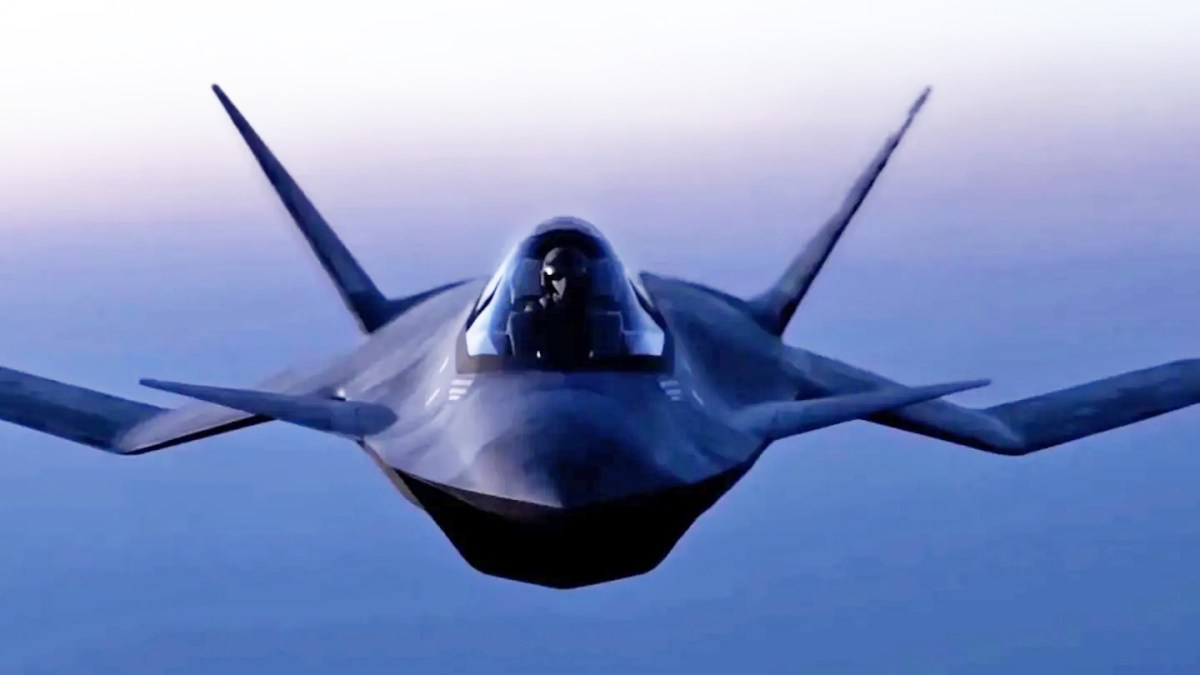
జర్మనీ, స్పెయిన్లు యూరోప్ యొక్క తదుపరి తరం యుద్ధవిమాన ప్రయత్నాన్ని మళ్లీ ప్రారంభించేందుకు ముందుకు సాగుతున్నాయి
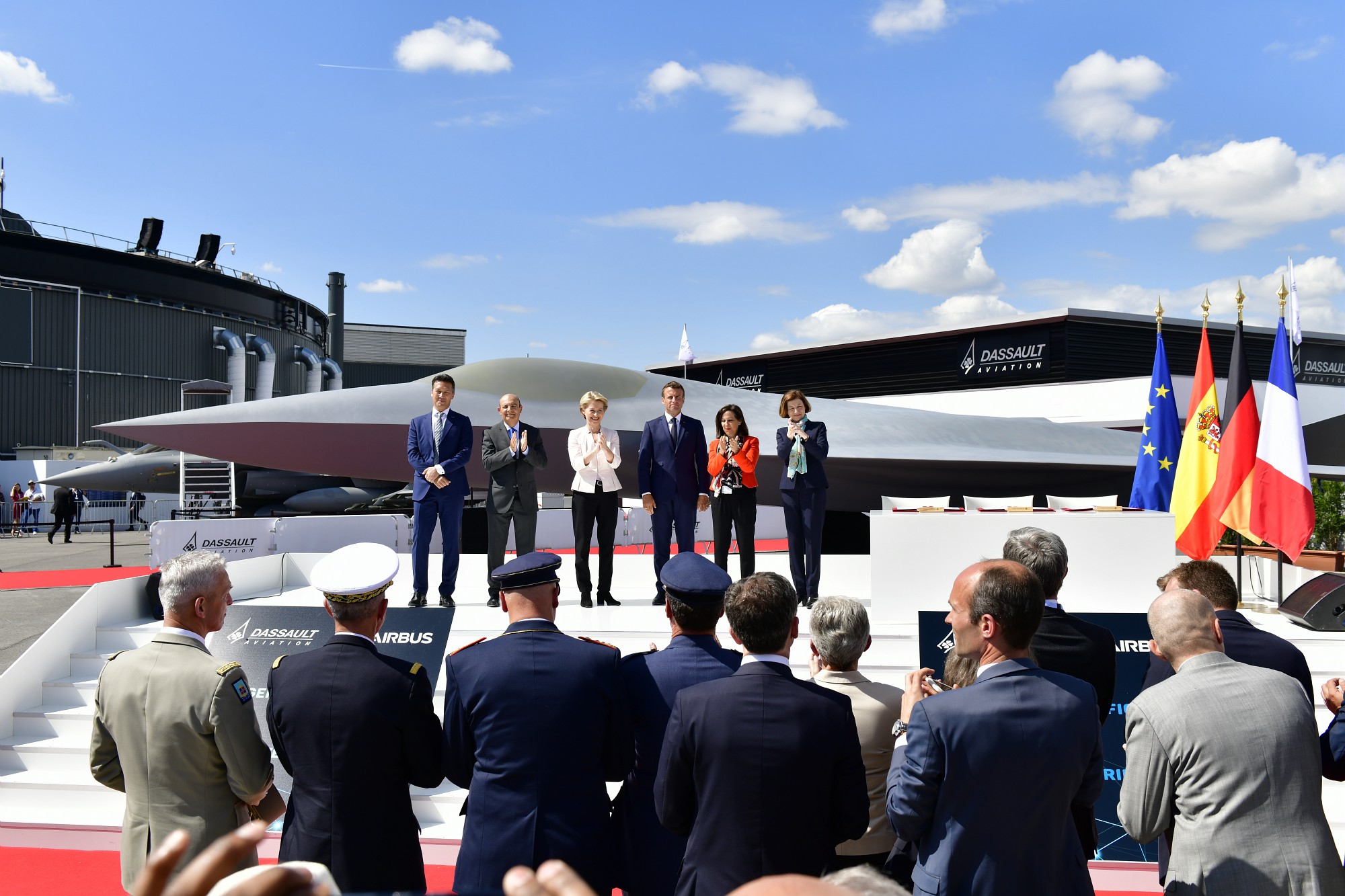
జర్మనీ, స్పెయిన్లలోని రక్షణ మరియు ఏరోస్పేస్ సంస్థల కూటమితో కలిసి Airbus, Team Gen 6 అనే కొత్త కార్యక్రమాన్ని ప్రారంభించింది. ఇది, మొదట్లో ఫ్రాంకో-జర్మన్ నేతృత్వంలో సాగిన New Generation Fighter ప్రయత్నం తన మునుపటి రూపంలో ప్రభావవంతంగా కూలిపోయిన తర్వాత, ఆరవ తరం యుద్ధ విమానం అభివృద్ధిని తిరిగి ప్రారంభించే ప్రయత్నం.
ఈ చర్య, యూరోప్ యొక్క భవిష్యత్ యుద్ధ విమాన ప్రణాళికలు కొత్త దశలోకి ప్రవేశిస్తున్నాయని ఇప్పటివరకు ఉన్న అత్యంత స్పష్టమైన సంకేతాలలో ఒకటి. విస్తృత Future Combat Air System, లేదా FCAS, లో crewed కేంద్రంగా ఉండేందుకు New Generation Fighter, లేదా NGF, ను ఉద్దేశించారు. ఆ విస్తృత FCAS రూపకల్పన ఇంకా ముందుకు సాగుతోందని చెప్పబడుతున్నప్పటికీ, యుద్ధ విమాన భాగానికి ఇప్పుడు భిన్నమైన, మరింత చురుకైన పరిశ్రమా నిర్మాణం అవసరమని Airbus అంటోంది.
ప్రాయోగికంగా చూస్తే, Team Gen 6 అనేది పారిస్ మరియు బెర్లిన్ మధ్య చీలిక కారణంగా మునుపటి ఏర్పాటులో వచ్చిన అంతరాయం తర్వాత వేగాన్ని నిలుపుకోవడానికి Airbus తీసుకున్న ప్రయత్నం. యూరోపియన్ సార్వభౌమత్వం వైపు ఒక అడుగుగా ఈ కార్యక్రమాన్ని కంపెనీ ప్రదర్శించింది, ఇది ప్రాజెక్టు చుట్టూ ఉన్న రాజకీయ, పరిశ్రమా స్థాయిల పణాలనే ప్రతిబింబించే భాష.
Team Gen 6లో ఏముంది
ఇచ్చిన మూల వచనం ప్రకారం, ప్రారంభంలో ఎనిమిది జర్మన్ సంస్థలు ఒక వ్యూహాత్మక స్థితిగతుల పత్రంపై సంతకం చేశాయి: Autoflug, Diehl Defense, Hensoldt, Liebherr, MBDA Germany, MTU Aero Engines, Rohde and Schwarz, మరియు Airbus. ఆ సంస్థలు ఇప్పుడు GMV, Grupo Oesia, Indra, ITP Aero, మరియు Sener వంటి స్పానిష్ సంస్థలతో దగ్గరగా సమన్వయమై ఉన్నాయని Airbus తెలిపింది.
ఆ నిర్మాణం ముఖ్యమైనది, ఎందుకంటే ఆరవ తరం యుద్ధవిమాన కార్యక్రమాలు ఒకే కాంట్రాక్టర్ లేదా ఒకే దేశం ఒంటరిగా చేపట్టడానికి చాలా పెద్దవిగా ఉంటాయి. వాటికి ఎయిర్ఫ్రేమ్ రూపకల్పన, propulsion, సెన్సర్లు, నెట్వర్కింగ్, ఆయుధ సమీకరణ, భద్రమైన కమ్యూనికేషన్లు, మరియు దీర్ఘకాలిక మద్దతు ప్రణాళిక అవసరం. అందువల్ల ఏర్పడుతున్న కూటమి పూర్తయిన ప్రోగ్రామ్ కంటే, జర్మనీ మరియు స్పెయిన్లు యూరోప్ యొక్క తదుపరి వాయు యుద్ధ నిర్మాణంలో కేంద్ర పాత్రధారులుగా కొనసాగాలనే పరిశ్రమా ప్రకటనగా ఎక్కువగా కనిపిస్తోంది.
తరువాత ఏం జరగాలన్నదానిపై Airbus ప్రజా సందేశం స్పష్టంగా ఉంది: సంస్థలకు సామర్థ్యాలు, సామర్థ్య పరిమాణం ఉన్నాయి, కానీ ఇప్పుడు విధాననిర్ణేతలు మరియు వైమానిక దళాలతో దగ్గరి అనుసరణ అవసరం. అంటే రాజకీయ ఆమోదం, స్థిరమైన ప్రజా నిధులు, మరియు స్పష్టమైన అవసరాల ప్రక్రియ ఇంకా లేని భాగాలుగా ఉన్నాయి.
ఇది యూరోప్కు ఎందుకు ముఖ్యం
మునుపటి ఏర్పాటు కూలిపోవడం ముఖ్యమైనది, ఎందుకంటే ఆరవ తరం కార్యక్రమాలు కేవలం పాతబడుతున్న యుద్ధవిమాన బృందాలను భర్తీ చేయడమే కాదు. అవి దశాబ్దాల పాటు పరిశ్రమా సరఫరా గొలుసులు, ఎగుమతి ప్రభావం, సాంకేతిక సార్వభౌమత్వం, మరియు సైనిక పరస్పర అనుకూలతను ఆకృతీకరిస్తాయి. ఎయిర్ఫ్రేమ్ మరియు mission system వైపు నాయకత్వం వహించే దేశం సాధారణంగా ఉద్యోగాలు, పరిశోధన వ్యయం, మరియు భవిష్యత్ అప్గ్రేడ్ మార్గాలను కూడా తన చుట్టూ నిలబెడుతుంది.
ఉన్నత స్థాయి మార్కెట్లో యూరోప్ కాని యుద్ధవిమానాలపై అధిక ఆధారపడకూడదనే లక్ష్యాన్ని యూరోప్ చాలా కాలంగా పాటించడానికి ప్రయత్నిస్తోంది. విశ్వసనీయమైన స్వదేశీ తదుపరి తరం యుద్ధవిమానం ఆ ఆశయంలోని భాగం. కానీ అదే లక్ష్యం నాయకత్వం, మేధాస్వత్తు, workshare, మరియు వ్యూహాత్మక నియంత్రణపై జాతీయ ప్రత్యర్థిత్వాలతో మళ్లీ మళ్లీ ఢీకొంది.
అందువల్ల Team Gen 6 ఒక పునరుద్ధరణ ప్రయత్నం కూడా, ఒక హెచ్చరిక కూడా. యూరోప్ యొక్క భవిష్యత్ యుద్ధ విమానంపై ఉన్న ఆకాంక్ష ఇంకా అలాగే ఉన్నదని ఇది చూపుతుంది, కానీ రాజకీయ సంబంధాలు చెడిపోతే బహుళజాతి రక్షణ కార్యక్రమాలు ఎంత సులభంగా బలహీనపడతాయో కూడా ఇది తెలియజేస్తుంది.
FCAS కొనసాగుతోంది, కానీ కేంద్రం మారుతోంది
మూల పదార్థంలో ఉన్న ముఖ్యమైన వివరాల్లో ఒకటి, విస్తృత FCAS “system of systems” ఇంకా ముందుకు సాగుతోందని Airbus చెప్పడం. దీని అర్థం, అనుసంధానిత వాయు యుద్ధంపై యూరోప్ యొక్క విస్తృత దృష్టి వదిలిపెట్టబడలేదన్నది. FCAS ఒకే యుద్ధవిమానం కంటే ఎక్కువగా, crewed మరియు uncrewed అంశాల మధ్య నెట్వర్కింగ్ మరియు సహకారం మీద కేంద్రీకరించబడింది.
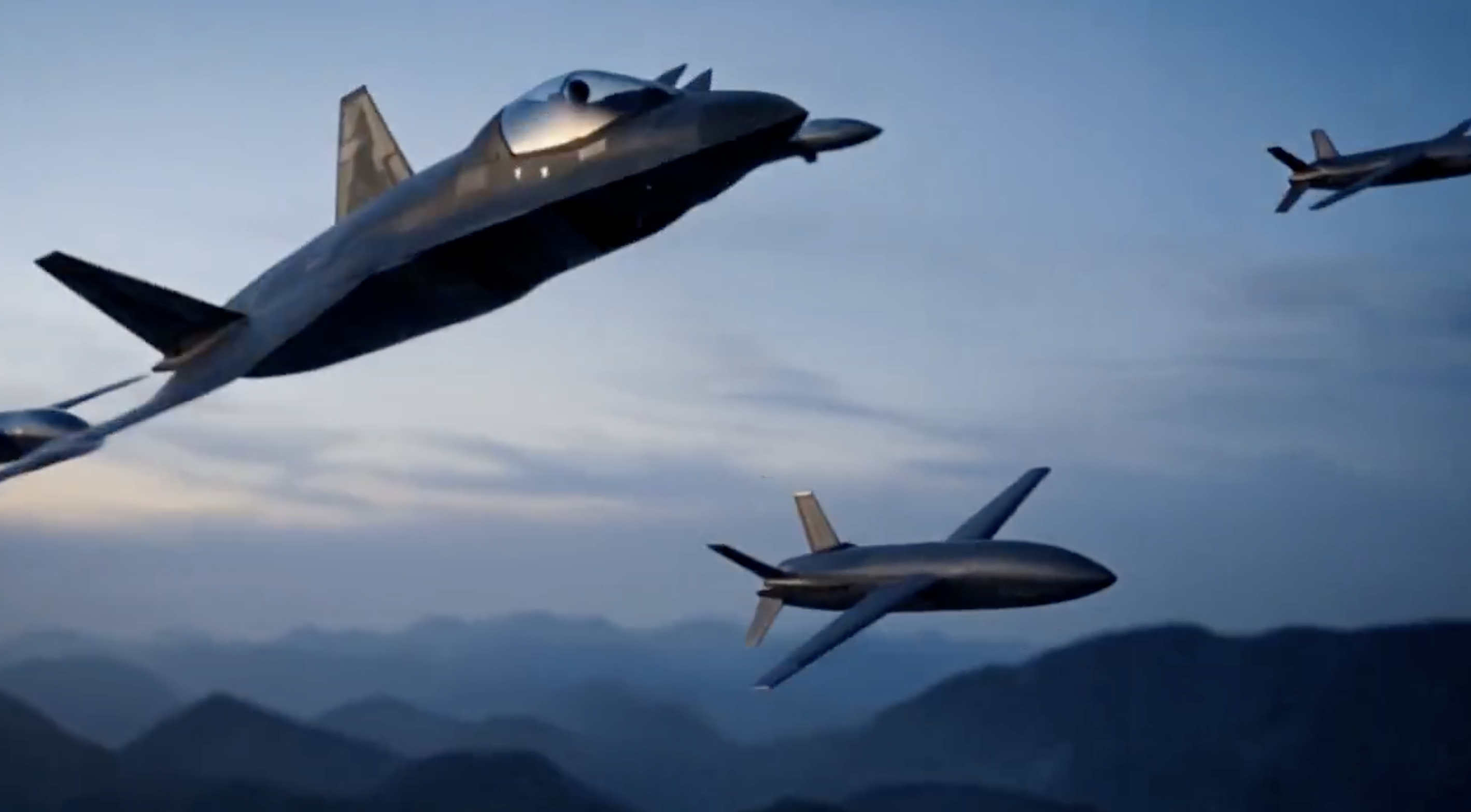
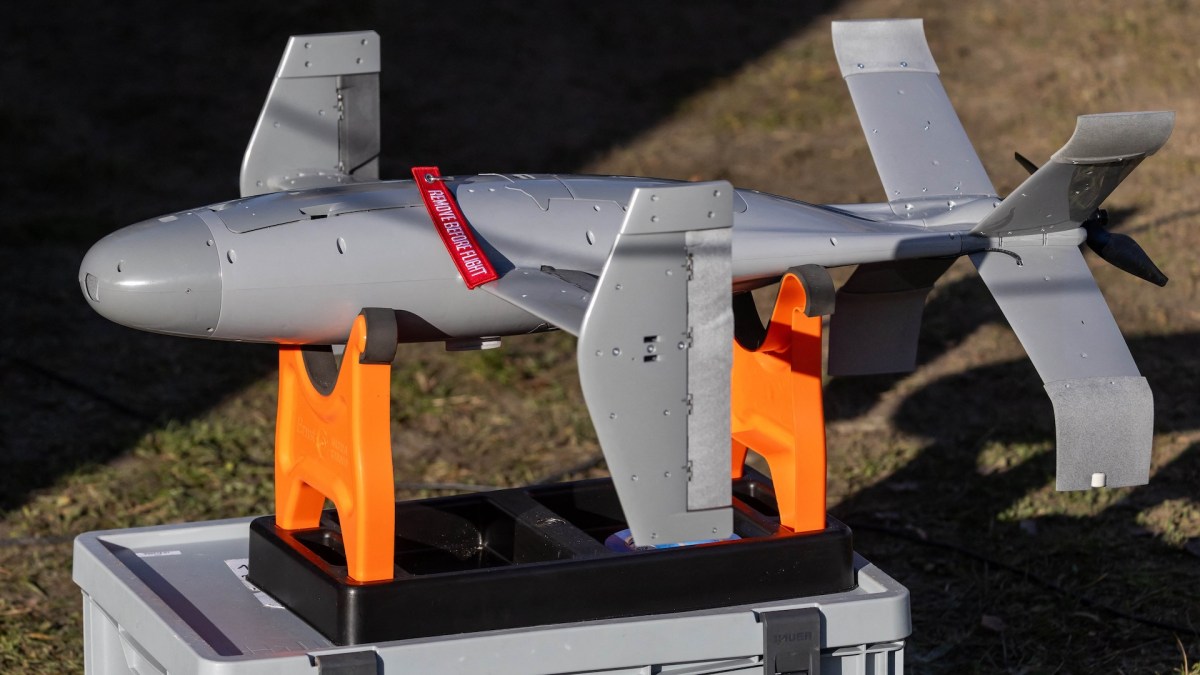
మూలంలో పేర్కొన్న Airbus చిత్రాలు కూడా remote-carrier రకమైన డ్రోన్లతో కలిసి పనిచేసే భవిష్యత్ యుద్ధవిమానాన్ని సూచిస్తున్నాయి. ఇది ఆరవ తరం వాయు యుద్ధం సాధారణంగా ఎలా రూపుదిద్దుకుంటోందో దానికి అనుగుణంగా ఉంది: ఒకే జెట్గా కాకుండా, అనుసంధానిత వేదికలు మరియు ప్రభావాల పెద్ద కుటుంబంలో ఒక కమాండ్ నోడ్గా.
ఆ విస్తృత FCAS నిర్మాణం కొనసాగుతూనే crewed విమాన భాగం పునర్వ్యవస్థీకరించబడితే, Team Gen 6 మిగిలిన వ్యవస్థ మళ్లీ కలిసే కేంద్రబిందువుగా మారవచ్చు. కానీ అది ఖచ్చితమైన ఫలితం కాదు. ఒక పరిశ్రమా కూటమి ఉద్దేశాన్ని సూచించగలదు; కానీ ప్రభుత్వ నిబద్ధత లేకుండా అది నిధులతో నడిచే అధికారిక కార్యక్రమం కాకుండా ప్రారంభ చర్యగానే మిగిలిపోతుంది.
ముందున్న ప్రమాదాలు
కొత్త కూటమికి ఇంకా రాజకీయ మద్దతు, భారీ నిధులు, మరియు బహుశా అదనపు భాగస్వాములు అవసరమని మూల వచనం స్పష్టంగా చెబుతోంది. అదే ప్రధాన పరిమితి. ఆరవ తరం అభివృద్ధి ఖరీదైనది, నెమ్మదిగా సాగే ప్రక్రియ, మరియు రాజకీయంగా సున్నితమైనది. ఇది రక్షణ, ఇంధనం, మరియు పరిశ్రమా విధానాలపై యూరోపియన్ ప్రభుత్వాలు పోటీ డిమాండ్లను ఎదుర్కొంటున్న సమయంలో జరుగుతోంది.
సమన్వయ అంశం కూడా ఉంది. జర్మన్ మరియు స్పానిష్ నేతృత్వంలో మళ్లీ ప్రారంభించడం ప్రాజెక్టులోని ఒక భాగాన్ని స్థిరీకరించవచ్చు, కానీ పాత ప్రయత్నాన్ని పట్టాలు తప్పించిన విస్తృత ప్రశ్నలను ఇది ఆటోమేటిక్గా పరిష్కరించదు. నాయకత్వం, పాలన, మరియు పరిశ్రమా బాధ్యతల విభజన వంటి అంశాలు ప్రభుత్వాలు మొదట్లోనే వాటిని బంధించకపోతే వివాదాస్పదంగానే ఉంటాయి.
అయితే, Team Gen 6 ప్రారంభం యూరోప్ యొక్క భవిష్యత్ యుద్ధవిమాన చర్చను కూలిన తర్వాతి అనిశ్చితి నుంచి, తదుపరి నిర్మాణాన్ని ఎవరు నిర్వచిస్తారనే కొత్త పోటీలోకి తీసుకెళ్లింది. జర్మనీ, స్పెయిన్లు ఆ సమాధానాన్ని ఎదురుచూడకుండా, దానిని రూపుదిద్దుకోవడానికి Airbus మరియు దాని భాగస్వామ్య సంస్థలు ప్రయత్నిస్తున్నాయి.
- మునుపటి NGF ప్రయత్నం కూలిపోయిన తర్వాత Airbus Team Gen 6ను ప్రారంభించింది.
- ఆరవ తరం యుద్ధవిమానాన్ని చుట్టూ జర్మన్, స్పానిష్ సంస్థలు కొత్త పరిశ్రమా సమూహాన్ని ఏర్పాటు చేశాయి.
- విస్తృత FCAS భావన ఇంకా కొనసాగుతోందని వివరించబడింది, కానీ యుద్ధవిమానం భాగానికి ఇప్పుడు కొత్త నిర్మాణం అవసరం.
- రాజకీయ ఆమోదం, నిధులు, మరియు సాధ్యమైన కొత్త భాగస్వాముల అంశాలు ఇంకా పరిష్కారం కాలేదు.
ఈ వ్యాసం twz.com నివేదిక ఆధారంగా ఉంది. అసలు వ్యాసం చదవండి.
Originally published on twz.com