షింగిల్స్ టీకా అధ్యయనం హృదయ-ఆరోగ్యానికి సంభావ్య లాభాన్ని సూచిస్తోంది
అమెరికాలో జరిగిన ఒక పెద్ద సహజ ప్రయోగం, పునఃసంయోజిత షింగిల్స్ టీకా హర్పీస్ జోస్టర్ను నిరోధించడమే కాకుండా మరింత చేయగలదని సూచిస్తోంది. 2026 ఆగస్టు 26న Nature Medicine లో ప్రచురితమైన ఒక సంక్షిప్త సమాచారంలో, 60 ఏళ్లు మరియు అంతకంటే ఎక్కువ వయస్సు ఉన్న, కొత్త పునఃసంయోజిత టీకా పొందిన పెద్దలలో, అమెరికా పాత live attenuated షాట్ నుండి దూరమైన కొద్దిగా ముందు టీకా పొందిన సమానమైన పెద్దలతో పోలిస్తే, అనేక ప్రధాన హృదయ-రక్తనాళ ఫలితాల దీర్ఘకాలిక భారం తక్కువగా ఉందని పరిశోధకులు నివేదించారు.
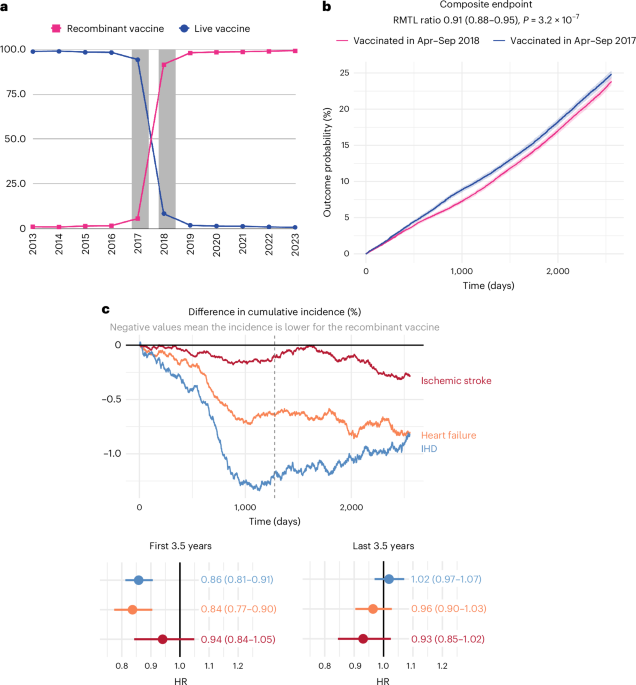
ఈ అధ్యయనం టీకా స్వయంగా నేరుగా హృదయాన్ని రక్షిస్తుందని నిరూపించదు. అయితే ఈ సంబంధం నిజమని వాదనను ఇది బలపరుస్తుంది, ఎందుకంటే పోలిక టీకా తీసుకున్నవారు మరియు తీసుకోనివార మధ్య చేయబడలేదు; అలాంటి రూపకల్పనలో ఎవరెవరు టీకా తీసుకోవాలని ఎన్నుకుంటారనే అంశం వల్ల గణనీయమైన వక్రీకరణ ఏర్పడవచ్చు. బదులుగా, పరిశోధకులు అమెరికాలో live attenuated shingles vaccine నుండి recombinant version కి జరిగిన వేగవంతమైన మార్పును ఒక నిజ-ప్రపంచ సహజ ప్రయోగంగా ఉపయోగించారు.
ఈ అధ్యయన రూపకల్పన ఎందుకు ముఖ్యం
ముందరి పరిశోధనలు shingles టీకాకరణ హృదయ-రక్తనాళ ప్రమాదాన్ని తగ్గించవచ్చని సూచించాయి, కానీ ఆ సాక్ష్యంలో చాలా భాగం టీకా తీసుకున్నవారిని తీసుకోనివారితో పోల్చింది. ఇది confounding కు చాలా అవకాశం ఇస్తుంది, ఎందుకంటే టీకా కోసం ముందుకు వచ్చే వ్యక్తులు, రాని వ్యక్తుల కంటే, హృదయ-ఆరోగ్యాన్ని కూడా ప్రభావితం చేసే విధాలుగా భిన్నంగా ఉండవచ్చు.
ఆ సమస్యను తగ్గించడానికి, రచయితలు recombinant టీకాకు మార్పుకు ముందు వెంటనే టీకా పొందిన పెద్దలతో, దాని తర్వాత వెంటనే టీకా పొందిన పెద్దలను పోల్చారు. ప్రాక్టికల్గా, దీని అర్థం రెండు గుంపులు కూడా టీకా తీసుకున్నవారే, కానీ standard of care త్వరగా మారడంతో వారు వేర్వేరు shingles ఉత్పత్తులను పొందారు.
తర్వాత పరిశోధకులు ischemic heart disease, heart failure, మరియు ischemic strokeతో కూడిన ఒక సమ్మిళిత హృదయ-రక్తనాళ endpointను ట్రాక్ చేశారు. వారి ప్రధాన కొలత ఏడు సంవత్సరాల వ్యవధిలోని హృదయ-రక్తనాళ భారం; ఇది restricted mean time lost ద్వారా సంక్షిప్తీకరించబడింది.

పరిశోధకులు ఏమి కనుగొన్నారు
ప్రధాన ఫలితం ఏమిటంటే, live attenuated వెర్షన్కు బదులుగా recombinant shingles vaccine పొందిన వారిలో ఏడు సంవత్సరాల్లో హృదయ-రక్తనాళ భారం 9% తగ్గింది. నివేదించిన restricted mean time lost ratio 0.91 కాగా, 95% confidence interval 0.88 నుండి 0.95 వరకు ఉంది.
సమ్మిళిత endpointను విడదీసి చూశప్పుడు, రెండు ప్రధాన ఫలితాలకు రెండు లింగాలలోనూ సంకేతం గణనీయంగా కొనసాగింది:
- Ischemic heart disease: భారం 10% తగ్గింది, restricted mean time lost ratio 0.90.
- Heart failure: భారం 12% తగ్గింది, restricted mean time lost ratio 0.88.
Ischemic stroke విషయంలో, నమూనా మరింత పరిమితంగా ఉంది. పరిశోధకులు పురుషుల్లో గణనీయమైన సంబంధాన్ని నివేదించారు, భారం 12% తగ్గి restricted mean time lost ratio 0.88 గా ఉంది. అధ్యయన సారాంశంలో stroke కోసం రెండు లింగాల్లోనూ ఇదే స్థాయిలో గణనీయమైన గణాంక ప్రభావం నివేదించబడలేదు.
విశ్లేషణలో atrial fibrillation కోసం కూడా ఒక సంబంధం కనిపించింది, భారం 7% తగ్గింది. అదే సమయంలో, పరిశీలించిన ప్రతి cardiac, peripheral, మరియు cerebrovascular outcomeలో ఇలాంటి సంబంధాలు కనిపించలేదు. ఇది ముఖ్యమైనది, ఎందుకంటే ఫలితాలను అతిగా విస్తృతంగా అర్థం చేసుకోవడం సరైంది కాదని ఇది సూచిస్తోంది. కనిపించిన ప్రభావం ఎంపికాత్మకమైనది, సార్వత్రికమైనది కాదు.
ఇది జీవశాస్త్రీయంగా ఏమి సూచించవచ్చు
పేపర్ యొక్క abstract యంత్రాంగాన్ని తేల్చదు, మరియు రచయితలు అతిశయోక్తి చేయకుండా జాగ్రత్తపడుతున్నారు. అయినప్పటికీ, ఈ ఫలితాలు ఒక సాధ్యమైన పరిశోధనా దారికి సరిపోతాయి. Shingles అంటే varicella-zoster virus మళ్లీ సక్రియమవడం, మరియు ఆ ప్రక్రియతో సంబంధం ఉన్న inflammation లేదా vascular stress stroke మరియు ఇతర హృదయ-రక్తనాళ సంక్లిష్టతల చుట్టూ వైద్య చర్చలో చాలాకాలంగా భాగమే.
Shingles ను మరింత సమర్థవంతంగా నివారించడం downstream హృదయ-రక్తనాళ ఒత్తిడిని కూడా తగ్గిస్తే, ఒక recombinant టీకా కొన్ని outcomesలో తక్కువ భారంతో ఎందుకు సంబంధం కలిగి ఉండవచ్చో అది వివరించవచ్చు. కానీ అది ఈ అధ్యయనం నుండి వచ్చే తుదినిర్ణయం కాదు; ఒక hypothesis మాత్రమే.
ఈ ఫలితాలు clinical trials మరియు mechanistic studies ను సమర్థిస్తాయని రచయితలు స్పష్టంగా చెబుతున్నారు. అదే సరైన తదుపరి దశ. Observational evidence, అది మరింత బలమైన quasi-experimental design ఉన్నప్పటికీ, randomized trials మరియు biological studies చేయగల విధంగా తుది నిర్ధారణకు రాలేదు.

పునఃసంయోజిత టీకా ఎందుకు ప్రత్యేకంగా కనిపిస్తోంది
ఈ అధ్యయనం అమెరికాలో ఉన్న పాత live attenuated product మరియు దానిని భర్తీ చేసిన recombinant herpes zoster vaccine మధ్య తేడాపై కేంద్రీకృతమైంది. వేగవంతమైన మార్పు ఒక అరుదైన అవకాశాన్ని సృష్టించింది: వేర్వేరు product erasలో standard shingles vaccination పొందిన వృద్ధుల రెండు సమీప గుంపుల మధ్య మరింత శుభ్రమైన పోలిక.
ఈ framing రెండు కారణాల వల్ల ముఖ్యమైనది. మొదట, ఇది “vaccination lowers heart risk” అనే సరళ headline ను, ఏ టీకా మరియు దేనితో పోలిస్తే అనే వివరణ లేకుండా, తప్పిస్తుంది. రెండవది, కొత్త shingles vaccine తన ముందున్నదానితో సరళ సమానత్వం కంటే ఎక్కువ లాభాలు కలిగి ఉండవచ్చని సూచిస్తుంది.
సారాంశం ప్రకారం, కనిపించిన సంబంధం కాలక్రమేణా తగ్గింది కూడా. మరొక విధంగా చెప్పాలంటే, దీనిని ఏడాది తర్వాత ఏడాది స్థిరంగా ఉండే స్థిరమైన ప్రయోజనంగా చూపలేదు. ఆ కాలపరమైన నమూనా కూడా, ఈ ఫలితాలను విస్తృతంగా extrapolate చేయకుండా జాగ్రత్తగా అనుసరణ అవసరమని చెప్పే మరో కారణం.
క్లినిషియన్లు మరియు విధాన రూపకర్తలు ఏమి తీసుకోవాలి
ప్రస్తుతం, ఈ అధ్యయనాన్ని ఒక అర్థవంతమైన సంకేతంగా చదవడం ఉత్తమం; shingles vaccination ను ప్రధానంగా cardiovascular prevention strategyగా ఉపయోగించాలనే clinical directiveగా కాదు. ప్రధాన సూచన ఇప్పటికీ herpes zoster మరియు దాని complications నివారణే. అయినప్పటికీ, తరువాతి trials cardioprotective effect ను సమర్థిస్తే, అది ఇప్పటికే shingles vaccination కోసం లక్ష్యంగా ఉన్న వృద్ధులకు ఒక ముఖ్యమైన public-health dimension ను జోడిస్తుంది.
ఇది health-system transitions ను ఉపయోగించి, లేకపోతే అధ్యయనం చేయడం కష్టమైన ప్రశ్నలకు ఎలా సమాధానం చెప్పొచ్చో కూడా చూపిస్తుంది. ఒక దేశం ఒక standard intervention నుండి మరొకదానికి వేగంగా మారినప్పుడు, పరిశోధకులు కొన్నిసార్లు ఆ మార్పు నుంచే అసాధారణంగా ఉపయోగకరమైన పోలికలను పొందగలరు.
ఈ పేపర్ను ముఖ్యమైనదిగా చేసేది అదే. ఇది vaccination మరియు మెరుగైన outcomes మధ్య మరో observational link ను మాత్రమే జోడించదు. ఇది U.S. vaccine practice లోని నిజ-ప్రపంచ మార్పును ఉపయోగించి మరింత నమ్మదగిన పోలికను సృష్టిస్తుంది, మరియు recombinant shingles vaccine పొందినవారిలో అనేక ప్రధాన cardiovascular outcomes లో తక్కువ భారాన్ని కనుగొంటుంది.
మిగిలిన ప్రశ్న future work ఆ సంబంధాన్ని proof గా మార్చగలదా అన్నదే. అప్పటివరకు, shingles shot shingles కంటే ఎక్కువపై ప్రభావం చూపవచ్చని సూచించే ఇప్పటివరకు ఉన్న బలమైన ఆధారాలలో ఇది ఒకటిగా నిలుస్తుంది.
ఈ వ్యాసం Nature Medicine నివేదికపై ఆధారపడింది. మూల వ్యాసాన్ని చదవండి.

Originally published on nature.com

