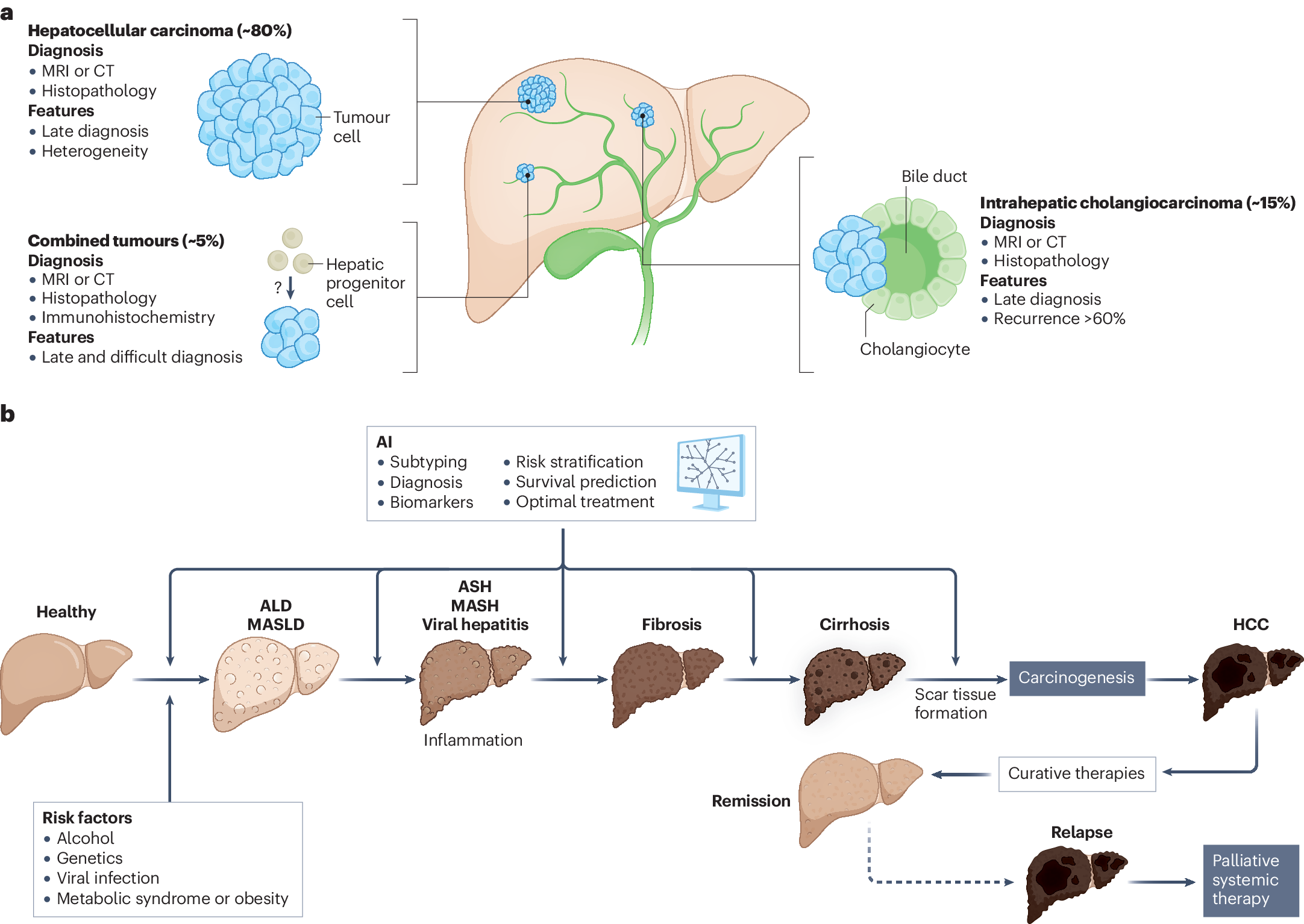
లివర్ CT స్కాన్ల కోసం ఏఐ రీడర్ retrospective పరీక్షల నుంచి సాధారణ ప్రాక్టీస్కి చేరుకుంది
Nature Medicine లో 2026 ఆగస్టు 19న ప్రచురితమైన ఒక పెద్ద అధ్యయనం, కాంట్రాస్ట్-ఎన్హాన్స్డ్ కంప్యూటెడ్ టొమోగ్రఫీ, లేదా CE-CT, ద్వారా లివర్ మాలిగ్నెన్సీ నిర్ధారణకు సహాయం చేయడానికి రూపొందించిన artificial intelligence వ్యవస్థను వివరిస్తుంది. Liver DiagnOsis Network, లేదా LiON, అనే ఈ వ్యవస్థ clinical imaging పనిలోని వాస్తవానికి సరిపోయేలా తయారైంది: స్కాన్లు భారీగా వస్తాయి, phases మారవచ్చు, patient context ముఖ్యం, మరియు ఆలస్యం అయిన లేదా మిస్ అయిన findings తీవ్రమైన పరిణామాలకు దారి తీస్తాయి.
పేపర్ ఈ సమస్యను నేరుగా చూపిస్తుంది. లివర్ మాలిగ్నెన్సీలు సాధారణంగా CE-CT తో అంచనా వేయబడతాయి, కానీ real-world radiology workflows లో lesions మిస్ కావడం లేదా diagnoses ఆలస్యమవడం ఇంకా జరుగుతుంటుంది. LiON ను scalable “diagnostic safety net” గా రూపొందించారు, ఇది flexible multiphase imaging ను ప్రాసెస్ చేయగలదు, clinical data ను కలుపగలదు, మరియు ఇప్పటికే ఉన్న workflows లోనే పని చేయగలదు; వాటిని భర్తీ చేయడానికి కాదు.
ఈ ప్రాయోగిక దృష్టికోణం ముఖ్యమైనది. అనేక medical AI ప్రాజెక్టులు retrospective metrics లో బలంగా కనిపిస్తాయి, కానీ రోజువారీ care లో ప్రవేశపెట్టినప్పుడు విలువ చూపించడంలో ఇబ్బంది పడతాయి. ఈ అధ్యయనం ప్రత్యేకంగా నిలుస్తుంది, ఎందుకంటే ఇది పెద్ద స్థాయి development మరియు validation తో పాటు routine clinical practice లో ఒక single-arm trial ను కలిపి, radiologists సాధారణ patients పై సాధారణ పని చేస్తూ ఉన్నప్పుడు software ఎలా పనిచేస్తుందో మరింత స్పష్టమైన చిత్రాన్ని ఇస్తుంది.
పెద్ద datasets మరియు బలమైన diagnostic performance
abstract ప్రకారం, LiON ను 6,443 patients డేటాతో train చేసి, multicenter మరియు real-world cohorts నుండి తీసుకున్న 22,251 patients పై retrospective గా validate చేశారు. ఆ evaluations లో model, malignancy diagnosis కోసం receiver operating characteristic curve కింద area, లేదా AUC, 0.975 సాధించింది; 95% confidence interval 0.971 నుంచి 0.979 వరకు ఉంది.
క్లినికల్గా ముఖ్యమైన subgroups లో కూడా model బలమైన performance ను కొనసాగించింది అని study పేర్కొంటుంది. hepatic steatosis ఉన్న patients లో LiON 0.971 AUC ను అందుకుంది. cirrhosis ఉన్న patients లో, imaging interpretation ప్రత్యేకంగా challenging మరియు high-risk గా ఉండే population లో, AUC 0.924 గా ఉంది. ఇవి model ఒక narrow idealized patient set పై మాత్రమే ఆధారపడలేదని, liver imaging ను తరచుగా క్లిష్టం చేసే పరిస్థితుల్లో కూడా ఉపయోగకరంగా ఉన్నదని సూచిస్తున్నాయి.
అదే కారణంగా ఈ paper ఎక్కువ దృష్టిని ఆకర్షించే అవకాశం ఉంది. liver oncology మరియు hepatology లో, clean datasets లో మాత్రమే బాగా పనిచేసే model కు clinical value పరిమితమే. heterogeneous cohorts మరియు comorbid liver disease లో కూడా ఉపయోగకరంగా ఉండే model, ఆరోగ్య వ్యవస్థ వాస్తవంగా అమలు చేయగల దానికి మరింత దగ్గరగా ఉంటుంది.
ముఖ్య పరీక్ష retrospective benchmarking కాదు, routine use
పేపర్లోని బలమైన సంకేతం prospective-style deployment study నుంచి వస్తుంది. పరిశోధకులు routine clinical practice లో 10,333 patients తో ఒక single-arm trial నిర్వహించారు, అందులో LiON existing workflow లో అదనపు ఏఐ రీడర్ గా పనిచేసింది. ఏఐ ఒంటరిగా మనుషుల కంటే మెరుగ్గా పనిచేస్తుందా అనే ప్రశ్న కాకుండా, radiologists సాధారణంగా పని చేస్తూనే ఈ system విలువ చేకూర్చగలదా అనే ప్రశ్న ఈ డిజైన్లో ఉంది.
ట్రయల్ తన primary endpoint ను చేరుకుంది. ఆ endpoint కోసం malignancy diagnosis AUC యొక్క 95% confidence interval దిగువ సరిహద్దు 0.900 కంటే ఎక్కువగా ఉండాలి. LiON 0.952 AUC ను సాధించింది, 95% confidence interval 0.942 నుండి 0.961 వరకు ఉంది.
ఈ సంఖ్యలు ముఖ్యమైనవి, ఎందుకంటే model కేవలం curated retrospective review లోనే కాదు, operational conditions లో కూడా నిలబడిందని చూపిస్తున్నాయి. మరో మాటలో చెప్పాలంటే, సాధారణ hospital imaging యొక్క messy environment లోకి చేర్చిన తర్వాత కూడా system అధిక diagnostic discrimination ను కొనసాగించినట్లు కనిపిస్తోంది.
ఏఐ care ను ఎలా మార్చింది
secondary outcomes నివేదికలో బహుశా అత్యంత ముఖ్యమైన భాగం, ముఖ్యంగా clinicians మరియు hospital leaders కోసం. study ప్రకారం AI-human collaboration 51 previously overlooked lesions ను గుర్తించింది, అందులో 15 malignancies ఉన్నాయి. ఇది 37 amended radiology reports మరియు 22 multidisciplinary team escalations ను కూడా trigger చేసింది.
ఇవి abstract performance metrics కావు. health systems నిజంగా పట్టించుకునే downstream effects ఇవి: లేకపోతే మిస్ అయ్యే findings, AI review తర్వాత మారిన reports, మరియు broader clinical discussion కోసం పైకి పంపిన cases. ఇచ్చిన వచనంలో పూర్తి outcome data లేకపోయినా, ఈ workflow consequences model కేవలం scoring engine కాదు, ఒక backstop గా పని చేసిందని సూచిస్తున్నాయి.
medical AI adoption ప్రస్తుత దశలో ఈ తేడా కేంద్రం. అత్యంత ఆశాజనక systems ను ఇప్పుడు increasingly autonomous diagnosticians గా కాక, second readers గా ప్రదర్శిస్తున్నారు; అవి oversights ను పట్టుకోవచ్చు, review ను standardize చేయవచ్చు, మరియు బిజీ టీమ్లు సూక్ష్మమైన కానీ ముఖ్యమైన findings ను మిస్ అయ్యే ప్రమాదాన్ని తగ్గించవచ్చు.

ఈ study లివర్ imaging కంటే ఎందుకు ఎక్కువగా ముఖ్యమవుతుంది
LiON రూపకల్పన clinical AI development లో broader shift ను కూడా ప్రతిబింబిస్తుంది. paper flexible multiphase processing, clinical data integration, మరియు workflow compatibility ను ప్రాముఖ్యంగా చూపిస్తోంది. ఇవి కలిపి imaging AI లోని మూడు recurring failure points ను ఎదుర్కొంటాయి: rigid scan protocols మీద ఆధారపడటం, చుట్టూ ఉన్న patient context ను బలహీనంగా ఉపయోగించడం, మరియు radiologist workflow కు చెడు సరిపోలిక.
ఈ claims abstracts దాటి కూడా నిలిచితే, LiON imaging AI systems ఎలా evaluate చేయబడతాయో దానికి ఒక reference point గా మారవచ్చు. ఈ field ఇప్పుడు single retrospective benchmark మీద ఆధారపడటంకన్నా multicenter validation, real-world cohorts, మరియు live clinical deployment నుండి evidence కోరే దిశగా మారుతోంది. ఈ study ఆ మూడు boxes ను పెద్ద స్థాయిలో టిక్ చేస్తోంది.
ఇది hospitals పై ఉన్న సిబ్బంది మరియు infrastructure తో ఎక్కువ చేయాల్సిన ఒత్తిడి ఉన్న సమయంలో వచ్చిందీ. varying imaging inputs పై పని చేయగల, మరియు review లో రెండో పొరను జోడించగల AI system, radiology operations ను మూలంగా మార్చకుండా quality మెరుగుపరచాలని ప్రయత్నిస్తున్న centers కు ఆకర్షణీయంగా ఉండవచ్చు.
జాగ్రత్త మాత్రం అవసరం
దరఖాస్తు చేసిన source text generalizability, implementation cost, లేదా long-term patient outcomes పై ప్రభావాన్ని అంచనా వేయడానికి కావలసిన అన్ని వివరాలను ఇవ్వడం లేదు. ఉదాహరణకు, false positives workflow burden ను ఎలా ప్రభావితం చేశాయో, performance institutions మధ్య ఎలా మారిందో, లేదా early detection measurable treatment benefits కు దారితీసిందో లేదో ఇక్కడ లేదు. ఆ ప్రశ్నలే ఒక strong study broad clinical adoption గా మారుతుందా అన్నదాన్ని నిర్ణయిస్తాయి.
అయినా, abstract లో సమరిచిన evidence medical AI paper కి అసాధారణంగా substantial గా ఉంది: వేల training cases, 22,000 కంటే ఎక్కువ retrospective validation cases, మరియు routine-practice trial లో 10,000 కంటే ఎక్కువ patients. అంతకన్నా ముఖ్యంగా, reported benefits ఒక headline AUC తో మాత్రమే పరిమితం కాలేదు. system reports ను మార్చింది, overlooked lesions ను వెలికి తీసింది, మరియు cases ను multidisciplinary review కి escalated చేసింది.
క్లినిక్లో ఎక్కువగా వాగ్దానాలు చేసి తక్కువగా అందిస్తుందని విమర్శలు ఎదుర్కొనే field కి, scale, workflow integration, మరియు real-world signal కలయిక గుర్తించదగినది. LiON diagnostic imaging లో ఏఐ గురించి ఉన్న ప్రతి ప్రశ్నను పరిష్కరించకపోవచ్చు, కానీ ఇది accuracy కోసం మాత్రమే కాదు, practical clinical usefulness కోసం కూడా image model ను పరీక్షించిన స్పష్టమైన తాజా ఉదాహరణలలో ఒకటి.
ఈ వ్యాసం Nature Medicine నివేదిక ఆధారంగా ఉంది. మూల వ్యాసాన్ని చదవండి.

Originally published on nature.com

