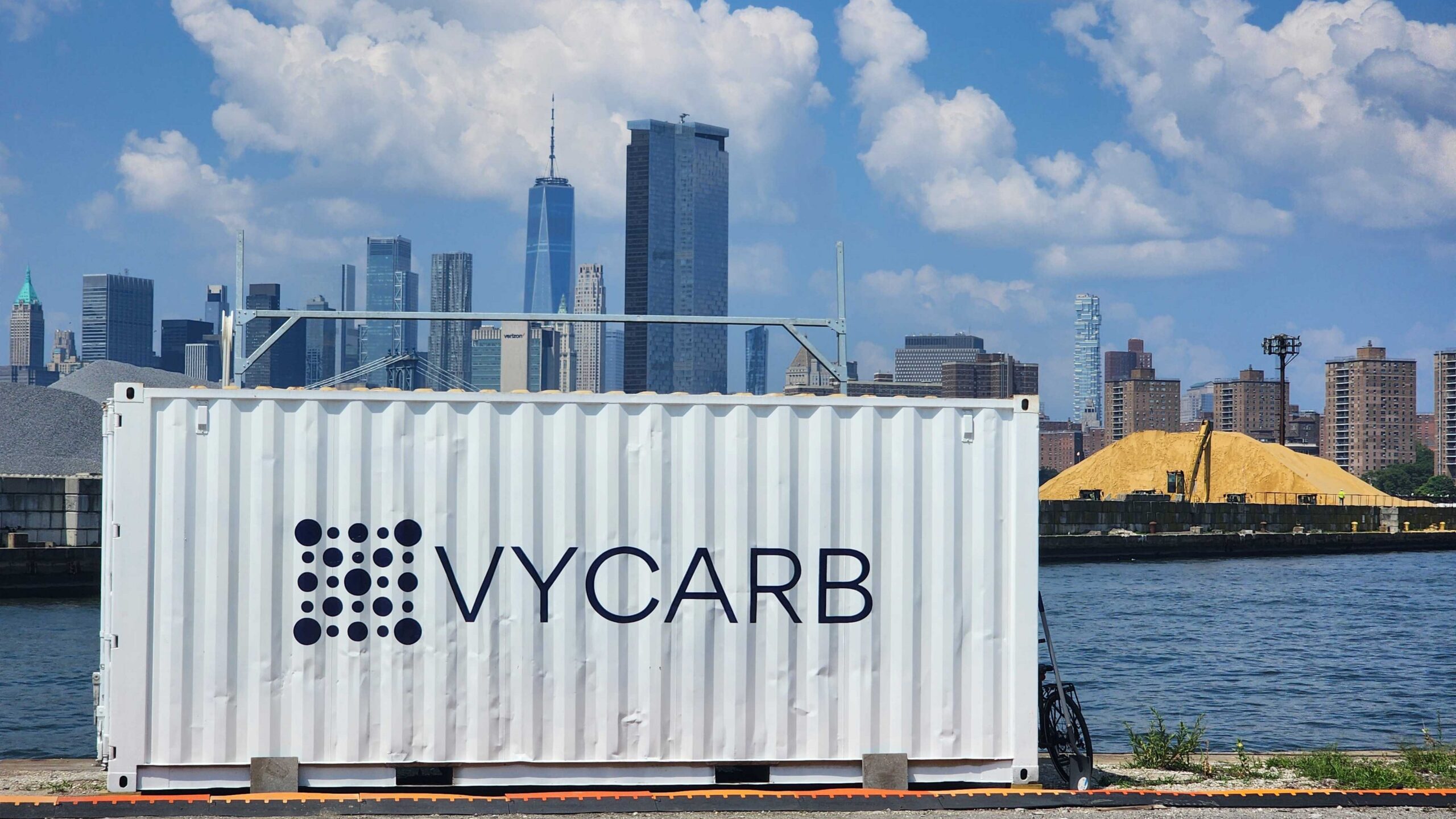
కార్బన్ క్యాప్చర్లో అత్యంత కఠినమైన ఖర్చు సమస్యలలో ఒకదాన్ని Vycarb లక్ష్యంగా పెట్టుకుంది
కార్బన్ క్యాప్చర్ ప్రాజెక్టులు కార్బన్ డైఆక్సైడ్ నిల్వ స్థలానికి చేరకముందే తరచుగా ఒకే ఆర్థిక గోడను ఢీకొంటాయి: ఆ వాయువును సాధారణంగా శుద్ధి చేయాలి, సాంద్రీకరించాలి, కుదించాలి, తరలించాలి, ఆ తర్వాతే దాన్ని శాశ్వతంగా మూసేయవచ్చు. ఈ సిద్ధత దశ ఒక ప్రాజెక్ట్ ఖర్చు మరియు సంక్లిష్టతలో పెద్ద భాగాన్ని ఆక్రమించగలదు, ముఖ్యంగా తక్కువ CO2 సాంద్రత కలిగిన పారిశ్రామిక ఉద్గార ప్రవాహాల విషయంలో. బ్రూక్లిన్ కేంద్రంగా ఉన్న స్టార్టప్ Vycarb తాజా పైలట్ ఫలితాలు మరో మార్గం ఉండొచ్చని సూచిస్తున్నాయని అంటోంది.
కంపెనీ తన Brooklyn Navy Yard స్థలంలో వివరించిన ఫలితాల ప్రకారం, Vycarb తక్కువ-శుద్ధి CO2ను సముద్రజలంలో విజయవంతంగా నిల్వ చేసింది; అందులో ఎక్కువ భాగాన్ని కరిగిన బైకార్బొనేట్గా మార్చింది, ఇది సముద్ర రసాయనంలో ఇప్పటికే సాధారణంగా కనిపించే స్థిర రసాయన రూపం. 50% CO2 ఉన్న వాయు ప్రవాహంలో 99% ను నీటిలో సమ్మిళితం చేసినట్లు, ఆ CO2లో 85% ను ద్రావణీయ బైకార్బొనేట్గా మార్చినట్లు కంపెనీ చెబుతోంది. ఈ సంఖ్యలు విస్తృత ధృవీకరణలో నిలుస్తే, అనేక సంప్రదాయ వ్యవస్థల్లో ఉపయోగించే ఖరీదైన శుద్ధి దశను తప్పించుకునే మార్గాన్ని సూచించడంతో, కార్బన్ క్యాప్చర్ మరియు నిల్వలో ఇది ఒక అర్థవంతమైన పురోగతిగా మారుతుంది.
తక్కువ-శుద్ధి CO2 ఎందుకు ముఖ్యం
సాంప్రదాయ కార్బన్ క్యాప్చర్ మరియు నిల్వకు ప్రాథమిక లాజిస్టిక్స్ సమస్య ఉంటుంది. అనుకూల భౌగోళిక నిల్వ స్థలాలు ఉద్గార వనరులకు ఎప్పుడూ దగ్గరగా ఉండవు, ఇంకా CO2ను రవాణా మరియు ఇంజెక్షన్కు సిద్ధం చేయడానికి సాధారణంగా తగినంత శుద్ధి గల వాయువు అవసరం. ఇది ప్రత్యేకంగా అనేక పారిశ్రామిక ఉద్గారకులకు సవాలుగా ఉంటుంది, ఎందుకంటే వారి ఉద్గార ప్రవాహాలు పలుచగా ఉండి ఇతర వాయువులతో కలిసివుంటాయి. ఒక ప్రాజెక్ట్కు ఎంత ఎక్కువ కండిషనింగ్ అవసరమైతే, ఆర్థికంగా అది సాధ్యం కావడం అంత కష్టం.
Vycarb వాదన ఏమిటంటే, సముద్రాధారిత రసాయన శాస్త్రం ఈ సమీకరణాన్ని మార్చగలదని. భూగర్భ ఇంజెక్షన్ కోసం CO2ను శుద్ధి చేయడం బదులు, కంపెనీ దానిని నీటిలోని క్షార ఖనిజాలతో ప్రతిచర్య చేయించి కార్బన్ను కరిగిన బైకార్బొనేట్గా నిల్వ చేస్తుంది. ప్రాయోగికంగా, దీని అర్థం నిల్వను కేవలం కుదింపు-పైప్లైన్ సమస్యగా చూడకుండా, సముద్ర రసాయన శాస్త్రానికి అనుకూలమైన కార్బన్ రూపంతో పని చేయడం.
ప్రపంచంలోని పరిశ్రమలు మరియు జనాభాలో చాలా భాగం తీర ప్రాంతాల్లో కేంద్రీకృతమై ఉన్నందున ఇది ముఖ్యమని కంపెనీ వాదిస్తోంది. తీర ప్రాంత ఉద్గార వనరుల సమీపంలో పనిచేయగల, విరివిగా లభించే క్షార ముడిసరకులను ఉపయోగించగల, మరియు అధిక శక్తి అవసరమైన వాయు శుద్ధిని తప్పించగల నిల్వ వ్యవస్థ, వాణిజ్యపరంగా సరిపోయే ప్రాజెక్టుల పరిధిని విస్తరించవచ్చు. అందించిన మూల వచనం ప్రకారం Vycarb ప్రక్రియ చౌకైన, విస్తృతంగా లభించే క్షార ఖనిజాలను మరియు తక్కువ శక్తి వినియోగాన్ని ఉపయోగిస్తుంది, అయితే భారీ స్థాయి ఆపరేటింగ్ డేటా ఇంకా వివరించలేదు.
పైలట్ ఫలితాలు ఏమి చూపిస్తున్నాయి
నివేదించిన మైలురాయిలో అత్యంత ముఖ్యమైన దావా CO2ను నీటిలో శోషించవచ్చన్నది మాత్రమే కాదు. అనేక కార్బన్ క్యాప్చర్ ఏర్పాట్లు కోరుకునే దానికంటే చాలా తక్కువ శుద్ధి గల వాయు ప్రవాహాలపైనా వ్యవస్థ పనిచేస్తున్నట్లు కనిపిస్తోంది అన్నదే. Vycarb, 50% శుద్ధి వద్ద CO2లో 99% ను నీటిలో సమ్మిళితం చేయగలిగిందని, ఆ CO2లో 85% ను బైకార్బొనేట్గా మార్చిందని, అలాగే విడుదల సమయంలో నిల్వను నిర్ధారించగలిగేంత స్థిరంగా నీటి రసాయనాన్ని ఉంచిందని చెబుతోంది.
అందించిన వచనం ప్రకారం, ఈ సంఖ్యలు కంపెనీ ప్రారంభ లక్ష్యాలను మించాయి. తదుపరి ఫీల్డ్-ట్రయల్ లక్ష్యం 10% CO2 శుద్ధి ఉన్న ప్రవాహంతో అదే 99% సమ్మిళిత రేటును ధృవీకరించడం. Vycarb ప్రకారం ప్రయోగశాల పరీక్షలు ఇప్పటికే 1.5% శుద్ధి వరకు చేరాయి. ఇది ముఖ్యమైనది, ఎందుకంటే జీవాష్మ ఇంధన దహనం నుంచి వచ్చే ఉద్గారాలు తక్కువ సాంద్రత శ్రేణిలో ఉండవచ్చు; అక్కడ శుద్ధీకరణ ప్రత్యేకంగా భారంగా మారుతుంది. ఒక వ్యవస్థ మరింత మురికిగా ఉన్న ఇన్పుట్లను నేరుగా స్వీకరించగలిగితే, అది కార్బన్ క్యాప్చర్ సాధ్యమయ్యే పరిధిని మార్చవచ్చు.
అయితే, ఇది ఇంకా విస్తృత వాణిజ్య సిద్ధతకు రుజువు కాదు. కంపెనీ ఇంకా స్వతంత్ర ధృవీకరణపై పని చేస్తోంది, ఇది ఒక ముఖ్యమైన హెచ్చరిక. నియంత్రిత లేదా అర్ధ-నియంత్రిత పరిస్థితుల్లో పైలట్ పనితీరు ఉండటం పూర్తిగా ఫైనాన్స్ చేయగల పారిశ్రామిక అమలు అనేది కాదు. అయినప్పటికీ, ఈ మైలురాయి గమనించదగినదే, ఎందుకంటే ఇది డెవలపర్లు మరియు భారీ ఉద్గారకులు తరచుగా విస్తృత దత్తతకు అడ్డంకిగా గుర్తించే సాంకేతిక బాటిల్నెక్ను తాకుతోంది.
రసాయన విధానం ఎందుకు దృష్టిని ఆకర్షిస్తోంది
సేకరించిన కార్బన్ను బైకార్బొనేట్గా మార్చడం నిల్వను కేవలం సెక్వెస్ట్రేషన్ లాజిస్టిక్స్ సమస్యగా కాకుండా ఒక రసాయన స్థిరీకరణ ప్రక్రియగా పునర్నిర్వచిస్తుంది. సముద్రాల్లో ఇప్పటికే విస్తారంగా కరిగిన అనార్గానిక్ కార్బన్ ఉంటుంది, మరియు బైకార్బొనేట్ దాని ప్రధాన స్థిర రూపాలలో ఒకటి. Vycarb యొక్క విధానం ఈ ప్రాథమిక రసాయనాన్ని నిల్వ యంత్రాంగంగా ఉపయోగిస్తుంది, దీనికి రియల్-టైమ్ సెన్సార్ టెక్నాలజీని జోడించి ప్రక్రియను పర్యవేక్షిస్తుంది.
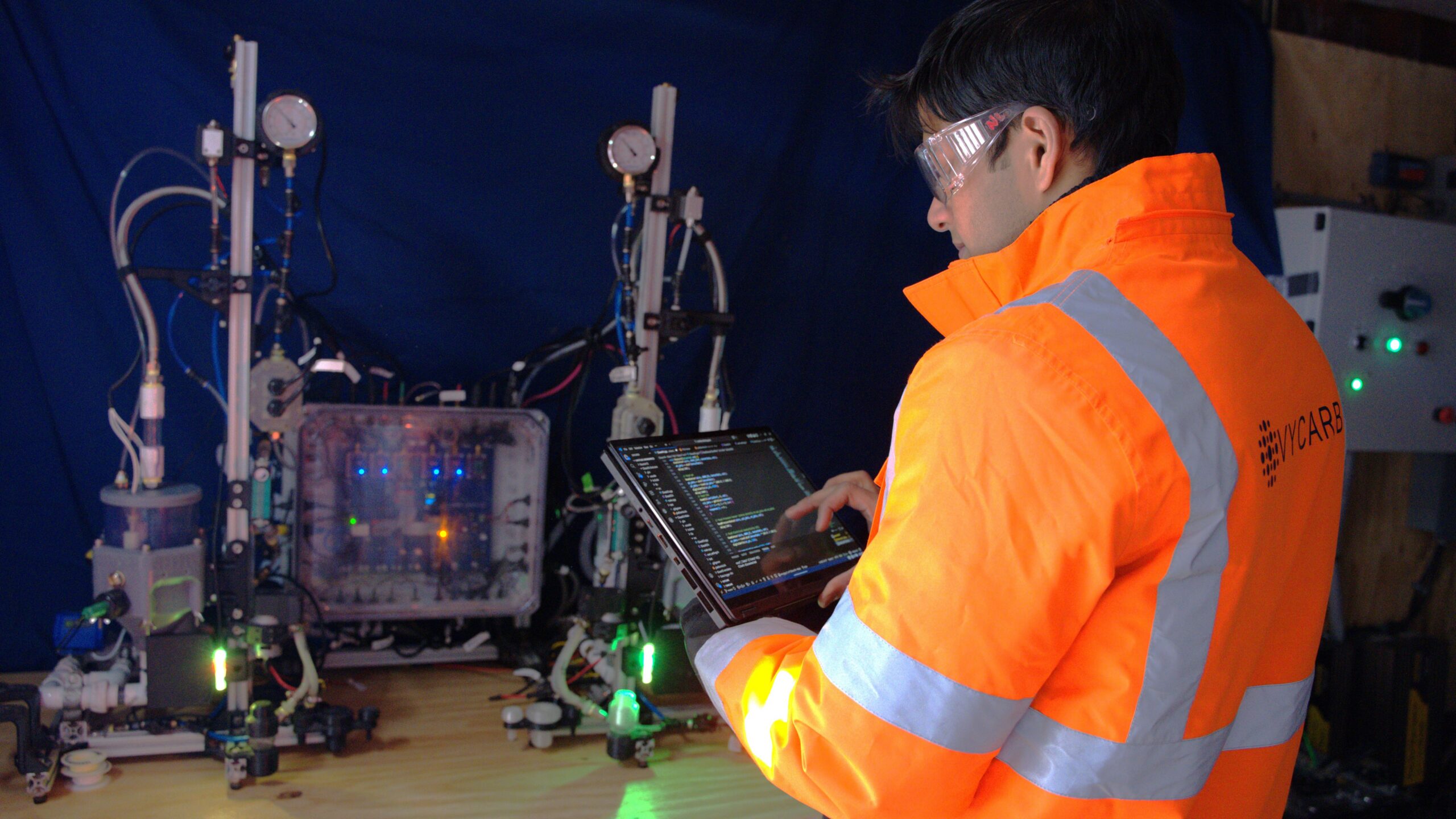
దీనిపై ఆకర్షణ కేవలం రసాయన శాస్త్రంలోనే కాదు, కంపెనీ వాగ్దానం చేస్తున్న సిస్టమ్-స్థాయి సరళీకరణలో కూడా ఉంది. ఉద్గారకులు ఖరీదైన శుద్ధీకరణను దాటవేయగలిగితే, అధిక-శుద్ధి CO2ను దూరంలోని భౌగోళిక నిర్మాణాలకు కుదించి పంపేందుకు అవసరమైన కొంత మౌలిక వసతినీ తప్పించుకోగలరు. తీరాలకు సమీపంలో ఉన్న రంగాలకు, ఇది అనేక CCS ప్రణాళికల్లో ఆధిపత్యం చెలాయించే లోన ప్రాంత పైప్లైన్-మరియు-ఇంజెక్షన్ వ్యవస్థలకంటే భిన్నమైన అమలు నమూనాను అందించవచ్చు.
అయితే, అందించిన వచనానికి బయట మరికొన్ని ప్రశ్నలు ఉన్నాయి. దీర్ఘకాలిక పర్యవేక్షణ అవసరాలు, నియంత్రణ విధానం, సముద్ర విడుదల నిబంధనలు, మరియు పూర్తి ప్రాజెక్ట్ ఆర్థికాలు ఈ విధానం ఆశాజనక పైలట్లను మించి విస్తరించగలదా అనే దాన్ని నిర్ణయిస్తాయి. అందుకే ఈ మైలురాయి ఒక స్థిరమైన పరిష్కారంలా కాకుండా, తక్కువ-ఖర్చు మార్గాలను ఇంకా వెతుకుతున్న రంగంలో ఒక ముఖ్యమైన సాక్ష్య బిందువులా కనిపిస్తోంది.
విస్తృత CCS మార్కెట్కు సంకేతం
Vycarb ఫలితాల విస్తృత ప్రాముఖ్యత ఏమిటంటే, కార్బన్ క్యాప్చర్ ఇప్పుడు మూల క్యాప్చర్ సమర్థత जितంతే ప్రక్రియ సౌలభ్యంపై కూడా ఆధారపడే దశలోకి ప్రవేశిస్తోంది. అసంపూర్ణ, మారే లేదా తక్కువ-శుద్ధి గల వాయు ప్రవాహాలతో పని చేయగల సాంకేతికతలు ఇప్పటివరకు అందుబాటులోకి రాని పారిశ్రామిక ఉద్గార మార్కెట్ భాగాలను తెరవగలవు.
కార్బన్ నిర్వహణకు ఇది అర్థవంతమైన మార్పు. అనేక వాతావరణ వ్యూహాలు, పెద్ద స్థాయిలో కార్బన్ క్యాప్చర్ చివరికి విద్యుదీకరణ చేయడం కష్టం లేదా ఇతర విధంగా డీకార్బనైజ్ చేయడం కష్టమైన రంగాలకు అందుబాటులో ఉంటుందని ఊహిస్తాయి. కానీ ఆ భవిష్యత్తు capex మరియు ఆపరేటింగ్ భారం రెండింటినీ తగ్గించడంపై ఆధారపడి ఉంటుంది. శుద్ధీకరణను కీలక మార్గం నుంచి తొలగించే వ్యవస్థ, ఆ గొలుసులో అత్యంత ఖరీదైన దశలలో ఒకదాన్ని నేరుగా లక్ష్యంగా చేస్తుంది.
Vycarb ఇప్పటివరకు ఈ మోడల్ పూర్తి వాణిజ్య స్థాయిలో పనిచేస్తుందని నిరూపించలేదు, మరియు ప్రస్తుతం జరుగుతున్న స్వతంత్ర ధృవీకరణ ప్రయత్నం కంపెనీ స్వంత నివేదించిన మైలురాయంతే ముఖ్యమవుతుంది. అయినప్పటికీ, అందించిన వచనంలో వివరించిన పైలట్ డేటా, స్టార్టప్ కీలకమైన దానిని ప్రదర్శించినట్లు సూచిస్తోంది: పారిశ్రామిక ఉద్గారాల మురికిగా, తక్కువ-శుద్ధిగా ఉన్న వాస్తవాన్ని నేటి అనేక సంప్రదాయ CCS పనిప్రవాహాల కంటే మెరుగ్గా తట్టుకోగల కార్బన్ నిల్వ రసాయనం.
- Vycarb 50% శుద్ధి గల CO2 ప్రవాహంలో 99% ను నీటిలో సమ్మిళితం చేసినట్లు చెబుతోంది.
- ఆ CO2లో 85% కరిగిన బైకార్బొనేట్గా మారిందని కంపెనీ తెలిపింది.
- దాని తదుపరి ఫీల్డ్-ట్రయల్ లక్ష్యం 10% CO2 శుద్ధి వద్ద 99% సమ్మిళితాన్ని ధృవీకరించడం.
- ఇచ్చిన మూల వచనం ప్రకారం, ప్రయోగశాల పరీక్షలు ఇప్పటికే 1.5% CO2 గల వాయు ప్రవాహాలకు చేరుకున్నాయి.
ఈ వ్యాసం CleanTechnica చేసిన నివేదిక ఆధారంగా ఉంది. అసలు వ్యాసాన్ని చదవండి.
Originally published on cleantechnica.com




