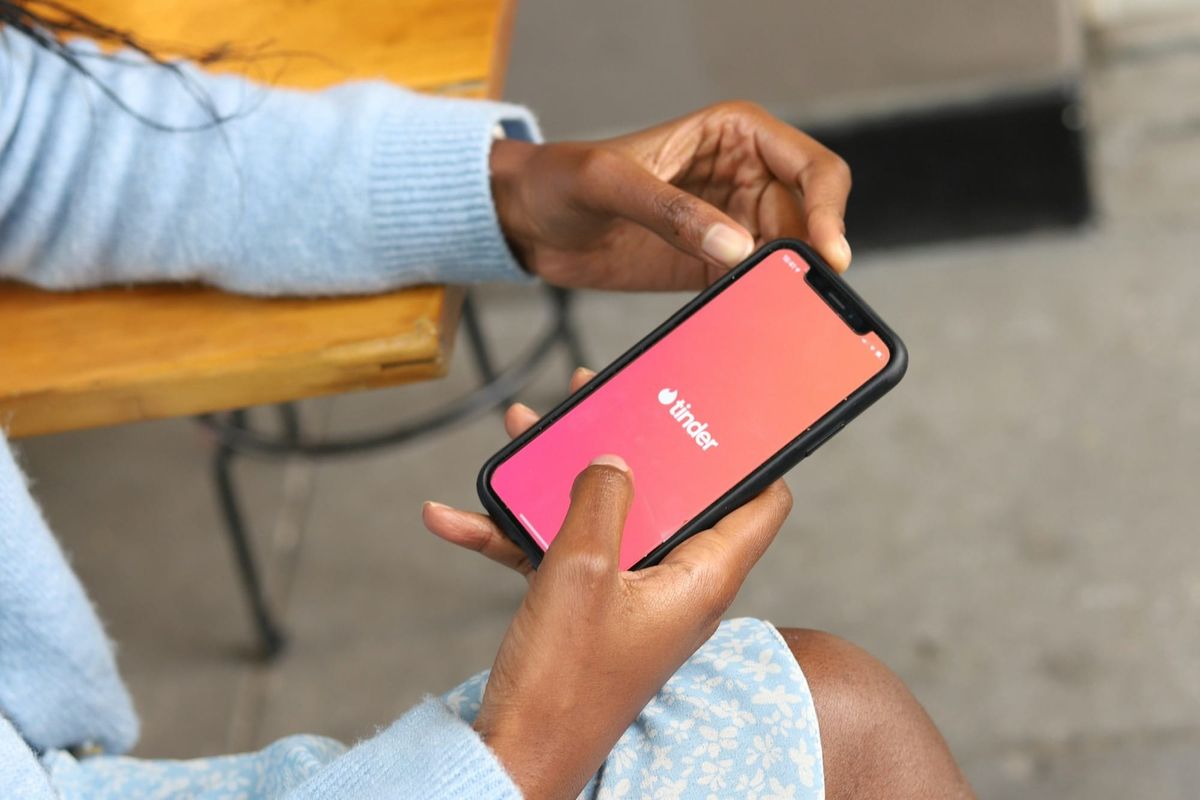
Tinder యొక్క కొత్త AI ఫీచర్ మీ ఫోటో లైబ్రరీని పరిశీలిస్తుంది
Tinder ఒక ఫీచర్ను ప్రవేశపెడుతోంది, ఇది కృత్రిమ మేధస్సును ఉపయోగించి వినియోగదారుల కెమెరా రోల్ను — అంటే వారి ఫోన్లోని పూర్తిస్థాయి స్థానిక ఫోటో లైబ్రరీని — స్కాన్ చేసి, డేటింగ్ ప్రొఫైల్లను రూపొందించడంలో సహాయపడుతుంది. చేతితో ఫోటోలను ఎంచుకుని, ఆసక్తి ఫీల్డులను పూరించడానికి బదులుగా, వినియోగదారులు Tinder యొక్క AI తమ చిత్రాలను విశ్లేషించి, వారు ఎలా ఉంటారు, ఏమి ఇష్టపడతారు, మరియు సంభావ్య మ్యాచ్లకు తమను ఎలా చూపించాలనుకుంటున్నారు అనే విషయాలను అంచనా వేయడానికి అనుమతించవచ్చు.
ఈ ఫీచర్ ఈ వసంతం తరువాత అమెరికాలో ప్రారంభం కానుంది. దీనిలో వినియోగదారులు తమ స్థానికంగా నిల్వ చేసిన ఫోటోలపై Tinderకు యాక్సెస్ ఇవ్వడానికి అనుమతి కోరబడుతుంది. ఆ తర్వాత AI ఆ చిత్రాల కంటెంట్ను విశ్లేషిస్తుంది — అందులో జిమ్ సెల్ఫీలు, ప్రయాణ ఫోటోలు, సామాజిక సమావేశాలు, మరియు లైబ్రరీలో ఉన్న మిగతావన్నీ కూడా ఉన్నాయి — తద్వారా ప్రొఫైల్ ఫోటోలను సూచించడానికి మరియు ఆసక్తి, విలువల సంకేతాలను రూపొందించడానికి, ఇవి యాప్ వినియోగదారులను సంభావ్య భాగస్వాములతో జోడించడంలో సహాయపడతాయి.
గోప్యత సమీకరణ
గోప్యత పరంగా ప్రభావాలు గణనీయమైనవి మరియు ఈ తరహా వినియోగదారుల అనువర్తనాల్లో చాలావరకు అపూర్వమైనవి. కెమెరా రోల్ ఏ పరికరంలోనైనా ఉన్న వ్యక్తిగత సమాచారానికి అత్యంత సన్నిహిత భాండాగారాల్లో ఒకటి. ఇందులో కేవలం ఎంపిక చేసిన సామాజిక ఫోటోలు మాత్రమే కాకుండా, ఒక వ్యక్తి జీవితానికి సంబంధించిన మొత్తం ఫిల్టర్ చేయని రికార్డు ఉంటుంది: మైనర్లతో సహా కుటుంబ సభ్యులు, సూచన కోసం తీసిన సున్నితమైన పత్రాలు, ఆరోగ్య సంబంధిత చిత్రాలు, చిత్రం ఫైళ్లలో నిల్వ ఉన్న స్థానం-సంబంధిత మెటాడేటా, మరియు వినియోగదారులు తెలిసి ఎప్పుడూ మూడవ పక్షంతో పంచుకోని విషయాలు.
Tinder ఈ ఫీచర్ను సౌకర్యంగా చూపిస్తోంది. కానీ ఆ సౌకర్యాన్ని అందించడానికి అవసరమైన విధానం, ఒక సంస్థ యొక్క AI వ్యవస్థకు అత్యంత వ్యక్తిగత దృశ్య డేటాపై విస్తృత ప్రాప్తిని ఇవ్వడమే; ఇందులో డేటా నిల్వ విధానాలు అనిశ్చితంగా ఉన్నాయి, అలాగే తదుపరి ఉపయోగాలు కూడా స్పష్టంగా లేవు.
ప్రాథమిక విశ్లేషణ దశలో ఫోటో స్కానింగ్ పరికరంలోనే జరుగుతుందని Tinder తెలిపింది. అయితే, ఏ డేటా ప్రసారం చేయబడుతుందో, ఎంతకాలం నిల్వ ఉంచుతారో, మరియు భవిష్యత్ మోడళ్లను శిక్షణ ఇవ్వడానికి దీన్ని ఎలా ఉపయోగించవచ్చో అనే వివరాలను ప్రారంభానికి ముందు పూర్తిగా వెల్లడించలేదు.

డేటింగ్ యాప్ ఎకోసిస్టమ్లో AI చొరబాటు
ఆన్లైన్ డేటింగ్పై AI ప్రభావం గురించి పెరుగుతున్న ఆందోళనల నేపథ్యంలో ఈ ఫీచర్ వచ్చింది. డేటింగ్ యాప్లు AI-సృష్టించిన ప్రొఫైల్లు, ఆటోమేటెడ్ సంభాషణ బాట్లు, మరియు AI-సహాయంతో పంపబడే సందేశాల పెరుగుదలతో పోరాడుతున్నాయి, దీనివల్ల పరస్పర చర్యల ప్రామాణికతపై వినియోగదారుల నమ్మకం తగ్గింది. ఈ నేపథ్యంలో, Tinder యొక్క కెమెరా రోల్ ఫీచర్ రెండు వైపుల కత్తిలాంటి జోక్యం: మరింత నిజమైన వినియోగదారు ప్రొఫైల్లను సృష్టించడానికి AIని ఉపయోగించడం, అదే సమయంలో మనిషి-నుంచి-మనిషికి సంబంధం అనిపించాల్సిన అనుభవంలో AI పాత్రను మరింత లోతుగా చేయడం.
ఎల్లప్పుడూ కొనసాగుతున్న డేటా సేకరణ వైపు విస్తృత ధోరణి
Tinder యొక్క కెమెరా రోల్ ఫీచర్, వ్యక్తిగతీకరణ మరియు సౌకర్యం పేరిట వ్యక్తిగత డేటాకు మరింత లోతైన ప్రాప్తిని కోరే యాప్ల విస్తృత పరిశ్రమ ధోరణిలో భాగం. ముఖ గుర్తింపు సామర్థ్యాలు, ఫోటోలలోని స్థానం-సంబంధిత మెటాడేటా, గ్రూప్ ఫోటోలలో కనిపించే సామాజిక గ్రాఫ్ సమాచారం, మరియు ఫోటో కంటెంట్ నుంచి పొందిన ప్రవర్తనా సంకేతాల కలయిక, సంప్రదాయ ప్రొఫైల్-నిర్మాణ ప్రక్రియలో వినియోగదారులు తెలిసి ఇస్తున్నదానికంటే ఎంతో విస్తృతమైన ప్రొఫైల్ను తయారు చేస్తుందని గోప్యత పరిశోధకులు చెబుతున్నారు.
ఈ నమూనా బాగా స్థిరపడింది: ఒక ఫీచర్ ప్రారంభమవుతుంది, పూర్తిగా ఐచ్ఛికమని మరియు వినియోగదారులకు లాభదాయకమని చెబుతారు; ప్రారంభ వినియోగదారులు సమృద్ధిగా ప్రవర్తనా డేటాను ఇస్తారు; AI వ్యవస్థలు మెరుగవుతాయి; విలువ ప్రతిపాదన బలపడుతుంది; మరియు ప్రధాన కార్యాచరణను త్యాగం చేయకుండా ఆ ఫీచర్ను ఆపివేయడం కష్టం అవుతుంది.
ఈ వ్యాసం 404 Media నివేదిక ఆధారంగా రూపొందించబడింది. మూల కథనాన్ని చదవండి.
Originally published on 404media.co