Artemis III இப்போது பூமி வட்டப்பாதையில் risk-reduction mission ஆக வடிவமைக்கப்படுகிறது
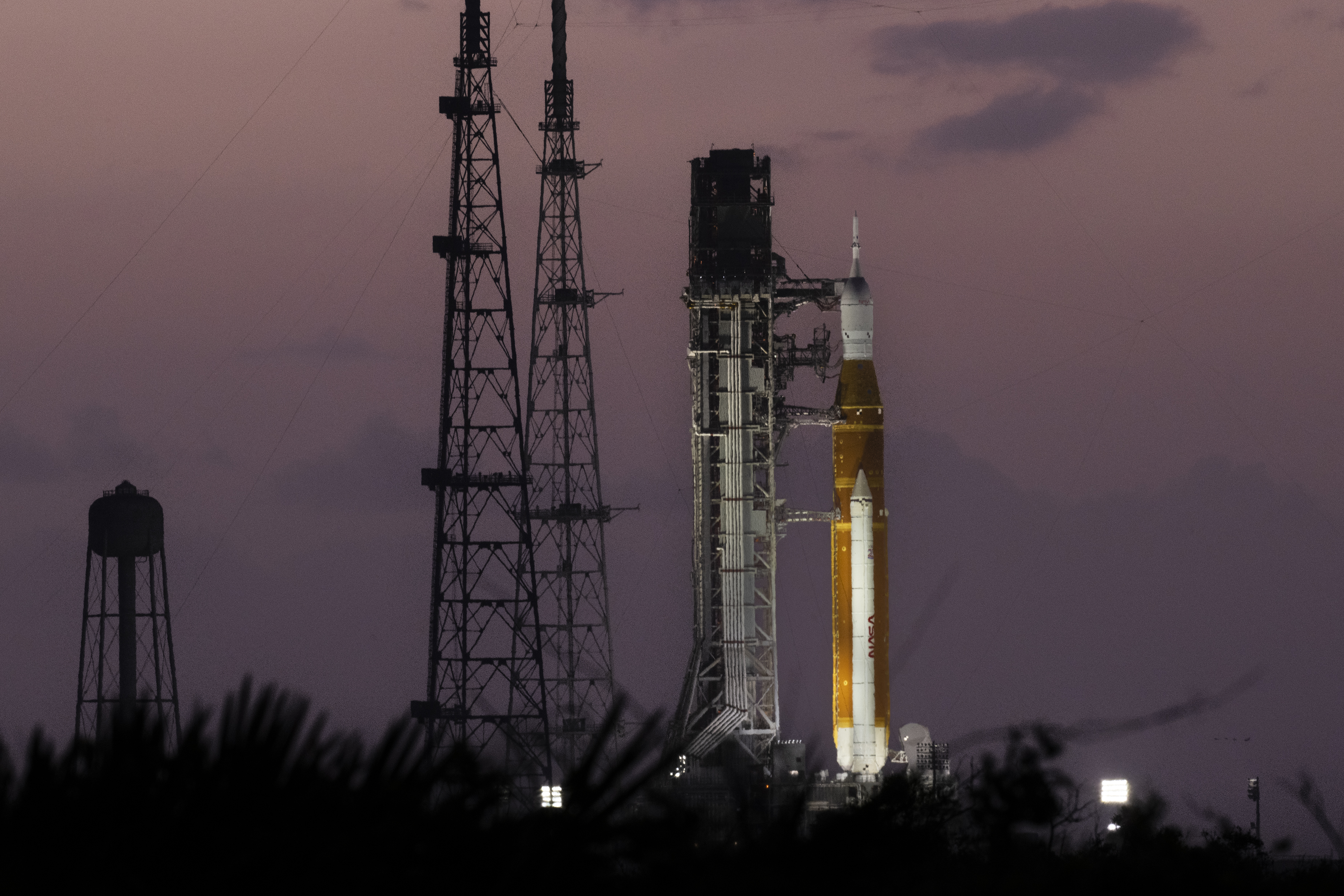
NASA Artemis III-க்கு ஆரம்பத் திட்டங்களை அறிவித்துள்ளது; இது Orion spacecraft மற்றும் Blue Origin, SpaceX ஆகியவற்றின் commercial landers இடையே rendezvous மற்றும் docking-ஐ சோதிக்க crewed Earth-orbit mission ஆக வடிவமைக்கப்படுகிறது. இது இனி நேரடியாக crewed lunar surface முயற்சிக்கான அடுத்த படியாக அல்ல; மாறாக, Artemis IV astronauts-ஐ Moon-இன் south polar region நோக்கி அனுப்புவதற்கு முன் risk-ஐ குறைக்கும் systems test ஆகக் கருதப்படுகிறது.
இந்த மாற்றம், எதிர்கால crewed landing missions-க்கு முன் ஒரு Artemis mission சேர்க்கப்பட்டதாக பிப்ரவரியில் வெளியான அறிவிப்பைத் தொடர்ந்து வந்தது. அதன் பின்னர், Artemis III அடுத்த lunar operations-க்கு தேவைப்படும் increasingly complex choreography-ஐ சிறப்பாக உறுதிப்படுத்த எப்படி முடியும் என்பதைத் தீர்மானிக்க NASA engineers mission-profile options மற்றும் operational considerations-ஐ மதிப்பீடு செய்து வருகின்றனர்.
Artemis III-இன் பங்கு NASA ஏன் மாற்றுகிறது
அமைப்பின் விளக்கம் தெளிவானது: astronauts-ஐ lunar surface-க்கு அனுப்புவதற்கு முன் பல vehicles, teams, மற்றும் partners எப்படி ஒன்றாக வேலை செய்கின்றன என்பதை Artemis III சோதிக்க வேண்டும். இதன் பொருள், mission destination-ஐ விட integration-ஐ அதிகம் குறித்து இருக்கிறது. earlier human spaceflight programs-இல் இந்த exact combination-இல் இல்லாத interactions-ன் ஒரு தொடரை NASA இதில் பயிற்சி பெற பயன்படுத்தும்.
NASA-வின் Exploration Systems Development Mission Directorate-இல் Moon to Mars acting assistant deputy administrator ஆன Jeremy Parsons, Artemis III-ஐ agency இதுவரை மேற்கொண்ட மிகச் சிக்கலான missions-இல் ஒன்றாக விவரித்தார். காரணம் Orion-இல் இருக்கும் astronauts எண்ணிக்கை மட்டும் அல்ல. பல spacecraft-களை உள்ளடக்கிய launch campaign-ஐ ஒருங்கிணைப்பதும், இரண்டு lander providers-இன் capabilities-ஐ Artemis operations-இல் இணைப்பதும் தான் உண்மையான சவால்.

இந்த mission என்னைச் சோதிக்கப் போகிறது
ஆரம்பத் திட்டத்தின் கீழ், Space Launch System Orion-ஐ நான்கு crew members-உடன் பூமி வட்டப்பாதைக்குள் அனுப்பும். அங்கு சென்ற பிறகு, mission Blue Origin மற்றும் SpaceX ஆகியவற்றின் commercial landers-உடன் Orion rendezvous மற்றும் docking demonstrations-இல் கவனம் செலுத்தும். இவை NASA-வின் broader lunar exploration architecture-க்கு மையமானவை, ஏனெனில் பின்னர் வரும் missions பல organizations-இன் hardware ஒருமித்தமாக செயல்படுவதையே சார்ந்திருக்கும்.
முக்கியமாக, Artemis III interfaces, procedures, மற்றும் crew operations-க்கான proving ground ஆகிறது. astronauts, flight controllers, மற்றும் commercial systems mission conditions-இல் ஒன்றாக எப்படி செயல்படுகின்றன என்பதை NASA கற்றுக்கொள்ள முயல்கிறது; அதே architecture-ஐ lunar landing attempt-க்கு பயன்படுத்துவதற்கு முன் இதை அறிய வேண்டும்.
ராக்கெட்டில் ஒரு குறிப்பிடத்தக்க hardware மாற்றம்
NASA முக்கியமான configuration detail ஒன்றையும் வெளியிட்டுள்ளது. rocket-இன் upper stage ஆக interim cryogenic propulsion stage-ஐப் பயன்படுத்துவதற்குப் பதிலாக, Artemis III spacer-ஐப் பயன்படுத்தும். அந்த spacer upper stage-இன் mass மற்றும் overall dimensions-ஐ பிரதிநிதிக்கிறது என்று agency கூறுகிறது, ஆனால் propulsion capability இல்லாமல்.
Orion stage adapter மற்றும் launch vehicle stage adapter இடையேயான overall dimensions மற்றும் interface connection points அதேபடி இருக்க வேண்டும் என்பதே spacer-இன் நோக்கம். வேறு வார்த்தைகளில், mission profile-க்கு இனி அதே propulsive role தேவையில்லாவிட்டாலும் structural மற்றும் integration environment பிரதிநிதித்துவமாகவே இருக்க வேண்டும் என NASA விரும்புகிறது. இது mission இப்போது deep-space destination performance-ஐ விட systems validation-க்கு அதிகமாக சாய்ந்துள்ளது என்பதைக் காட்டுகிறது.

உற்பத்தி ஏற்கனவே முன்னேறுகிறது
Huntsville, Alabama-இல் உள்ள Marshall Space Flight Center-இல் spacer-இன் design மற்றும் fabrication வேலை முன்னேறிக் கொண்டிருப்பதாக NASA கூறுகிறது. barrel section மற்றும் upper, lower rings ஆகியவற்றுக்கான material welding-க்கு முன் machine செய்யப்படுகிறது. புதிய mission concept வெறும் கோட்பாடாக இல்லை என்பதைக் காட்டுவதால் இந்த விவரம் முக்கியமானது. supporting hardware பாதை ஏற்கனவே செயல்பாட்டில் உள்ளது.
அதாவது, Artemis III-இன் operational purpose-ஐ மறுவரையறை செய்வதும், அந்த revised purpose-ஐ manufactured flight hardware-ஆக மாற்றுவதும் NASA ஒரே நேரத்தில் செய்கிறது. program shifts உண்மையில் அங்குதான் நிலைபெறுகின்றன.
பெரிய Artemis campaign-க்கு இதன் பொருள்
மிக முக்கியமான takeaway என்னவென்றால், NASA மேலும் incremental path-ஐ ஏற்று risk-ஐ குறைக்கிறது போலத் தெரிகிறது. இங்கு விவரிக்கப்பட்ட Artemis III lunar ambitions-இல் இருந்து பின்வாங்குவது அல்ல; பின்னர் வரும் landing architecture-ஐ மேலும் credible ஆக்க முயற்சியாகும். Orion, crew, ground systems, commercial landers ஆகியவற்றை முதலில் பூமி வட்டப்பாதையில் ஒன்றாக இயக்குவதன் மூலம், NASA பிரச்சனைகளை முன்பே, மேலும் குறைவான கடுமையான சூழலில் கண்டறிய முடியும் என்று நம்புகிறது.
இந்த stratgy modern exploration programs-இன் உண்மையை பிரதிபலிக்கிறது; அவை increasingly single vertically controlled stack-ஐ விட public-private integration-ஐ சார்ந்துள்ளன. Artemis IV அமெரிக்கர்களை மீண்டும் Moon surface நோக்கி கொண்டு சென்று agency-யின் நீண்டகால Moon Base இலக்குகளுக்கு ஆதரவாக இருக்கும் என்று எதிர்பார்க்கப்பட்டால், orbital rehearsal location-ஐ விட அதிக முக்கியத்துவம் வாய்ந்த mission ஆக மாறக்கூடும்.
அடுத்ததாக கவனிக்க வேண்டியது
- rendezvous மற்றும் docking demonstrations-க்கு NASA mission profile-ஐ எப்படி இறுதிப்படுத்துகிறது.
- Blue Origin மற்றும் SpaceX integration milestones, Orion மற்றும் SLS schedules-உடன் எவ்வளவு aligned-ஆக இருக்கின்றன.
- Artemis III-இல் கிடைக்கும் பாடங்கள் Artemis IV lunar operations-இன் இறுதி risk posture-ஐ எவ்வாறு வடிவமைக்கின்றன.
இப்போது NASA-வின் செய்தி தெளிவு: Moon-க்கு திரும்பும் பாதை முதலில் மிகுந்த engineering கொண்ட பூமி-வட்டப்பாதை சோதனை வழியாகவே செல்கிறது.
இந்தக் கட்டுரை NASA-வின் செய்தியறிக்கையை அடிப்படையாகக் கொண்டது. மூல கட்டுரையைப் படிக்கவும்.
Originally published on nasa.gov