மறுசுழற்சியை பணி உள்கட்டமைப்பாக NASA ஆதரிக்கிறது
மனித விண்வெளிப் பயணம் நீண்ட நிலா பணிகளுக்கும் ஆழ் விண்வெளி செயல்பாடுகளுக்கும் முன்னேறும்போது மேலும் முக்கியமடையும் ஒரு சிக்கலை முன்வைத்து, NASA தனது LunaRecycle Challenge-இன் இரண்டாம் கட்டத்தில் Massachusetts Institute of Technology அணிக்குப் முதல் பரிசை வழங்கியுள்ளது: குப்பையை எறிவது நடைமுறையில் சாத்தியமற்றதாகிவிடும் போது, அதைக் கொண்டு என்ன செய்வது?
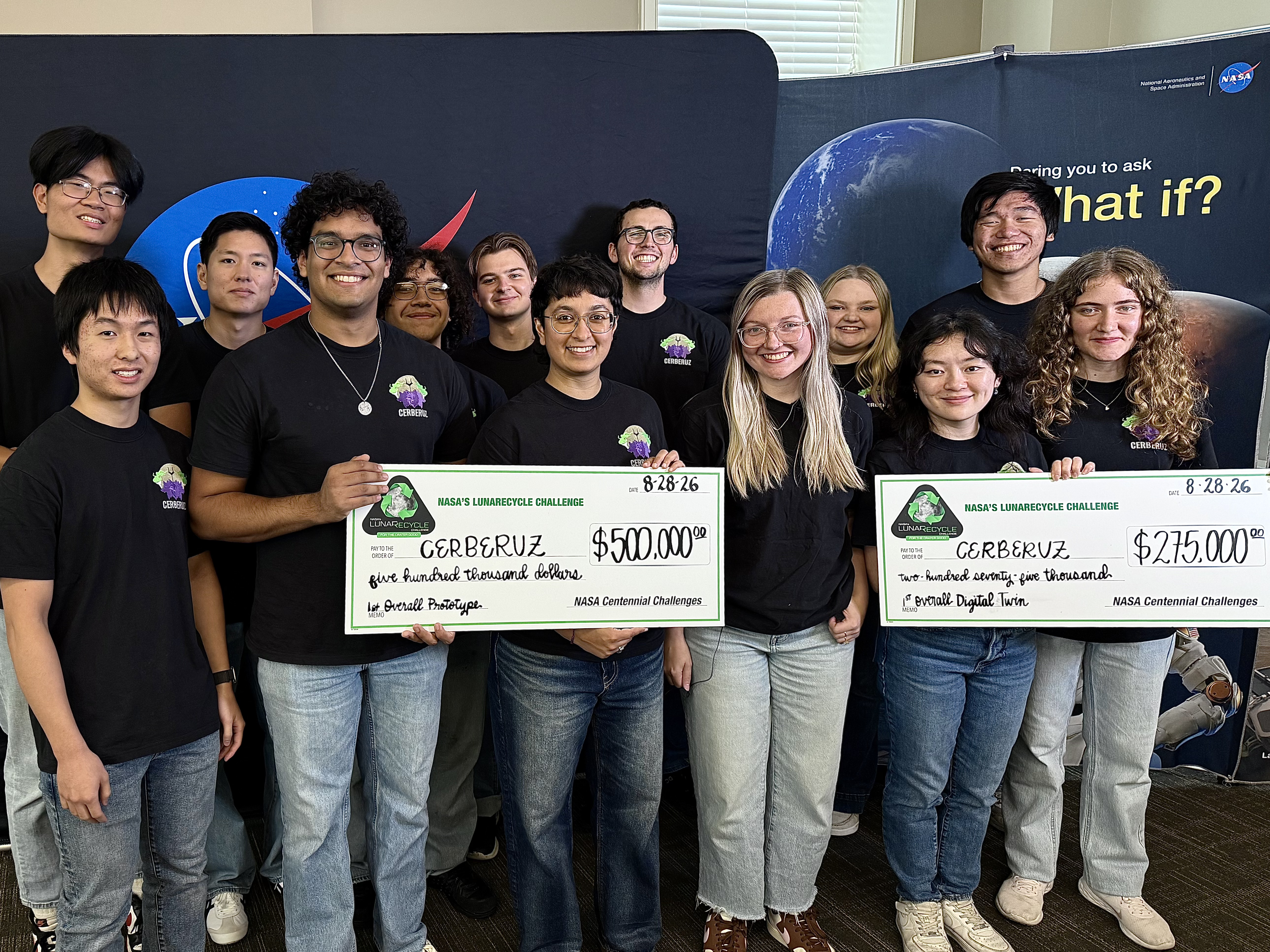
CERBERUZ என்று அழைக்கப்படும் வெற்றி பெற்ற MIT அணி, கலந்த குப்பையை மறுபயன்பாட்டு பொருளாக மாற்ற வடிவமைக்கப்பட்ட ஒரு அமைப்புக்காக முதலிடம் பெற்றது. NASA-வின் அறிவிப்பின்படி, இந்த தொழில்நுட்பம் கழிவுகளை நுண்ணிய பொடியாக அரைத்து, அவற்றை மாசுபாடாகக் கருதிப் முதலில் நீக்க வேண்டியதற்குப் பதிலாக Zotek foam உள்ளிட்ட பொருட்களை வலுப்படுத்துதலாக மறுபயன்படுத்துகிறது. பின்னர் அந்த பொடி injection-molded இறுதிப் பகுதிகளுக்கான feed-ஆகவும் 3D-printing filament-ஆகவும் பயன்படுத்தப்படலாம்.
ராக்கெட்டுகள், வசிப்பிடங்கள் அல்லது உயிர்த் தாங்கல் அமைப்புகளுடன் ஒப்பிடும்போது இந்த கருத்து சிறிய முன்னேற்றமாகத் தோன்றலாம். ஆனால் நடைமுறையில், இது பூமிக்கு அப்பாலான தளவாடங்களின் ஒரு மையக் கொள்கையை சுட்டிக்காட்டுகிறது: பொருட்களை குப்பையாகச் சேமிப்பதற்குப் பதிலாக அல்லது மீண்டும் மீண்டும் புது வழங்கல்களால் மாற்றுவதற்குப் பதிலாக அவற்றை அதே இடத்தில் மறுபயன்படுத்த முடிந்தால் பணிகள் அதிக நெகிழ்வாகின்றன.
நிலாவில் குப்பை ஏன் முக்கியம்
பூமியில், கழிவு மேலாண்மை பொதுவாக பின்னணிக் கட்டமைப்பாகக் கருதப்படுகிறது. விண்வெளியில், அது ஒரு வடிவமைப்பு கட்டுப்பாடாக மாறுகிறது. பூமியிலிருந்து அனுப்பப்படும் ஒவ்வொரு கிலோகிராமும் எடை, பருமன், ஆற்றல், மற்றும் பணி திட்டமிடல் ஆகியவற்றில் செலவைக் கொண்டுள்ளது. நிலாவில் அல்லது ஆழ் விண்வெளி பணிகளில், கைவிடப்பட்ட பொதி, பழுதான பொருட்கள், உடைந்த கூறுகள், மற்றும் உற்பத்தி மீதங்கள் ஆகியவை செயலாக்கி பயனுள்ள ஒன்றாக மாற்ற முடியாவிட்டால் ஒரு சுமையாகக் குவிந்து விடலாம்.
NASA இந்த சவாலை அந்த யதார்த்தத்தை மையமாக வைத்து வடிவமைத்தது. துணிகள், பிளாஸ்டிக், foam, உலோகங்கள் போன்ற பொதுவான பொருட்களை மறுசுழற்சி செய்து நிலா அல்லது ஆழ் விண்வெளிப் பணிகளின் போது உருவாகும் கழிவைக் குறைப்பதையே போட்டி கவனம் கொண்டது. அந்த வரம்பு முக்கியமானது, ஏனெனில் நீண்டகால ஆய்வு முயற்சிகளில் குவிவதற்கான பொருட்கள் இதுவே: உணவு மற்றும் உபகரணப் பொதி முதல் பராமரிப்பு கழிவுகள் மற்றும் insulation பொருட்கள் வரை.
வழங்கப்பட்ட உரையின் அடிப்படையில், MIT அமைப்பின் நன்மை என்னவென்றால், மீண்டும் பயன்படுத்துவதற்கு முன் மிகத் துல்லியமான sorting தேவைப்படுவதில்லை. கலந்த குப்பை பொடியாகச் சிதைக்கப்படுகிறது, மேலும் இல்லையெனில் இடையூறு எனக் கருதப்படும் ஒரு பொருள் வலுப்படுத்தும் கூறாக மாறுகிறது. பணி செயல்பாடுகளில், கவனமான பிரிப்புத் தேவையை குறைப்பது குழு பணிகளை எளிமைப்படுத்தி, மறுசுழற்சியுடன் தொடர்புடைய உழைப்பு சுமையைக் குறைக்கலாம்.
உண்மையான பொறியியல் விளைவுகள் கொண்ட ஒரு போட்டி
LunaRecycle என்பது University of Alabama-வின் பொறியியல் கல்லூரியுடன் இணைந்து நடத்தப்படும், இரண்டு கட்டங்களைக் கொண்ட, $3 மில்லியன் மதிப்புள்ள NASA போட்டி. Phase 2 இறுதிப் போட்டி 2026 ஆகஸ்ட் 24 முதல் ஆகஸ்ட் 28 வரை Tuscaloosa-வில் 14 இறுதிச் சுற்று அணிகளை ஒன்றுகூட்டியது; அங்கு அவர்கள் முன்மாதிரி அமைப்புகளை வெளிப்படுத்தினர். சில அணிகள் தங்கள் வன்பொருளுடன் கூட digital twins, அதாவது மெய்நிகர் மாதிரிகளையும் சமர்ப்பித்தன.
CERBERUZ ஒரு பிரிவை மட்டும் வெல்லவில்லை. MIT அணி prototype development track மற்றும் digital twin track ஆகிய இரண்டிலும் முதலிடம் பெற்றதாக NASA தெரிவித்தது; மொத்தமாக $775,000 பரிசுத் தொகை கிடைத்தது. இந்த இரட்டை வெற்றி குறிப்பிடத்தக்கது, ஏனெனில் இது உட்பொருள் செயல்படுத்தல் மற்றும் அமைப்பு மாதிரியாக்கல் இரண்டிலும் வலிமை இருப்பதை சுட்டிக்காட்டுகிறது. விண்வெளிப் பயன்பாடுகளில் இந்த சேர்க்கை முக்கியம்: வன்பொருள் மட்டும் போதாது, மேலும் தொலைதூர, வளக் கட்டுப்பாடுள்ள, அல்லது ஆபத்தான சூழல்களில் செயல்திறனை முன்கூட்டியே கணிக்க பொறியாளர்களுக்கு digital models அதிகம் பயனாகின்றன.
Marshall Space Flight Center-இல் Centennial Challenges-ஐ நிர்வகிக்கும் NASA-வின் Jennifer Edmunson, இறுதிப் போட்டியை இரண்டு ஆண்டுகளின் புதுமைகளின் உச்சமாக விவரித்து, கருத்துகள் எவ்வளவு விரைவாக முன்மாதிரிகளாகவும் காட்சிப்படுத்தல்களாகவும் மாற்றப்பட்டன என்பதை வலியுறுத்தினார். இது challenge program-களுக்கான வழக்கமான விளக்கமாக இருந்தாலும், பல்கலைக்கழகங்கள், தொழில்முனைவோர், மற்றும் சுயாதீன தொழில்நுட்ப நிபுணர்களிடமிருந்து பாரம்பரிய ஒப்பந்ததாரர்களுடன் சேர்ந்து தீர்வுகளை கண்டறிய NASA prize competition-களை அதிகமாகப் பயன்படுத்தி வருவதை இது பிரதிபலிக்கிறது.
கழிவு ஓடையிலிருந்து உற்பத்தி feedstock-க்கு
வெற்றி பெற்ற கருத்தின் மிகச் சுவாரசியமான பகுதி மறுசுழற்சி செய்வதே அல்ல. அது ஒரு கழிவு ஓட்டத்தை உற்பத்தி உள்ளீடாக மாற்றும் எண்ணமே. குப்பையை molded பகுதிகளுக்கான feedstock-ஆக அல்லது 3D-printing filament-ஆக மாற்ற முடிந்தால், மறுசுழற்சி என்பது அகற்றும் அமைப்பாக இல்லாமல், in-situ production chain-இன் ஒரு பகுதியாக மாறுகிறது.
இந்த வேறுபாடு எதிர்கால நிலா தளங்களுக்கு முக்கியமாக இருக்கலாம். செயலாக்கப்பட்ட கழிவிலிருந்து replacement brackets, housings, எளிய கருவிகள், அல்லது noncritical structural components ஆகியவற்றை உருவாக்கக்கூடிய ஒரு நிலையம், பூமியிலிருந்து திட்டமிட்ட deliveries-க்கு குறைவாக சார்ந்திருக்கும். launch windows, cargo manifests, மற்றும் mission margins இறுக்கமாக இருக்கும் போது, மீள்சேர்க்கைத் தேவைகளில் சிறிய குறைப்புகள்கூட பெரும் விளைவுகளை ஏற்படுத்த முடியும்.
வழங்கப்பட்ட மூல உரை MIT அமைப்பு flight-ready எனக் கூறவில்லை, மேலும் மறுசுழற்சி செய்யப்பட்ட output-இலிருந்து துல்லியமாக எந்த mission-grade பகுதிகள் செய்யலாம் என்பதையும் குறிப்பிடவில்லை. ஆனால் திசை தெளிவானது: loop-களை மூடும் தொழில்நுட்பங்களை NASA விரும்புகிறது. விண்வெளி அமைப்புப் பொறியியலில், closed-loop அணுகுமுறைகள் மதிப்புமிக்கவை, ஏனெனில் அவை ஒருதிசை நுகர்வின் சார்பை குறைக்கின்றன.

பூமி பயன்பாடுகளும் முன்வைப்பின் ஒரு பகுதி
NASA அணிகளை பூமிக்கு அப்பாலான பயன்பாட்டைத் தாண்டியும் சிந்திக்க ஊக்குவித்தது. போட்டியாளர்கள் பூமியில் பயன்பாடுகள் உள்ள தீர்வுகளை கற்பனை செய்யுமாறு கேட்டுக்கொள்ளப்பட்டனர்; இது ஏஜென்சியின் challenge program-கள் ஆய்வுத் தேவைகளுக்கும் நிலத் தொழில்துறைக்கும் இடையிலான எல்லையில் இயங்குகின்றன என்பதற்கான நினைவூட்டல்.
தீவிர sorting தேவையின்றி கலந்த கழிவுகளை பயனுள்ள உற்பத்தி பொருளாக மாற்றக்கூடிய ஒரு தொழில்நுட்பம், தொலைதூர செயல்பாடுகள், பேரிடர் பதில் நடவடிக்கைகள், ராணுவ தளவாடம், தொழில்துறை தளங்கள், அல்லது வழங்கல் சங்கிலி குறைவான, கழிவு அகற்றுதல் விலை உயர்ந்த தனிமைப்படுத்தப்பட்ட சமூகங்களுக்கு பொருந்தக்கூடும். வழங்கப்பட்ட மூலத்தில் வணிகமயமாக்கல் திட்டங்கள் விவரிக்கப்படவில்லை, ஆனால் போட்டியின் வடிவமைப்பு இந்த இரட்டை பயன்பாட்டு சாத்தியமே மதிப்புக் கருத்தின் ஒரு பகுதி என்பதைத் தெளிவுபடுத்துகிறது.
அது தொழில்நுட்ப ரீதியாக மட்டுமல்ல, அரசியல் ரீதியாகவும் முக்கியமானது. பூமியில் நிலைமைகளை மேம்படுத்தும் கருவிகள், செயல்முறைகள், அல்லது வணிக வாய்ப்புகளை உருவாக்க முடியும் என நம்பத் தக்கவாறு இருந்தால், விண்வெளித் தொழில்நுட்பத் திட்டங்களை ஆதரிப்பது எளிதாகிறது.
பரந்த நிலா சூழல்
NASA-வின் நிலா இலக்குகள், launch vehicles மற்றும் landers மட்டுமல்லாமல், நடைமுறை உதவித் தொழில்நுட்பங்களின் முழுமையான சூழலையே அதிகமாக சார்ந்துள்ளன. மேற்பரப்பு power, mobility, communications, construction, dust mitigation, மருத்துவ ஆதரவு, மற்றும் waste management ஆகிய அனைத்தும் ஒரு குறுகிய விஜயம் நீடித்த இருப்பாக மாறுமா என்பதை நிர்ணயிக்கின்றன.
LunaRecycle இந்த விரிவான மாற்றத்துக்குள் பொருந்துகிறது. இந்த challenge, கழிவை பணி நீடித்திருப்புடன் தொடர்புடைய systems engineering பிரச்சினையாகக் கருகிறது. இது ஆய்வின் முதிர்ந்த பார்வை. பூமிக்கு அப்பால் ஒரு நீடித்த தளத்தை அமைப்பது பாதுகாப்பாகச் சென்று சேர்வதையே மட்டும் சார்ந்தது அல்ல; அங்கு சென்ற பிறகு திறம்பட இயங்குவதையும் சார்ந்தது.
வகைப்படுத்தப்படாத mission waste-ஐ மறுபயன்பாட்டு fabrication material-ஆக மாற்றக்கூடிய ஒரு அணியைப் பாராட்டுவதன் மூலம், NASA அதிகம் விரும்பும் புதுமை எந்த வகையிலானது என்பதைச் சுட்டிக்காட்டுகிறது: பூமியிலிருந்து ஒவ்வொரு தீர்வையும் இறக்குமதி செய்ய வேண்டிய தேவையை குறைக்கும், சுருக்கமான, மாற்றத்துக்கேற்ற, வளங்களை கவனமாகப் பயன்படுத்தும் அமைப்புகள். நிலா ஆய்வில், இது எந்த ஒரு உயர்ப்ரொஃபைல் hardware சாதனையையும் போலவே முக்கியமானதாக இருக்கலாம்.
- MIT-இன் CERBERUZ அணி NASA-வின் LunaRecycle Challenge இரண்டாம் கட்டத்தில் முதல் பரிசை வென்றது.
- இந்த அமைப்பு கலந்த பணிக்கழிவுகளை molded பகுதிகளுக்கும் 3D-printing filament-க்கும் பயன்படும் பொடியாக மாற்றுகிறது.
- நீண்ட நிலா மற்றும் ஆழ் விண்வெளிப் பணிகளுக்குத் தன்னிறைவு அதிகரிக்க, NASA மறுசுழற்சியை ஒரு நடைமுறை தேவையாகக் கருகிறது.
இந்த கட்டுரை NASA செய்தி வெளியீட்டின் அடிப்படையில் அமைந்தது. மூலக் கட்டுரையைப் படிக்கவும்.

Originally published on nasa.gov