
பசுமை ஹைட்ரஜன் உபகரணங்களுக்கு புதிய உற்பத்தி மையம்
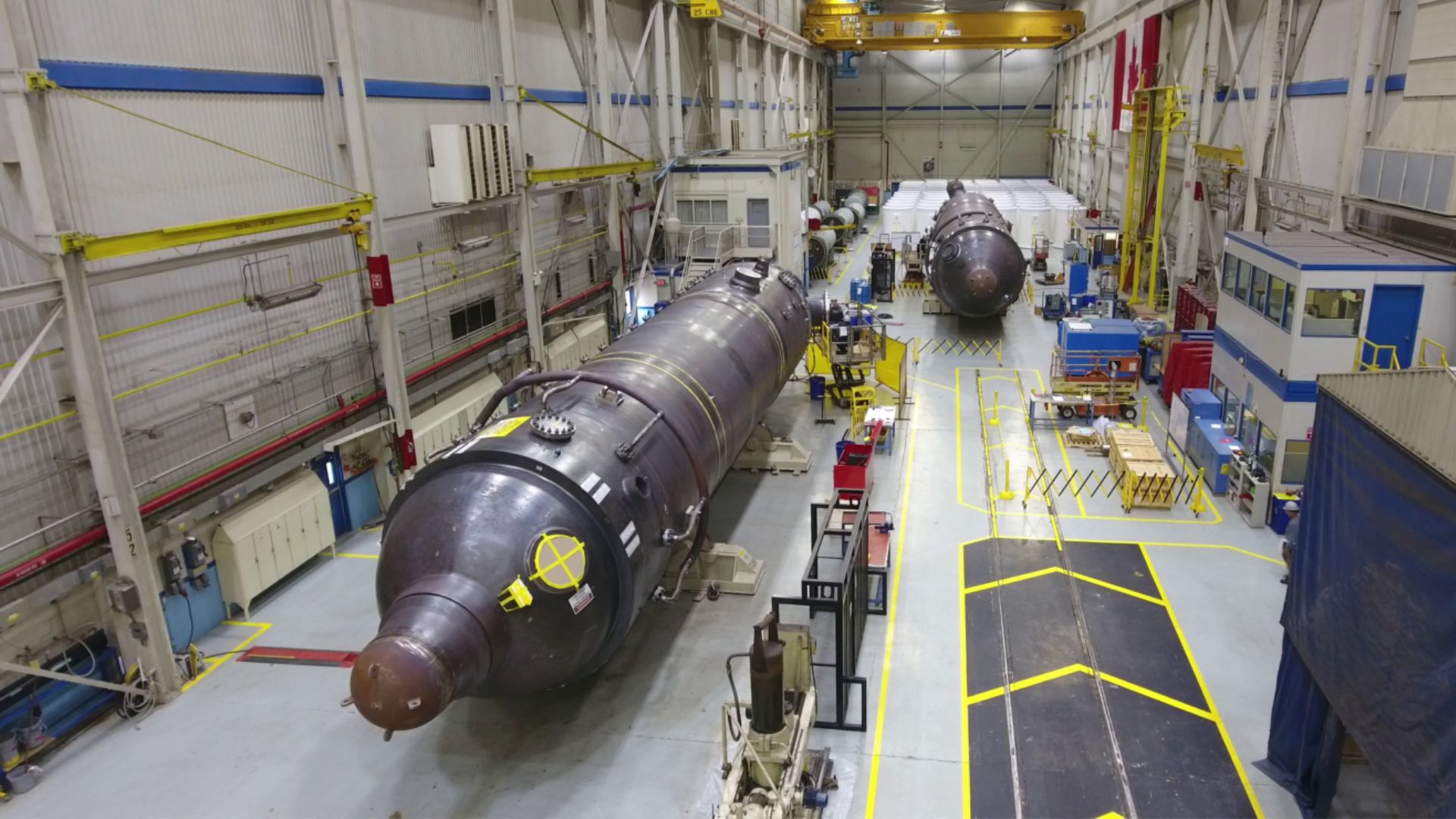
RCT Hydrogen ஜெர்மனியின் Saarbrücken-இல் புதிய electrolyzer factory-யை இயக்கத் தொடங்கியுள்ளது; இது green hydrogen supply chain-இன் முக்கிய கூறுகளை உள்ளூர்மைப்படுத்தும் ஐரோப்பாவின் முயற்சிக்கு புதிய உற்பத்தித் திறனை சேர்க்கிறது. இந்த facility, ஜெர்மன் தொழில்துறை உற்பத்தியாளர் Brück உடன் உள்ள joint venture வழியாக தொடங்கப்பட்டுள்ளது, மேலும் மொத்தமாக 250 megawatts ஆண்டுத் திறன் கொண்ட electrolysis systems-ஐ உற்பத்தி செய்யும் வகையில் வடிவமைக்கப்பட்டுள்ளது.
2026 June-இல் 5 MW electrolyzer ஒன்றின் assembly-யுடன் உற்பத்தி தொடங்கும்; delivery மற்றும் commissioning அதே ஆண்டின் பின்னர் ஜெர்மனியின் ஒரு industrial site-இல் திட்டமிடப்பட்டுள்ளன என்று நிறுவனம் கூறுகிறது. முதலில் பார்த்தால் இது அளவில் சிறிய deployment போலத் தோன்றலாம். ஆனால் மூலோபாய ரீதியாக இது பெரிய ஒன்றைச் சுட்டுகிறது: ஐரோப்பாவின் hydrogen இலக்குகள் இப்போது திட்ட அறிவிப்புகளால் மட்டும் அல்ல, உள்ளூர் உற்பத்தியாளர்கள் உண்மையில் பொருத்தமான செலவும் காலவரையிலும் உபகரணங்களை வழங்க முடியுமா என்பதாலும் தீர்மானிக்கப்படுகின்றன.
உள்ளூர் உற்பத்தி ஏன் முக்கியம்
hydrogen economy-யில் நிலைத்திருக்கும் இரண்டு bottlenecks-களான availability மற்றும் cost-க்கு புதிய plant ஒரு பதிலாக அமைந்துள்ளது என்று RCT கூறுகிறது. இவை கோட்பாட்டு கட்டுப்பாடுகள் அல்ல. ஐரோப்பா முழுவதிலும் உள்ள hydrogen stratgy-கள் பல நேரங்களில் தொழில்துறை செயல்படுத்தலைவிட policy intent-இல் வேகமாக நகர்ந்துள்ளன; இதனால் developers முக்கிய உபகரணங்களுக்கு uncertain lead times மற்றும் import dependence-ஐச் சந்திக்க வேண்டியுள்ளது. ஜெர்மனியில் electrolyzer systems-ஐ உற்பத்தி செய்வதன் மூலம், அந்த dependence-ஐ குறைத்து, திட்டமிடலிலிருந்து deployment வரை செல்லும் பாதையை சுருக்க RCT தன்னை நிலைநிறுத்துகிறது.
நிறுவனத்தின் வாதம் எளிமையானது. hydrogen ஒரு நடைமுறை industrial decarbonization கருவியாக மாற வேண்டும் என்றால், நிறுவனங்கள் அதை நியாயமான காலவரையிலான வரம்புகளில் வாங்கக்கூடிய உபகரணங்கள் வேண்டும்; நீண்டகால வாக்குறுதிகள் மட்டும் போதாது. அந்த அர்த்தத்தில் Saarbrücken facility சின்னார்த்த manufacturing-இலிருந்து குறைவாகவும், ஒரு regional supply base போதுமான வேகத்தில் உருவாக்கப்பட முடியுமா என்பதோடு அதிகமாகவும் தொடர்புடையது.

அளவு இருக்கிறது, ஆனால் இன்னும் mass scale இல்லை
ஆண்டுக்கு 250 MW திறன் குறிப்பிடத்தக்கது, ஆனால் இன்று சந்தை எந்த நிலையில் உள்ளது என்பதையும் அது காட்டுகிறது. இந்த sector pilot activity-யிலிருந்து ஆரம்ப industrialization-க்கு நகர்கிறது; முழுமையான commodity production-க்கு அல்ல. இப்படிப் பெரிய factory commercial projects-ஐ ஆதரிக்கவும் manufacturing continuity-ஐ காட்டவும் முடியும், ஆனால் கண்டத்தின் பெரிய capacity சவாலை அது தனிப்பட்ட முறையில் தீர்க்காது.
அதனால் முதல் 5 MW system ஒரு operational proof point ஆக முக்கியமானது. Clean energy-யில் manufacturing அறிவிப்புகள் சாதாரணம்; தொடர்ச்சியான delivery கடினம். plant launch-இலிருந்து assembly, delivery, commissioning வரை திட்டப்படி நகர்ந்தால், RCT-க்கு ribbon-cutting தருணத்தைவிட மதிப்புள்ள ஒன்றைத் தரும்: திட்டமிட்ட திறனை செயல்படும் industrial hardware-ஆக மாற்ற முடியும் என்பதற்கான ஆதாரம்.
ஜெர்மன் அடித்தளம், ஆனால் ஐரோப்பிய முக்கியத்துவம்
ஜெர்மனியில் plant அமைந்திருப்பது உள்நாட்டு தோற்றத்தைக் கடந்தும் முக்கியமானது. கடினமாக electrify செய்யக்கூடிய sectors-க்கு குறிப்பாக, hydrogen-ஐ தனது industrial மற்றும் energy transition strategy-யின் முக்கிய அங்கமாக ஜெர்மனி வைத்துள்ளது. அதே நேரத்தில், நாட்டும் பரந்த ஐரோப்பிய சந்தையும், அதிகமான energy sovereignty-யைத் தேடிக்கொண்டிருக்கும்போதே, எதிர்கால hydrogen economy imported technology-யைச் சார்ந்து போகும் அபாயத்தை எதிர்கொண்டுள்ளன.
Saarbrücken factory அந்த tension-க்குள் அமர்ந்துள்ளது. இது ஒரு continental கேள்விக்கான local பதில்: ஐரோப்பா தனது hydrogen policy-யை ஆதரிக்கத் தேவையான manufacturing backbone-ஐ உருவாக்க முடியுமா? அதற்கு ஒரே factory பதில் அளிக்காது, ஆனால் ஒவ்வொரு operational site-மும் எதிர்கால சாத்தியக்கூறுகளால் அல்ல, தற்போதைய output-ஆல் மதிப்பிடப்பட்ட துறைக்கு தொழில்துறை நம்பகத்தன்மையைச் சேர்க்கிறது.

கதைவிட செயல்படுத்துதலே முக்கியம்
Clean-energy manufacturing கதைகள் பெரும்பாலும் capacity targets, strategic autonomy, மற்றும் decarbonization potential ஆகியவற்றின் பரிச்சயமான சொல்லாடலைக் கொண்டிருக்கும். மிக வலுவான திட்டங்களை வேறுபடுத்துவது narrative அல்ல, செயல்படுத்துதல்தான். RCT இப்போது execution சோதிக்கப்படும் கட்டத்துக்குள் நுழைந்துள்ளது. வரவிருக்கும் 5 MW assembly, commissioning காலக்கெடு, production line-ஐ செயலில் வைத்திருக்கக்கூடிய திறன் ஆகியவை launch-day messaging-ஐ விட முக்கியமானவை.
Industrial buyers-க்கு முக்கியமான கேள்வி நடைமுறையானது: நிறுவனம் நேரத்திற்குள், ஏற்ற செலவில் electrolyzer systems வாங்குவதற்கான நம்பகமான பாதையை வழங்குகிறதா? கொள்கை நிர்ணயர்களுக்கு கேள்வி பரந்தது: இப்படிப்பட்ட facilities hydrogen-ஐ ஆதரிக்கப்பட்ட கருத்திலிருந்து மீண்டும் மீண்டும் செய்யக்கூடிய industrial sector-ஆக மாற்ற உதவுமா?
Hydrogen சந்தைக்கான பயனுள்ள சிக்னல்
இந்த திறந்த கேள்விகள் இருந்தாலும், Saarbrücken plant-ன் தொடக்கம் ஒரு பயனுள்ள சிக்னல். இது energy transition-கள் வேகமடையுமா அல்லது தடைபடுமா என்பதை அடிக்கடி தீர்மானிக்கும் இடைநிலைக் கட்டுமானத்தை சந்தை உருவாக்கத் தொடங்கியுள்ளது என்பதை காட்டுகிறது. உயர்ந்த climate மற்றும் industrial திட்டங்கள் இறுதியில் factories, assembly lines, delivery schedules ஆகியவற்றைப் பொறுத்தே இயங்குகின்றன. Hydrogen-க்கும் இதுவே பொருந்துகிறது.
RCT Hydrogen-ன் புதிய site ஐரோப்பாவின் hydrogen எதிர்காலத்தைத் தனியாகத் தீர்மானிக்காது. ஆனால் செயல்பாட்டைத் தொடங்கி, 2026 delivery-க்கு முதல் commercial-scale system-ஐத் தயாரிப்பதன் மூலம், அது விருப்பத்திலிருந்து manufacturing reality-க்கு நகர்வைக் குறிக்கிறது. இன்னும் bottlenecks-ஆல் வரையறுக்கப்படும் துறையில், இது குறிப்பிடத்தக்க வளர்ச்சி.
- RCT Hydrogen ஜெர்மனியின் Saarbrücken-இல் புதிய electrolyzer factory-யை தொடங்கியுள்ளது.
- facility-யின் திட்டமிடப்பட்ட ஆண்டுத் தயாரிப்பு திறன் 250 MW ஆகும்.
- முதல் 5 MW electrolyzer 2026 June-இல் assembly மற்றும் அதே ஆண்டின் பின்னர் commissioning-க்கு திட்டமிடப்பட்டுள்ளது.
இந்தக் கட்டுரை PV Magazine செய்திகளின் அடிப்படையில் உருவாக்கப்பட்டது. மூலக் கட்டுரையைப் படிக்கவும்.
Originally published on pv-magazine.com




