Thirty-Three Flights and Counting
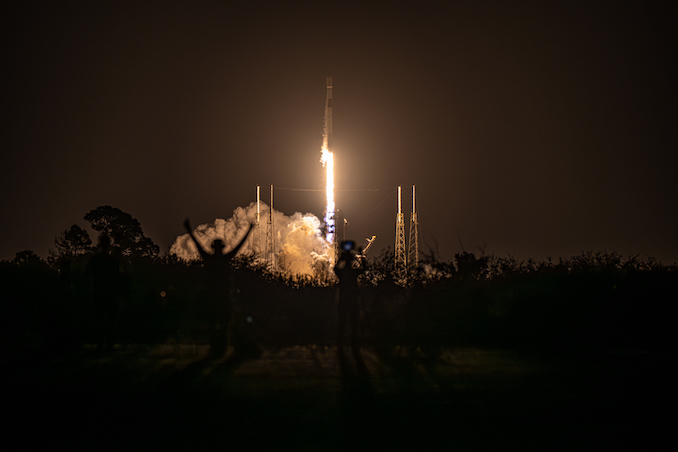
SpaceX has pushed the boundaries of rocket reusability once again as one of its Falcon 9 first-stage boosters completed its 33rd successful flight and landing, extending a record that the company itself set just weeks earlier. The booster, designated B1062, lifted off carrying a batch of Starlink satellites and returned to a drone ship in the Atlantic Ocean, touching down with the precision that has become routine for a company that has fundamentally altered expectations about what rockets can do.
When SpaceX first proposed flying the same rocket booster multiple times, industry veterans were skeptical. Rockets experience extreme mechanical stress during each flight — enormous vibrations, thermal cycling between cryogenic fuel temperatures and rocket exhaust heat, and the structural loads of supersonic atmospheric reentry. The conventional wisdom held that the cumulative effects of this stress would make extensive reuse impractical or unsafe.
Engineering for Endurance
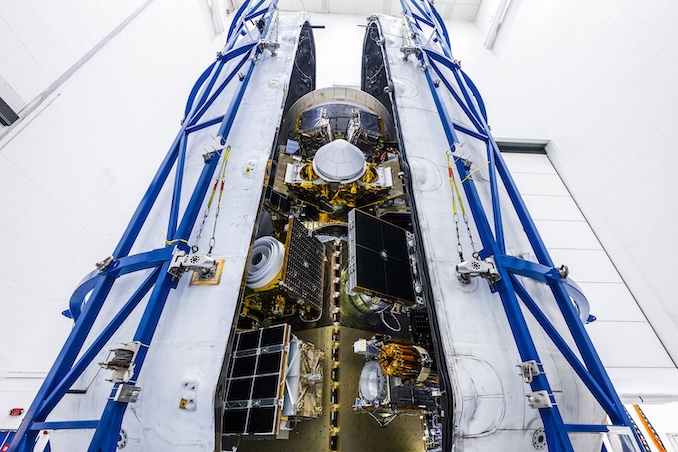
B1062's longevity is the product of deliberate engineering decisions made years ago when SpaceX designed the Falcon 9 Block 5 variant specifically for extensive reuse. The vehicle's Merlin 1D engines were upgraded with improved turbopump seals and oxidizer-rich combustion components designed to withstand repeated thermal cycling. The octaweb structure that holds the nine first-stage engines was reinforced. Heat shields, grid fins, and landing legs were all designed for durability across dozens of flights.
Between missions, each booster undergoes inspection and refurbishment at SpaceX's facilities. While the company has not disclosed the full details of its inter-flight maintenance procedures, the shrinking turnaround times — now measured in weeks rather than months — suggest that the inspections have become increasingly standardized and that the hardware is performing well within its design margins.
The key metric is not just that a booster can fly 33 times, but that it does so reliably. Falcon 9's overall mission success rate exceeds 99 percent across more than 400 missions, and there is no publicly available evidence that booster age or flight count has been a contributing factor in any anomaly. The reliability data builds with each additional flight, strengthening the statistical case for extended reuse.
Rewriting Space Economics
The economic implications of 33-flight boosters are profound. A new Falcon 9 first stage costs an estimated $30 million to manufacture. If that booster flies 33 times, the per-flight hardware cost drops below $1 million — an order-of-magnitude reduction that makes previously uneconomical missions viable and that competitors using expendable rockets simply cannot match.
- A single Falcon 9 first stage costs approximately $30 million to build
- At 33 flights, the amortized first-stage cost per mission falls below $1 million
- SpaceX charges commercial customers between $50 million and $70 million per Falcon 9 launch
- The company's reuse-driven margin enables heavy investment in Starship development
This cost advantage cascades through SpaceX's business. Lower launch costs make the Starlink constellation economically viable, which generates recurring subscription revenue that funds further launch development. The flywheel effect — cheaper launches enabling bigger constellations enabling more revenue enabling further investment — is unique in the space industry and has proven difficult for competitors to replicate.
Implications for the Industry
SpaceX's reuse record puts pressure on every other launch provider in the world. The European Space Agency's Ariane 6, which made its debut in 2024, is fully expendable and priced at roughly $80 million per flight. United Launch Alliance's Vulcan Centaur is partially reusable but has not yet demonstrated the rapid turnaround that SpaceX achieves. Blue Origin's New Glenn is designed for first-stage reuse but is still in its early operational phase.
China has emerged as the most aggressive competitor in reuse development, with several companies — including SpaceX-like startup LandSpace — flight-testing reusable boosters. However, none have achieved the flight rates or turnaround times that SpaceX routinely demonstrates.
The gap between SpaceX and its competitors in operational reuse is not merely technical — it reflects years of flight experience, iterative refinement, and institutional knowledge that cannot be shortcut. Each of B1062's 33 flights generated data that informed improvements to inspection procedures, refurbishment techniques, and flight clearance criteria. This accumulated operational wisdom is as much a competitive advantage as the hardware itself.

The Road to Starship
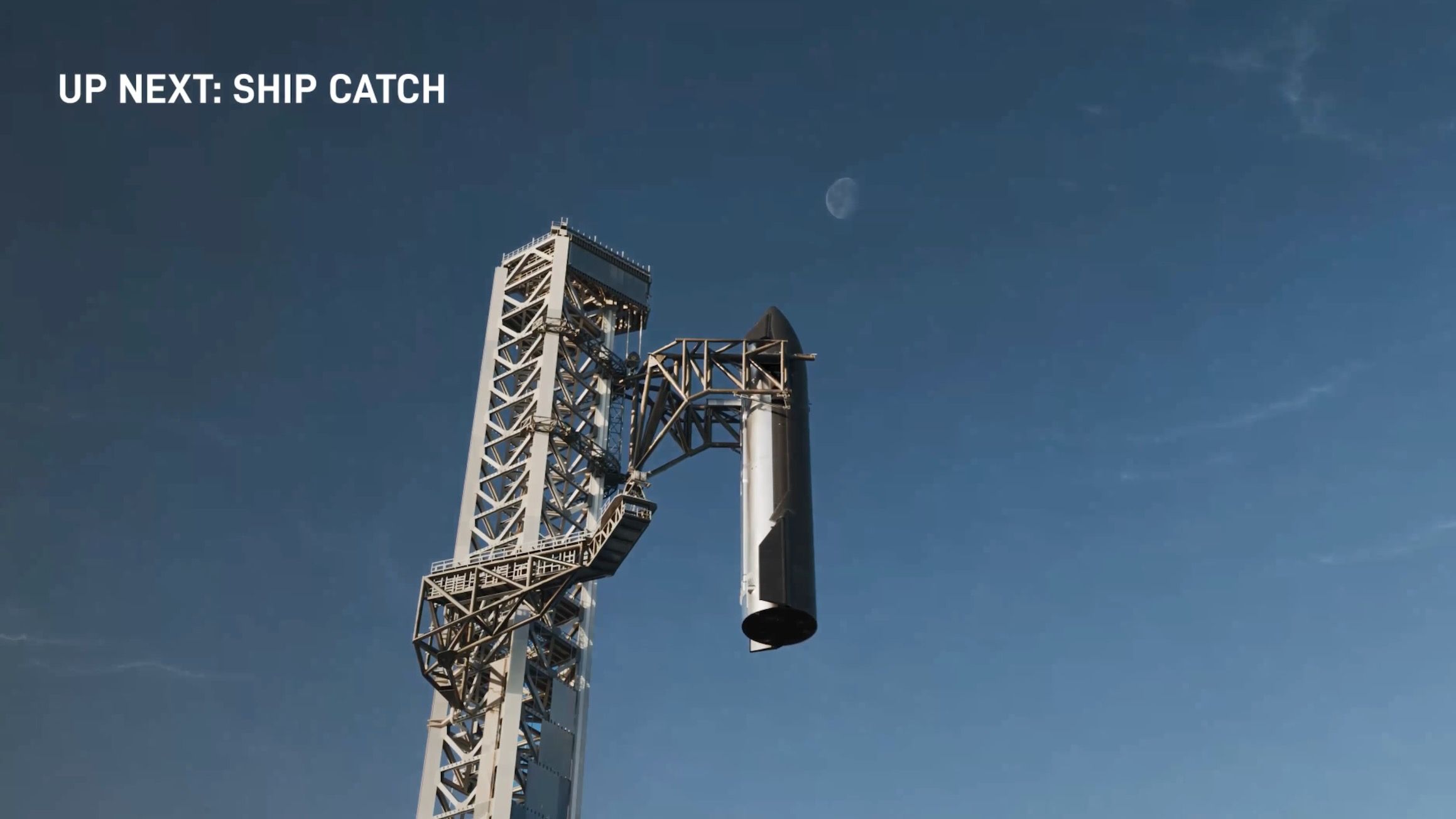
While the Falcon 9's reuse achievements are historic, SpaceX views them as a stepping stone to the fully reusable Starship system, which is designed to make both stages recoverable and to carry dramatically larger payloads. Starship's development benefits directly from the lessons learned through hundreds of Falcon 9 booster recoveries and refurbishments.
The 33-flight milestone for B1062 is unlikely to stand for long. Multiple other Falcon 9 boosters are approaching similar flight counts, and SpaceX has given no indication that it sees a practical ceiling on the number of times a well-maintained Block 5 booster can fly. Each new record flight extends the dataset, validates the engineering, and redefines what the world expects from a rocket.
This article is based on reporting by Spaceflight Now. Read the original article.
Originally published on spaceflightnow.com