A Historic First in Human Spaceflight
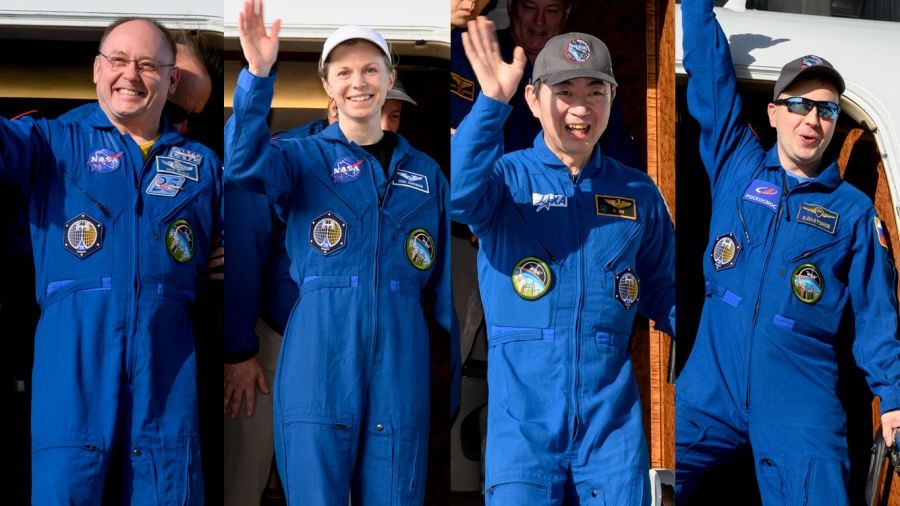
NASA has taken the unusual step of publicly identifying the astronaut whose medical emergency necessitated the first-ever medical evacuation from the International Space Station. The disclosure came at the request of the affected crew member, ending weeks of speculation about the incident that cut short SpaceX's Crew-11 mission in late January 2026.
The evacuation marked a significant milestone — and not a welcome one — in the more than 25-year continuous human presence aboard the orbital laboratory. While the ISS has dealt with medical situations before, including dental emergencies and minor injuries, this was the first time a crew member's condition was deemed serious enough to warrant an early return to Earth aboard a SpaceX Crew Dragon capsule.
NASA officials emphasized that the decision to evacuate was made out of an abundance of caution and that the crew member received appropriate care both during the descent and after splashdown. The rapid response demonstrated that the protocols developed for exactly this type of scenario worked as designed.
The Crew-11 Mission and Its Early End
SpaceX Crew-11 launched in January 2026 as part of NASA's Commercial Crew Program, carrying a team of astronauts for a planned six-month expedition aboard the station. The mission was proceeding normally, with crew members conducting scientific experiments and station maintenance, when the medical situation developed.
Details about the specific nature of the medical issue remain limited, though NASA indicated it was not an injury from a workplace accident aboard the station. The agency's flight surgeons, working in coordination with medical experts on the ground, evaluated the astronaut's condition and determined that the safest course of action was to return to Earth rather than attempt treatment in the station's limited medical facilities.
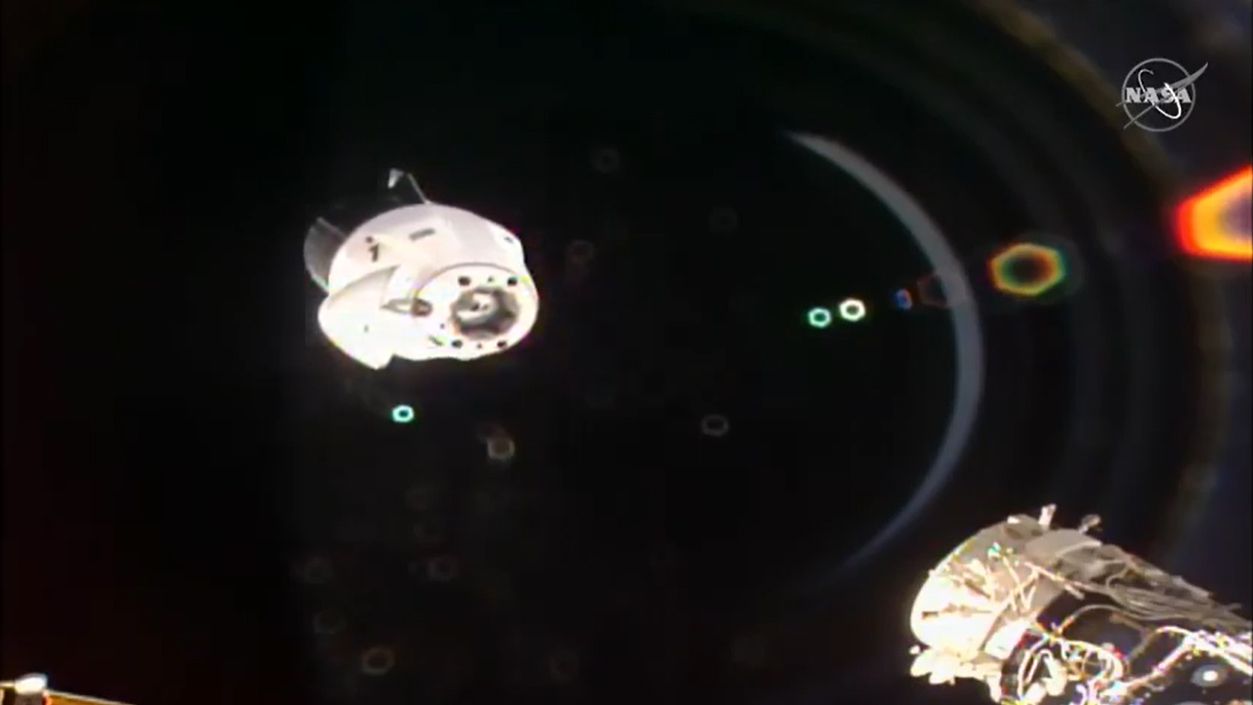
The decision to evacuate required careful coordination between NASA, SpaceX, and the other international partners who contribute to ISS operations. A Crew Dragon capsule was prepared for an expedited undocking, and the return trajectory was planned to bring the crew member to a recovery zone where medical teams were standing by.
Medical Capabilities in Low Earth Orbit
The incident has renewed attention on the medical capabilities — and limitations — available to astronauts in space. The ISS is equipped with a Health Maintenance System that includes basic diagnostic tools, a pharmacy of common medications, a portable ultrasound device, and equipment for minor surgical procedures. Crew members receive extensive pre-flight medical training, and at least one person on each expedition is designated as the Crew Medical Officer.
However, the station is not a hospital. There is no surgical suite, no advanced imaging like CT or MRI, and no ability to perform blood transfusions or complex procedures. For any condition that cannot be managed with the available resources, evacuation is the only option — and it has always been recognized as a possibility that mission planners must account for.
The availability of SpaceX Crew Dragon vehicles docked at the station provides a return-to-Earth capability that can be activated within hours. This is a significant improvement over earlier eras of space station operations, when the only return vehicle was the Russian Soyuz, which required longer preparation times and landed in remote areas of Kazakhstan.
Implications for Long-Duration Spaceflight
The evacuation carries particular significance as NASA and its partners plan missions beyond low Earth orbit. The Artemis program aims to return humans to the lunar surface, and crewed missions to Mars remain a long-term goal. In those environments, medical evacuation to Earth would be far more difficult — taking days from the Moon and being essentially impossible during a Mars transit.
This reality has driven increased investment in telemedicine capabilities, autonomous medical diagnostic systems, and research into how to perform more complex medical procedures in microgravity. NASA's Human Research Program has been studying the effects of spaceflight on human physiology for decades, building a knowledge base that will be critical for enabling longer missions.
Some experts have argued that the ISS evacuation should accelerate the development of more advanced medical capabilities for future space stations and deep-space vehicles. The Lunar Gateway, a planned orbital station around the Moon, will need to have medical capabilities that go beyond what the ISS currently offers, given the longer return time to Earth.
Transparency and Crew Privacy
The decision to identify the astronaut publicly was notable for its handling of the tension between transparency and medical privacy. NASA initially withheld the crew member's identity, citing privacy concerns — a position that is both legally required and ethically appropriate for medical information.
The subsequent disclosure, made explicitly at the astronaut's own request, reflected a desire to address public speculation and provide accurate information about what happened. The astronaut reportedly wanted the record to be clear and to help advance public understanding of the medical risks inherent in spaceflight.
This approach — protecting privacy by default while allowing the individual to choose transparency — may serve as a model for handling similar situations in the future. As human spaceflight expands to include more participants, including commercial astronauts and space tourists, the question of how to handle medical incidents publicly will only grow more complex.
The Mission Continues
The remaining Crew-11 mission objectives are being carried out by the other crew members aboard the station, with support from the ongoing Expedition team. NASA has stated that the early evacuation has not significantly impacted the station's scientific program, though some experiments that required the evacuated astronaut's participation have been reassigned or postponed.
SpaceX's next crewed mission to the station is on track, and the company's rapid-response capability demonstrated during the evacuation has only strengthened confidence in the Commercial Crew Program's operational readiness. For NASA, the episode — while unwelcome — has validated the emergency procedures that have been developed and rehearsed over years of preparation.
This article is based on reporting by Space.com. Read the original article.

Originally published on space.com