Round Two at the Launch Pad
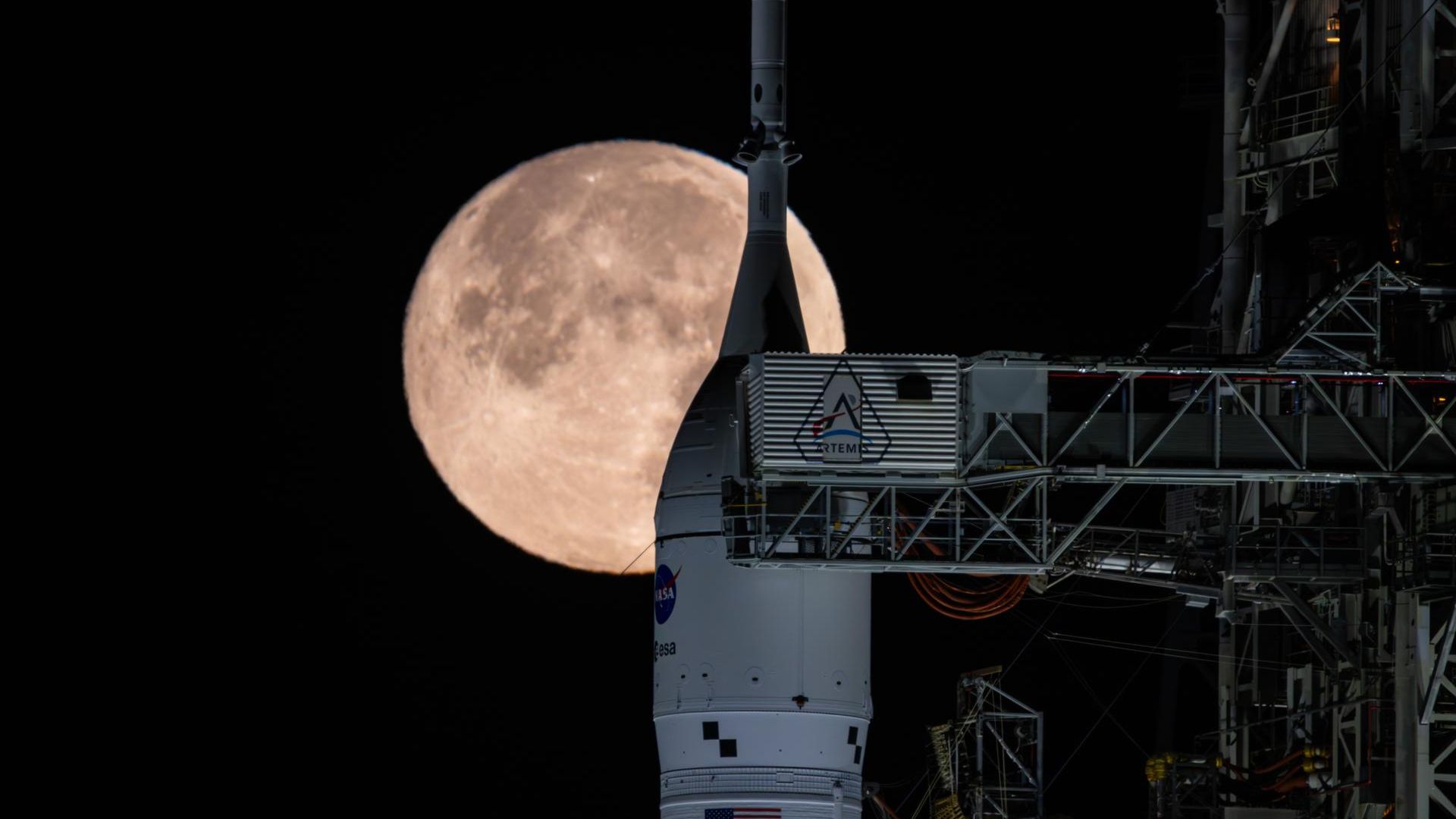
On February 19, 2026, NASA will once again attempt to load cryogenic propellant into the towering Space Launch System rocket at Kennedy Space Center's Launch Complex 39B, hoping to resolve the hydrogen leak issues that marred the first fueling test earlier this month. The stakes could not be higher: a successful wet dress rehearsal would clear the path for the first crewed mission to fly beyond Earth orbit since Apollo 17 in 1972, while another failure could push Artemis 2 further into a schedule already burdened by years of delays.
Launch controllers began the 50-hour countdown sequence on February 17, with a simulated launch time targeted for 8:30 PM EST on February 19. The extended countdown allows engineers to methodically work through each phase of the fueling process, monitoring for the hydrogen leaks that disrupted the first attempt and verifying that repairs conducted over the past two weeks have resolved the underlying problems.
What Went Wrong the First Time
The first wet dress rehearsal, conducted on February 2 and 3, achieved several important milestones. Engineers successfully loaded cryogenic propellant into the SLS core stage tanks, sent a team out to the launch pad to close out the Orion spacecraft, and safely drained the rocket after the test, all critical steps in the pre-launch checklist. However, the test was shadowed by a persistent hydrogen leak in an interface used to route the supercold propellant into the rocket's core stage.
Engineers spent several hours troubleshooting the leak during the tanking process. They pressed forward with terminal countdown operations, counting down to approximately five minutes remaining before the ground launch sequencer automatically halted the countdown due to a spike in the liquid hydrogen leak rate. The automatic hold was a safety system working as designed, but the leak rate exceeded acceptable parameters and could not be resolved during the test window.
As a result, NASA moved off its February launch window and began targeting March for the earliest possible launch of Artemis 2. The agency spent the intervening weeks conducting repairs and analysis at the launch pad, focused on the hydrogen interface that caused the leak.
The Persistent Challenge of Liquid Hydrogen
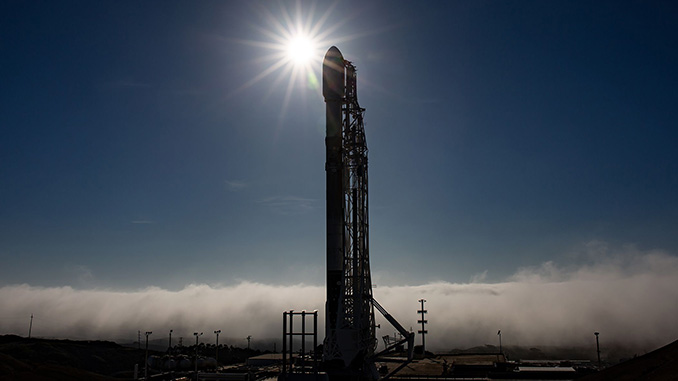
Hydrogen leaks have been a recurring theme throughout the Artemis program, and the challenge is rooted in fundamental physics rather than engineering incompetence. Liquid hydrogen is the smallest molecule that exists, capable of finding and exploiting the tiniest gaps in seals, joints, and interfaces that would be perfectly adequate for any other propellant. The substance must be maintained at negative 423 degrees Fahrenheit to remain in liquid form, and this extreme cold causes metal components to contract and seals to behave unpredictably as temperatures fluctuate during the fueling process.
The same physics that make hydrogen an exceptional rocket propellant, its incredibly high energy-to-weight ratio, also make it extraordinarily difficult to handle on the ground. Every joint, seal, and connection point in the propellant delivery system is a potential leak site, and the thermal cycling that occurs during fueling and defueling can degrade seals over time.
- The first fueling test on February 2-3 was halted at T-minus 5 minutes due to a hydrogen leak spike
- NASA spent two weeks conducting repairs and analysis on the hydrogen interface before attempting the second test
- Liquid hydrogen's tiny molecular size and extreme cold temperature of -423 degrees F make leaks notoriously difficult to prevent
- A successful second test could enable an Artemis 2 launch as early as March 2026
- Artemis 2 would be the first crewed mission beyond Earth orbit since Apollo 17 in 1972
Repairs and Preparations
NASA published an update on February 8 detailing the repairs and analysis conducted in the wake of the first test. Engineers focused their attention on the specific hydrogen interface that exhibited the elevated leak rate, replacing seals and inspecting connection points for any signs of degradation or misalignment. The agency also reviewed data from the first test to better understand the conditions under which the leak rate spiked, information that will help engineers anticipate and respond to similar issues during the second attempt.
The second fueling test will follow essentially the same sequence as the first, loading liquid hydrogen and liquid oxygen into the SLS core stage tanks while monitoring dozens of sensors throughout the propellant delivery system. The difference this time is that engineers have a much better understanding of where to focus their attention and what anomalies to watch for, thanks to the diagnostic data gathered during the first attempt.

The Artemis 2 Mission
If the second wet dress rehearsal is successful and no additional issues are discovered, Artemis 2 could launch as early as March 2026, though NASA has not committed to a specific launch date pending the outcome of the test. The mission will carry a crew of four astronauts on a trajectory around the moon and back, a roughly 10-day flight that will verify the Orion spacecraft's life support systems, navigation capabilities, and heat shield performance in deep space conditions.
The crew includes NASA astronauts Reid Wiseman, Victor Glover, and Christina Koch, along with Canadian Space Agency astronaut Jeremy Hansen. Glover will become the first person of color to fly beyond low Earth orbit, and Koch will become the first woman to do so. Hansen will be the first non-American to travel beyond Earth orbit since the Apollo era.
Artemis 2 serves as the essential precursor to Artemis 3, which aims to land astronauts on the lunar surface for the first time since 1972. The data and experience gained from the crewed flyby mission will directly inform the planning and execution of the landing mission, making the successful completion of Artemis 2 a critical milestone for the entire program.
What to Watch For
The February 19 test will be closely monitored not just by NASA engineers but by space enthusiasts and industry observers worldwide. The key metric will be whether the hydrogen leak has been resolved or sufficiently reduced by the repairs conducted since the first test. Even small leaks can be managed within acceptable limits, but the spike that triggered the automatic countdown hold during the first attempt exceeded those limits by a significant margin.
If the second test succeeds, the Artemis program will have cleared one of its final pre-launch hurdles, and attention will shift to weather windows and range scheduling for a March launch attempt. If the test reveals additional problems, the schedule could slip further, though NASA has emphasized its commitment to flying only when the vehicle is ready and the crew can be assured of a safe mission. After more than three years of preparation since the uncrewed Artemis 1 mission flew in November 2022, the next few weeks will determine whether Artemis 2 finally takes its historic crew beyond the moon and back.
This article is based on reporting by Space.com. Read the original article.
Originally published on space.com