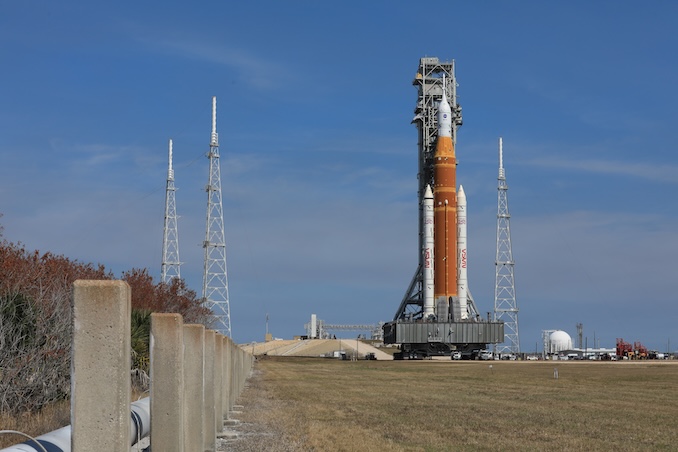
A 23-Million-Pound Journey in Reverse
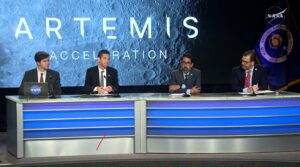
In a scene that encapsulates both the grandeur and the frustration of the Artemis program, NASA began hauling its 322-foot-tall Space Launch System rocket off the launch pad Wednesday morning, reversing the journey it made to Launch Complex 39B just weeks ago. The 4-mile trip back to the Vehicle Assembly Building — a combined weight of 23.6 million pounds moving atop an Apollo-era crawler-transporter — was expected to take 10 to 12 hours.
The rollback was ordered after engineers discovered they could not repressurize the helium system on the rocket's upper stage, known as the Interim Cryogenic Propulsion Stage (ICPS). Pressurized helium is critical to the rocket's operation — it pushes propellants to the engine for ignition, purges fuel lines, and pressurizes tanks. Without a functioning helium system, the SLS cannot fly.
The problem surfaced after what should have been a triumphant moment. NASA had just completed a successful second wet dress rehearsal — a full fueling test that loaded the rocket with more than 750,000 gallons of liquid oxygen and hydrogen — resolving the hydrogen leaks that had plagued the first attempt. With the second test going smoothly, managers targeted March 6 for launch. The astronauts had already entered pre-flight medical quarantine.
Echoes of Artemis 1
The helium issue carries uncomfortable echoes of the Artemis 1 mission in 2022, when a similar helium valve malfunction was among several problems that delayed the uncrewed test flight repeatedly before it finally launched in November of that year. NASA Administrator Jared Isaacman acknowledged the parallel, noting that the valve could be the culprit again "though corrective actions were taken to minimize reoccurrence on Artemis 2."
Other potential causes include problems with a filter in an umbilical connected to the ICPS or issues with a quick-disconnect fitting. The rollback was necessary because engineers simply cannot access the upper stage components while the rocket sits on the pad. Inside the VAB, multiple work platforms can be deployed around the vehicle, providing access to virtually the entire 322-foot stack.
Along with diagnosing and repairing the helium system, engineers will use the VAB visit to replace limited-life batteries in both the SLS's flight termination (self-destruct) system and the ICPS. These batteries have shelf lives that don't accommodate indefinite delays, adding another maintenance task to the already crowded troubleshooting timeline.

A Mission Delayed Again and Again
Artemis 2 was originally conceived as a 2024 mission. It has been pushed back multiple times as NASA worked through technical issues, budget constraints, and the inherent complexity of preparing a largely new rocket and spacecraft system for human spaceflight. The current crew — commander Reid Wiseman, pilot Victor Glover, mission specialist Christina Koch, and Canadian Space Agency astronaut Jeremy Hansen — have been training for this mission for years.
The most recent delay trajectory tells the story. NASA rolled the rocket to the pad in mid-January, targeting a February 6 launch. Hydrogen leaks during the first wet dress rehearsal pushed that to March. The successful second fueling test appeared to clear the way for a March 6 launch, only for the helium problem to emerge. Now the earliest possibility is April 1, with additional windows on April 3, 4, 5, and 6.
Launch windows for Artemis missions are constrained by the ever-changing positions of the Earth and Moon, lighting requirements, and other mission-specific variables. Only a handful of opportunities exist each month, meaning any delay that pushes past a given window results in a minimum wait of several weeks for the next opportunity.
Isaacman's Message of Persistence
NASA Administrator Isaacman, who took the helm of the agency with a mandate to accelerate the Artemis program, struck a tone of determination mixed with historical perspective. "I understand people are disappointed by this development," he wrote in a post on X. "That disappointment is felt most by the team at NASA, who have been working tirelessly to prepare for this great endeavor."
He drew explicit parallels to the Apollo era: "During the 1960s, when NASA achieved what most thought was impossible, and what has never been repeated since, there were many setbacks." The comparison is apt but also pointed — the Apollo program overcame its setbacks through a combination of political will, unlimited budgets, and an urgency driven by Cold War competition. Whether the Artemis program enjoys similar support remains an ongoing question.
The crew has left medical quarantine to await developments. When a new launch date is firm, they'll restart the quarantine process, fly to Kennedy Space Center, and begin launch preparations anew. It's a testament to astronaut patience that this cycle of preparation, delay, and restart is treated as routine rather than extraordinary.

What the Artemis 2 Mission Will Accomplish
When it does fly, Artemis 2 will send four astronauts on a roughly 10-day journey around the far side of the Moon and back — the first crewed lunar mission since Apollo 17 in 1972. The flight is designed as a comprehensive test of the Orion spacecraft's life support systems, navigation, and communication capabilities in the deep space environment.
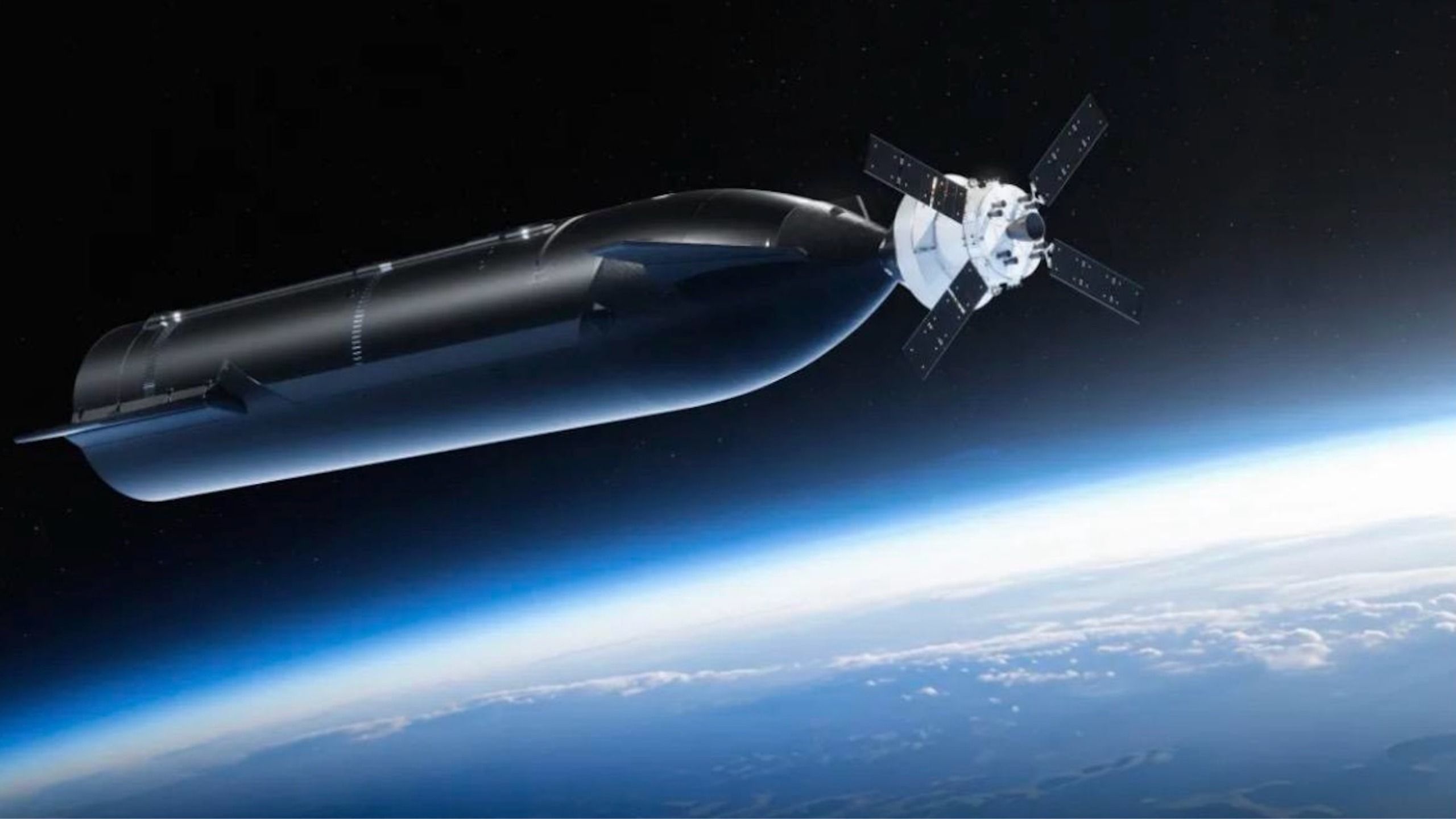
The mission does not include a lunar landing. That milestone is planned for Artemis 3, currently targeted for 2028, which will use SpaceX's Starship as a lunar lander. Artemis 2's success is a prerequisite for that more ambitious mission, as it will validate the systems that must work flawlessly to keep astronauts alive during an extended lunar sortie.
For now, the SLS sits in the VAB once again, surrounded by work platforms and engineers diagnosing a helium system that worked perfectly during testing — and then, inexplicably, didn't. The Moon waits.
This article is based on reporting by Spaceflight Now. Read the original article.
Originally published on spaceflightnow.com