New Glenn reached space, but not the right orbit
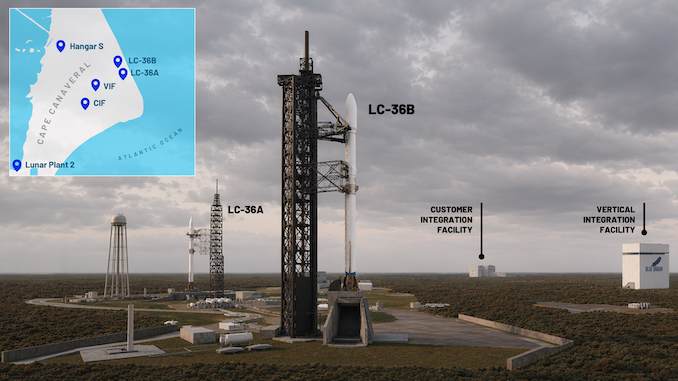
Blue Origin’s New Glenn rocket suffered a malfunction on its third flight, leaving AST SpaceMobile’s BlueBird 7 satellite in an off-nominal orbit that the customer says is too low to recover using the spacecraft’s onboard propulsion. The launch took place April 19 from Cape Canaveral, and the satellite did separate and power on, but the mission failed to place it into its planned operational orbit.
The setback lands at an awkward moment for Blue Origin. New Glenn is meant to become a major competitor in the heavy-lift launch market, and the company has been working to build confidence in the rocket and raise its flight rate. Instead, its third mission ended with an upper-stage issue that turned a nominal deployment into a lost spacecraft.
What went wrong
BlueBird 7 was supposed to be deployed into a 460-kilometer circular orbit at 49.4 degrees inclination, following a second burn of New Glenn’s upper-stage BE-3U engines. But after Blue Origin ended its webcast following the successful landing of the first stage, the company did not provide updates when the second burn and payload deployment were expected to occur.
About an hour after the scheduled separation time, Blue Origin confirmed on social media that the satellite had separated and powered on, while acknowledging that it had been placed into an off-nominal orbit. Tracking data cited in the source text showed the upper stage and payload in an initial parking orbit of 154 by 494 kilometers at 36.1 degrees inclination.
AST SpaceMobile later said the altitude was too low for the satellite’s electric propulsion system to recover from and that BlueBird 7 would deorbit. The company added that the cost of the satellite is expected to be recovered under its insurance policy.
Why this matters for Blue Origin
The result is a meaningful failure even though the first stage landed successfully and the payload physically separated. Launch providers are ultimately judged on delivery to the contracted orbit, and on that measure this mission did not succeed.
For Blue Origin, the timing is important. A heavy-lift launcher moving from demonstration into routine service needs a record of reliable upper-stage performance. Customers can tolerate delays and even development stumbles early on, but confidence becomes harder to build if orbital insertion itself becomes uncertain. The upper stage is the part of the rocket that finishes the job, and this mission suggests that work remains before New Glenn can claim operational consistency.
The customer impact and broader signal
AST SpaceMobile framed the immediate financial blow as manageable because of insurance, but a lost satellite still affects timelines, deployment plans, and confidence. In satellite constellations and sequential space programs, one failed insertion is rarely isolated. It can alter scheduling, fleet planning, and investor expectations.
The mission also shows how quickly launch narratives can split. Blue Origin achieved a visible first-stage recovery, a milestone that carries technical and symbolic weight. But the upper-stage anomaly overshadowed it because customers buy mission completion, not partial success.
New Glenn remains a strategically important vehicle in a launch market that benefits from more heavy-lift capacity and more competition. That makes the failure consequential beyond one mission. Blue Origin now has to explain the malfunction, demonstrate corrective action, and re-establish trust that the rocket can not only fly, but finish.
This article is based on reporting by SpaceNews. Read the original article.
Originally published on spacenews.com