Water may matter for habitability in a deeper way
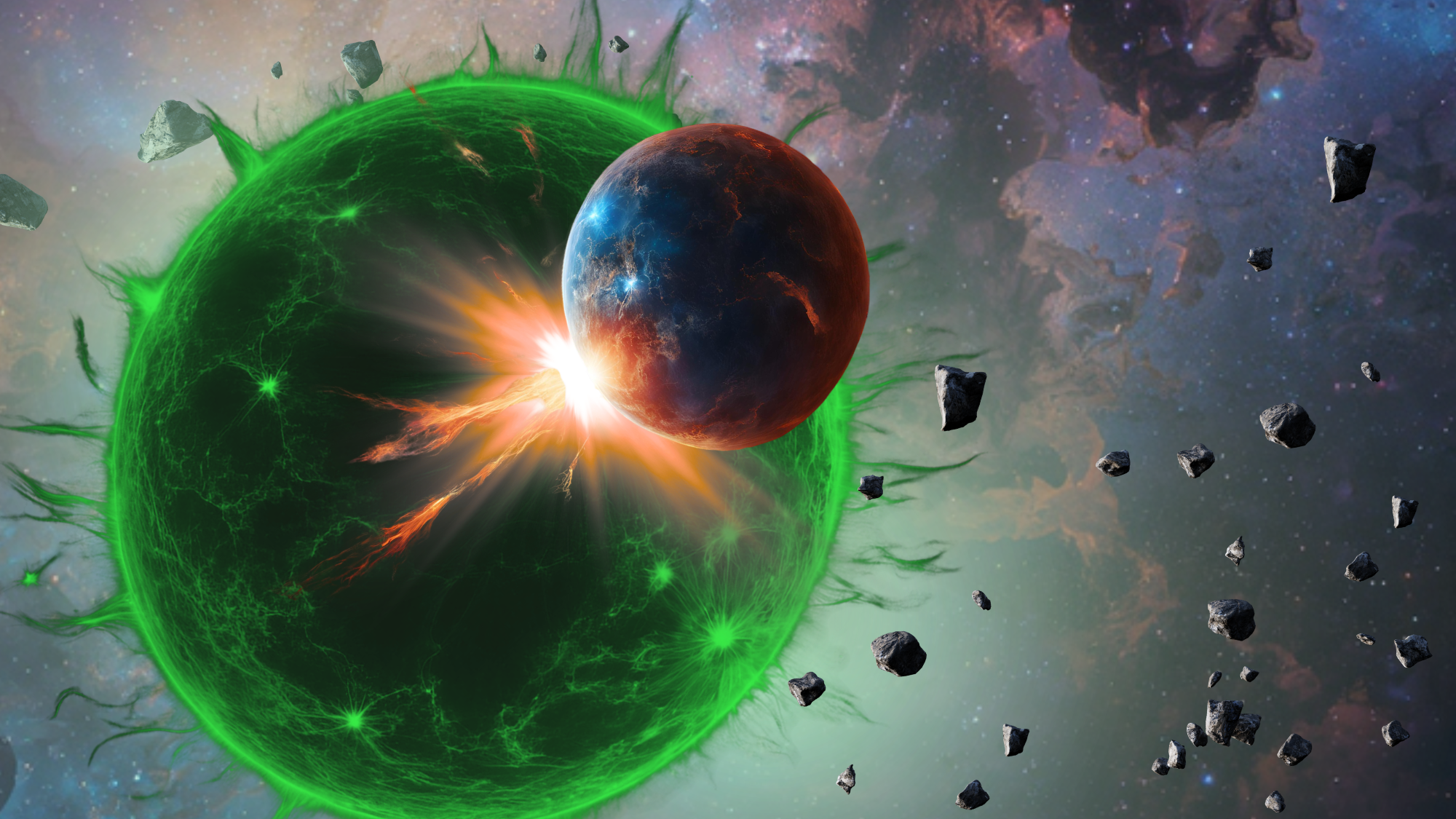
Exoplanet research often treats liquid water as the baseline requirement for life, but a new study argues that the quantity of water may be just as important as its presence. According to research highlighted in The Planetary Science Journal, arid terrestrial planets may not be able to maintain the carbonate-silicate cycle that stabilizes climate on Earth. Without enough water to support that process, some apparently promising worlds could slide into persistent greenhouse conditions even if they orbit within the conventional habitable zone.
The implication is significant for one of astronomy’s most common shortcuts. Being in a habitable zone does not automatically make a planet habitable. If rainfall and surface water are too scarce, the geologic thermostat that removes carbon dioxide from the atmosphere may fail.
The climate logic behind the claim
On Earth, the carbonate-silicate cycle plays a central role in long-term climate regulation. Water vapor and carbon dioxide combine to form carbonic acid, which makes rain slightly acidic. Over geologic timescales, that rain drives weathering of silicate rocks, a process that helps remove carbon from the atmosphere. Volcanic outgassing adds carbon dioxide back. The balance between those processes acts as a stabilizer.
The study’s central warning is that arid planets may not have enough surface water for that balance to hold. If silicate weathering weakens because rainfall is too limited, volcanic outgassing can dominate, allowing atmospheric carbon dioxide to accumulate. That, in turn, can push a planet toward a greenhouse state that becomes increasingly difficult to reverse.
In that framework, water is not merely the solvent life needs. It is an active ingredient in climate self-regulation.
Why Venus matters to the argument
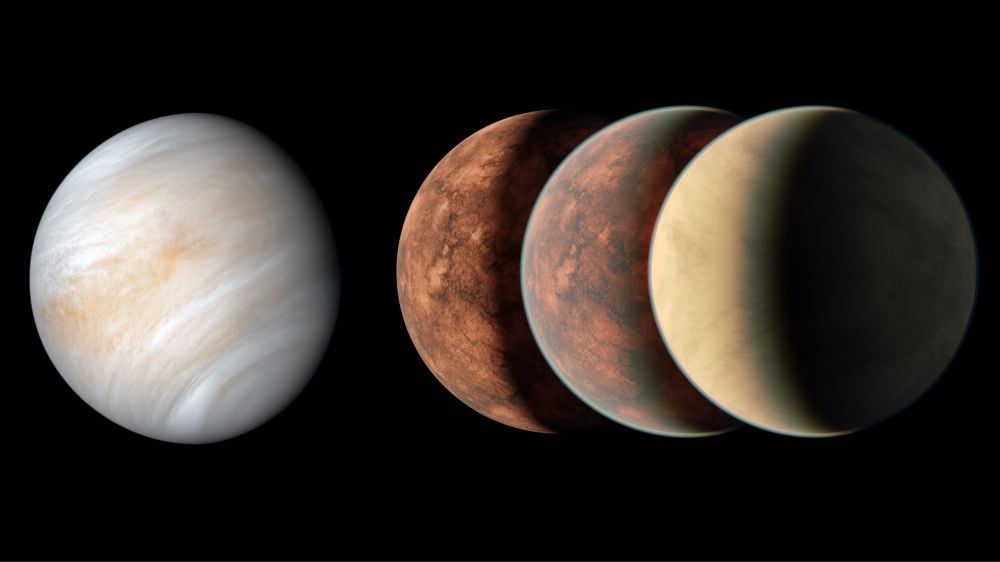
The researchers explicitly connect the idea to Venus. The source text suggests that insufficient water may have helped prevent a stable carbon cycle there, contributing to the runaway greenhouse conditions that now define the planet. Venus is often invoked as a cautionary example in planetary science, but this study gives that comparison a more specific mechanism tied to aridity and climate feedbacks.
That does not mean every dry exoplanet is destined to become a Venus analog. The point is more limited and more important: arid worlds may have a narrower path to long-term habitability than previously assumed. Even if their temperatures initially allow for some surface liquid water, too little water overall may prevent the kind of cycling needed to keep conditions stable over millions or billions of years.
A challenge for habitable-zone optimism
The search for habitable exoplanets has necessarily relied on broad filters. Astronomers start with distance from a star because it is measurable and because it strongly affects the chance of liquid water. But those filters can also create misleading optimism. A planet can occupy the right orbital region while lacking the environmental systems that make long-term habitability plausible.
This study sharpens that concern. It suggests that some worlds now considered interesting targets may, in reality, be poor candidates for life if their water inventories are too low. That is especially relevant because arid terrestrial planets may be common, making them tempting objects for follow-up observation.
In other words, the habitable zone may be better thought of as a necessary but incomplete test. Water abundance, surface cycling, and geologic feedbacks may need to be added to the checklist.

What this changes for future observations
The most immediate consequence is interpretive. Astronomers may need to be more cautious when presenting dry, temperate exoplanets as potentially habitable. The next generation of observations will have to ask not only whether water exists, but whether enough of it is available to support a functioning climate feedback system.
That is a difficult question. Water inventories, surface conditions, and weathering rates are far harder to infer at interstellar distances than orbital position. Even so, the study offers a useful conceptual upgrade. It reminds researchers that habitability is an ecological and geochemical condition, not simply a thermal one.
For readers tracking the science of life beyond Earth, the takeaway is clear. A planet can be in the right place and still fail the long game. If the new work holds up, water-poor worlds may look habitable at first glance while lacking the internal climate machinery that makes a biosphere possible over deep time.
This article is based on reporting by Universe Today. Read the original article.
Originally published on universetoday.com