A moon impact that matters mostly because it should not be routine
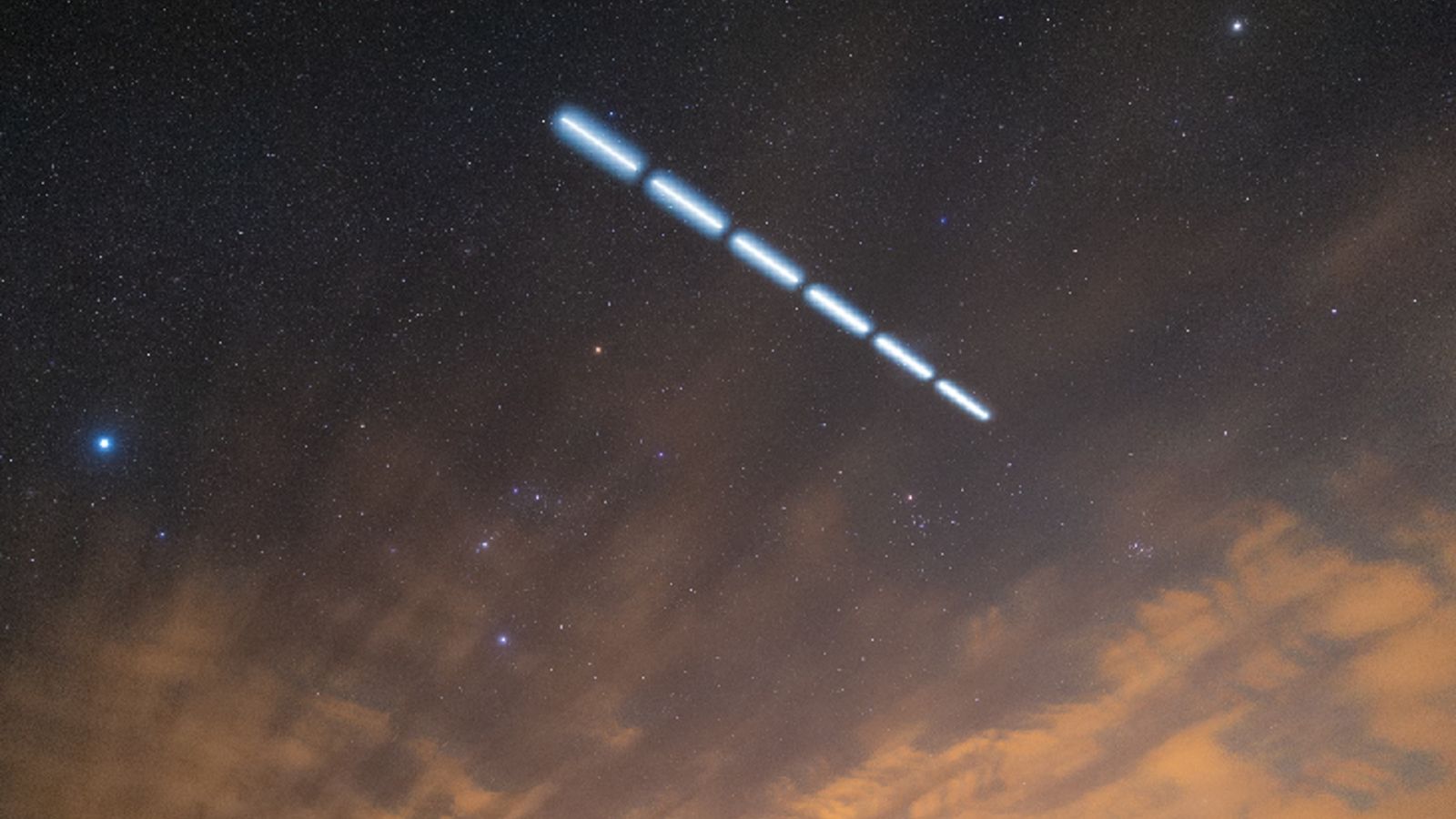
A used SpaceX Falcon 9 upper stage is expected to hit the moon this summer, according to orbital calculations cited in a new report by astronomer Bill Gray. The object poses no danger to people or active spacecraft, and the likely impact could even create a fresh crater of scientific interest. But the larger significance lies elsewhere: it is another reminder that hardware sent beyond low Earth orbit can remain adrift for long periods with limited disposal planning.
The predicted collision is expected on August 5 at about 2:44 a.m. EDT, near the Einstein crater region on the boundary between the moon’s near side and far side. The object is a 45-foot-tall Falcon 9 upper stage launched in early 2025 to send two lunar missions into the Earth-moon system: Firefly Aerospace’s Blue Ghost lander, which later touched down successfully on the moon, and ispace’s Hakuto-R lander, which subsequently lost contact with Earth and crash-landed.
Since then, the rocket stage has continued tumbling through cislunar space. Gray reports that asteroid surveys observed it more than 1,000 times over the past year, allowing him to model its path and make a high-confidence prediction for impact timing and location.
Why this is not a hazard but still a problem
On a purely operational level, the event is minor. The moon is constantly struck by natural debris, and a spent rocket stage does not threaten inhabited systems on the lunar surface or spacecraft in service, according to the report. If it leaves a visible scar, that crater may later offer researchers a useful new point of comparison for impact studies.
Yet the episode underscores a persistent weakness in how space activity is governed once missions leave familiar orbital lanes. Hardware that is no longer useful can remain in poorly managed trajectories for months or years. The result is not an immediate crisis, but a growing pattern of casual disposal in an environment where traffic is increasing.
That concern is sharper now than it would have been a decade ago. The Earth-moon system is no longer a sparsely used destination touched only occasionally by national space agencies. Commercial landers, government missions, relay infrastructure, and future logistics networks are all expanding. As the number of actors rises, the cost of treating leftover hardware as an afterthought rises too.
A cislunar traffic problem in slow motion
The most important part of this story is not the impact site. It is the context around the object’s year-long drift. The upper stage stayed roughly at lunar distance while tumbling through the Earth-moon system, turning into an inert piece of deep-space debris that required external tracking rather than active management by the launch provider.
That kind of drift is awkward because cislunar space does not fit neatly into the older debris frameworks built around Earth orbit. It is broader, more dynamic, and less continuously monitored. Tracking is harder, ownership questions are less visible to the public, and disposal norms remain comparatively immature.
In practical terms, that means the system can tolerate sloppy outcomes until activity becomes dense enough that tolerance disappears. Space governance often develops that way: first through custom, then through warning incidents, and only later through stronger standards. A spent stage hitting the moon is not a disaster. It is the kind of low-stakes event that signals the need for more disciplined expectations before the stakes rise.
What disposal discipline could look like
The report frames the incident as evidence of carelessness in how leftover hardware is handled. That criticism is less about one isolated body striking the moon than about the absence of a clearer end-of-mission norm. For future lunar and cislunar missions, operators may increasingly face pressure to show how upper stages will be retired, whether by directed disposal, stable graveyard trajectories, or other controlled outcomes.
That would align cislunar operations more closely with the logic already familiar in congested Earth orbits, where passivation, deorbit planning, and collision avoidance are no longer niche concerns. The difference is that in cislunar space, the regulatory structure and common expectations are still taking shape.
Scientific curiosity and policy pressure can coexist
The likely moon strike may still attract scientific attention if telescopes or later missions can locate the new crater. Artificial impacts can reveal useful information about ejecta patterns and surface response. But that limited upside should not obscure the operational lesson.
The moon is becoming a busier destination. Missions now carry national prestige, commercial investment, and future infrastructure ambitions. In that setting, debris discipline is no longer an abstract sustainability slogan. It is part of whether the cislunar environment remains predictable enough to support long-term activity.
This impact will probably pass without operational consequence. Even so, it is a useful warning shot. As more launch providers and lunar operators push outward, the expectation cannot simply be to leave used hardware drifting until gravity decides the outcome. The technical capability to reach the moon has spread rapidly. The norms for cleaning up after those missions now need to catch up.
This article is based on reporting by Live Science. Read the original article.

Originally published on livescience.com