Disaster reviews are only useful if their lessons endure
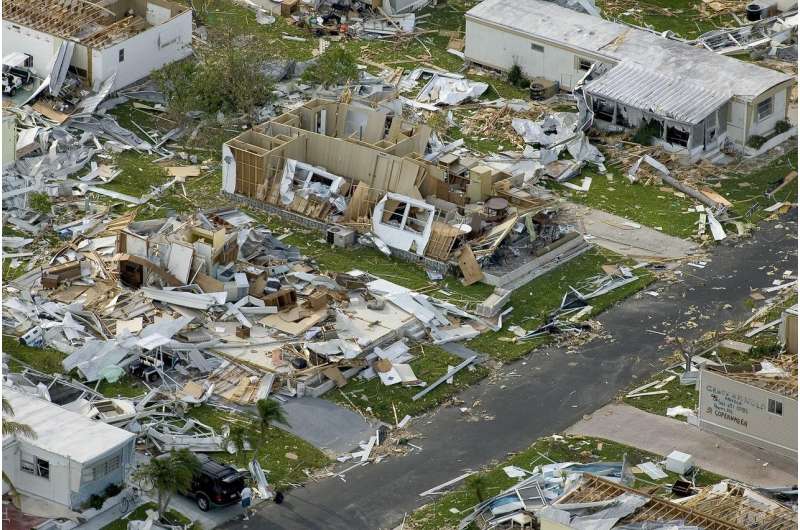
Queensland’s early storm season has again put disaster preparedness and response under scrutiny. Severe storms and flooding have already affected communities across the state, renewing a familiar cycle: emergency services debrief, governments commission inquiries and researchers assess what happened.
Those reviews are intended to improve the next response. But a University of Queensland analysis argues that the recurring problem is often not a failure to identify weaknesses. It is a failure to retain and apply what previous events have already taught.
The result is what researchers describe as “institutional amnesia”: public institutions can lose practical knowledge as staff, priorities and organizational structures change. In disaster management, that can mean old problems return even after they have been documented and addressed.
Why lessons are lost
According to the analysis, disaster-management agencies do learn from major events and can introduce significant changes afterward. The harder task is building institutional memory that lasts beyond the people and arrangements in place immediately after a crisis.
Staff turnover is one source of vulnerability. Experienced employees can take detailed operational knowledge with them when they leave. Reorganizations can move functions, personnel and resources in ways that disrupt established working relationships. Even extensive knowledge-management systems may not solve the problem if they store records without the context that later staff need to interpret and use them.
That distinction matters. A report may record a recommendation, but a future team may still lack the background needed to understand why a decision was made, what trade-offs were considered or how a lesson applied in practice. Information can survive while usable organizational memory fades.

The cost of repeating the same work
When institutional memory weakens, public servants may spend time searching for information that once existed or revisiting problems already considered. During a new emergency, that lost time can make it harder for agencies to draw on prior experience quickly.
The analysis identifies repeated concerns that can appear across disaster reviews, including fragmented decision-making, weak communication between organizations and insufficient engagement with communities. Their recurrence does not necessarily mean agencies failed to notice the issues in the first place. It can indicate that knowledge was not carried forward effectively as institutions evolved.
This framing shifts the question after a storm or flood. Rather than asking only what succeeded and what failed, agencies also need to consider how insights will remain accessible and meaningful for the people responding to future events.
Building memory into preparedness
Disaster preparedness is often discussed in terms of equipment, forecasting, emergency plans and immediate response capacity. The University of Queensland analysis suggests that preserving organizational knowledge should be treated as another core element of readiness.
That requires more than producing another post-event review. It means ensuring that lessons can be found, understood and applied after staff change and government structures are reorganized. It also means retaining the local and institutional context that turns a written finding into practical guidance.
Queensland’s storm season will eventually lead to another round of assessments. The enduring test will be whether those assessments become part of a living institutional memory—or simply another set of documents that future responders have to rediscover.
This article is based on reporting by Phys.org. Read the original article.

Originally published on phys.org