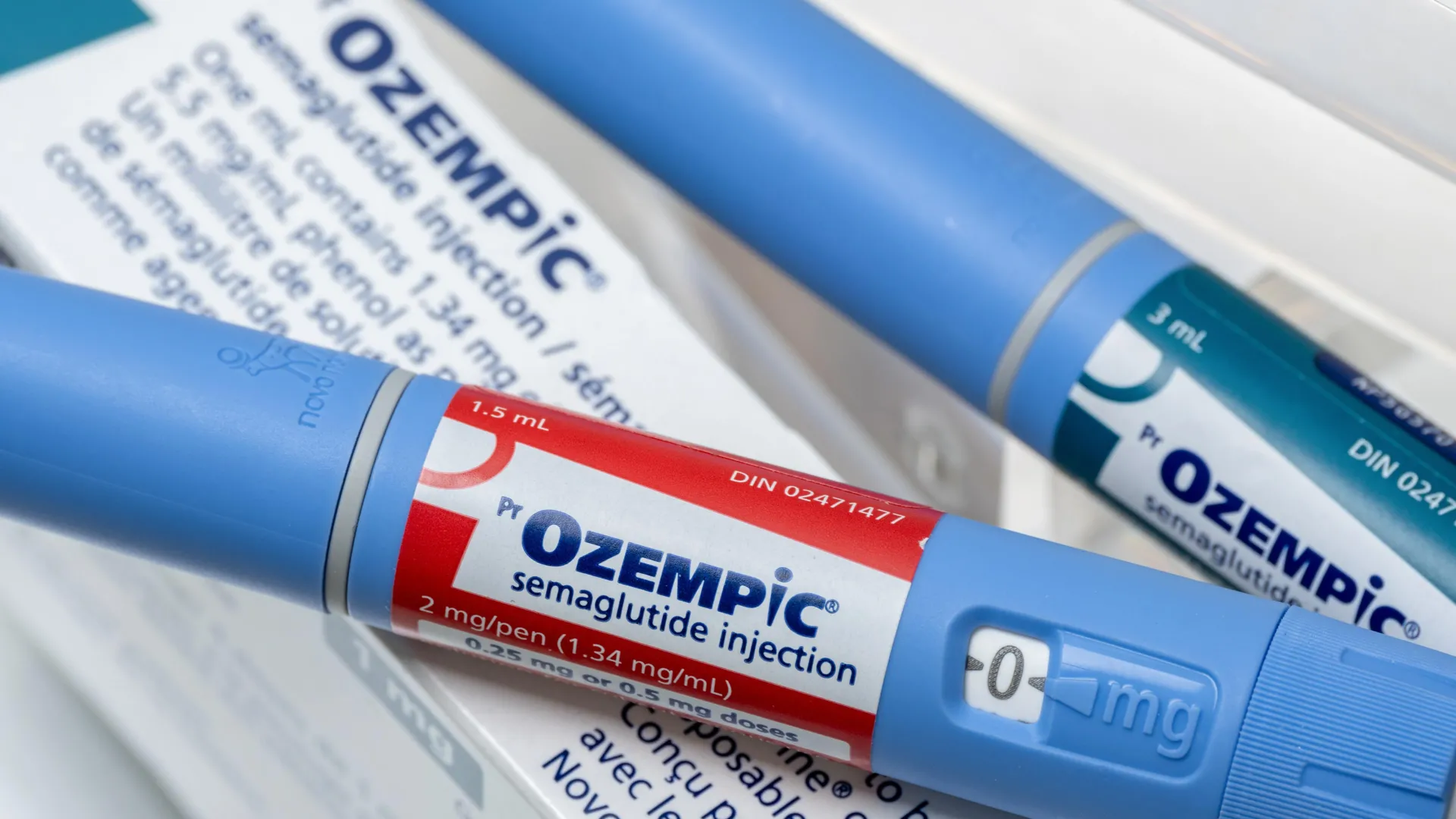
Popular medicines used for diabetes and weight management, including Ozempic, Wegovy, Mounjaro and Zepbound, may be associated with a small increase in the risk of a rare eye condition that can cause sudden and potentially permanent vision loss, according to a large Rutgers-led study summarized by ScienceDaily.
The condition is ischemic optic neuropathy, which occurs when blood flow to the optic nerve is reduced. Because the optic nerve carries visual information from the eye to the brain, damage can lead to serious visual problems. The study’s central message is one of caution and context: the condition was uncommon, the reported increase in risk was modest, and the potential consequence is nevertheless clinically important.
What the study examined
The findings were published in the Annals of Internal Medicine. Researchers analyzed information from a large database of US adults aged 18 to 65 who had Type 2 diabetes and had recently begun taking medicines to manage the condition.
The analysis focused on glucagon-like peptide-1 receptor agonists, commonly called GLP-1 drugs. Semaglutide is sold as Ozempic and Wegovy, while tirzepatide is sold as Mounjaro and Zepbound. These medicines have become widely used for blood-sugar control and weight management.
The source report says GLP-1 medicines can also reduce risks of certain cardiovascular and kidney problems. That wider clinical benefit is essential context for interpreting the new analysis. An observed safety signal does not by itself establish that every patient faces the same risk, nor does it erase the benefits that may lead a clinician to prescribe these drugs.

A rare outcome with serious consequences
Ischemic optic neuropathy is a potentially severe condition because vision loss can occur suddenly and may be permanent. The Rutgers researchers found that GLP-1 use was associated with a modest increase in the likelihood of the condition. The source describes the increase as small and emphasizes that the outcome remained rare.
Chintan Dave of the Rutgers Institute for Health, Health Care Policy and Aging Research said the finding matters because the condition can involve sudden vision loss, even though it was uncommon. That framing avoids two misleading extremes: treating a small association as proof that the medicines are broadly unsafe, or dismissing it because the event is rare.
For patients, the practical implication is not to make a medication change based on a news report alone. Diabetes and weight-management medicines are prescribed in the context of a person’s health conditions, treatment goals and alternatives. The study instead adds an issue for patients and clinicians to discuss, particularly if visual symptoms arise.
Why the finding draws attention
GLP-1 medicines are being used by millions of people, so even uncommon adverse events can merit close study. As use increases, researchers have more opportunity to investigate possible side effects across large populations and to distinguish patterns that would be difficult to see in smaller clinical studies.
The finding also arrives in a field where benefits and risks must be weighed carefully. The source notes that scientists are still investigating potential side effects as GLP-1 use becomes more widespread. Large database analyses can identify associations worthy of attention, but they do not on their own answer every question about biological cause, the circumstances that may raise risk or how risk varies among patients.
The study therefore contributes evidence rather than delivering a final verdict. It reports a modest association between GLP-1 use and ischemic optic neuropathy in the population studied: US adults aged 18 to 65 with Type 2 diabetes who had recently started treatment. That population and study design should guide how broadly the result is interpreted.

Questions for clinicians and patients
The source report does not recommend that people stop taking GLP-1 medicines. It does, however, support awareness of sudden vision changes as symptoms that deserve prompt medical attention. The seriousness of ischemic optic neuropathy is driven by the potential for significant visual loss, not by its frequency.
Patients taking semaglutide, tirzepatide or another GLP-1 medicine can ask their care team how the study applies to their circumstances. Relevant considerations may include why the drug was prescribed, the benefits it is delivering, other health conditions and the availability of alternatives. Those decisions should be individualized rather than based on a generalized impression of risk.
For clinicians and researchers, the next task is to clarify the result. Further work can test whether the association appears in other populations, examine possible mechanisms and identify whether some groups face a different level of risk. Continued safety research is particularly important when a therapeutic class reaches widespread use across more than one indication.
The broader safety picture
The report illustrates a recurring challenge in evaluating medicines used at scale. A therapy can offer meaningful benefits while also carrying uncommon but consequential risks. Responsible communication requires both parts of the picture: the condition identified in this analysis was rare, and it can cause sudden, potentially permanent vision loss.
For now, the study adds a specific signal to the ongoing evidence base around GLP-1 medicines. It should encourage informed conversations and additional research, not panic. The key finding is narrow but important: in a large study of adults with Type 2 diabetes, GLP-1 use was linked to a small increase in a rare optic-nerve condition. As these medicines continue to be used widely, understanding that balance of benefits and possible harms will remain a priority.
This article is based on reporting by Science Daily. Read the original article.

Originally published on sciencedaily.com